 Imagine going on a journey around the world to meet amazing animals in their homes. From Irish farms to Chinese bamboo forests, each place has special animals and words to name them.
- Listen to animal names in different languages.
- Learn fun facts about where animals live.
- Hear how to say words like Bó for cow in Irish or Xióng māo for panda in Chinese.
- Think about why animal names sound different around the world.
- Make flashcards to remember the words.
By the end of this lesson...
You will know animal names in Irish and other languages and understand why certain animals live where they do.
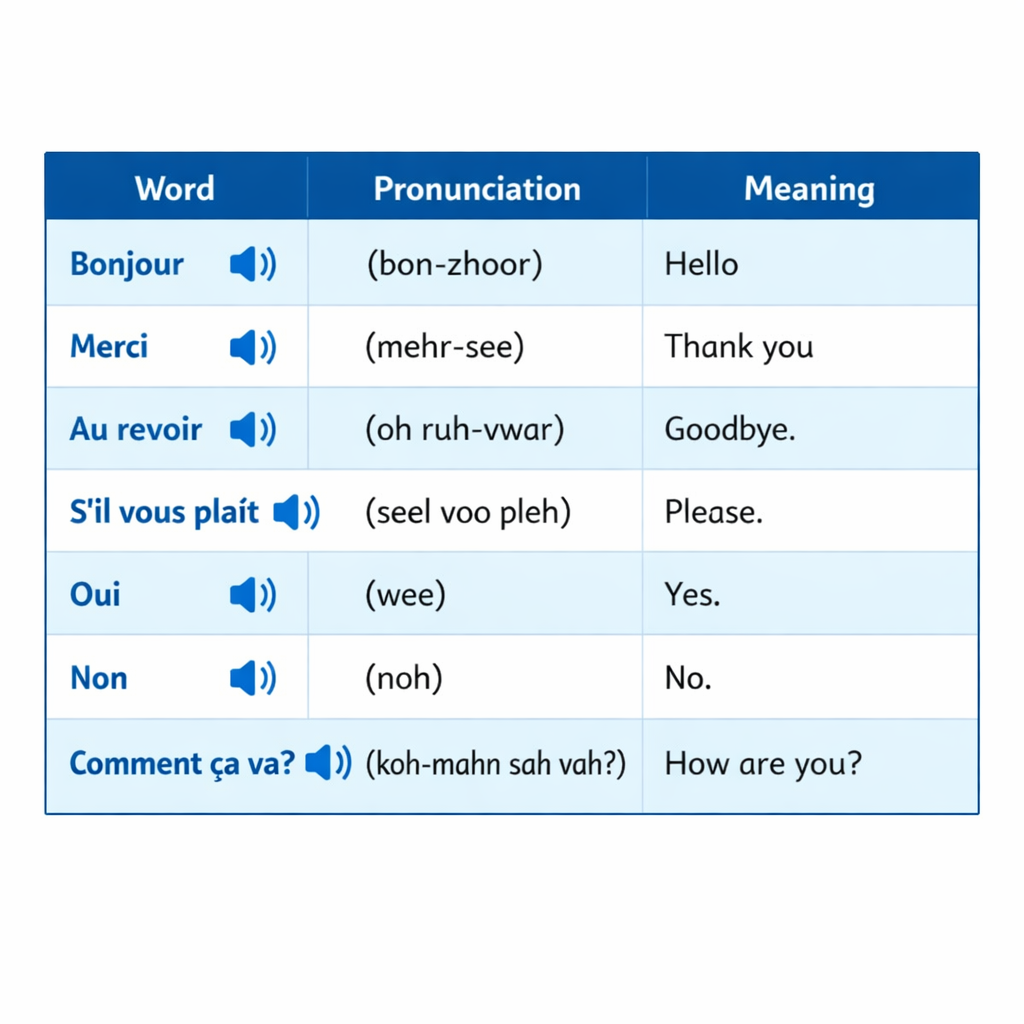 Think about your favourite animals like cat, dog, or bird. What might they sound like in other languages?
In this table, you will see six animals in English and words from other languages. Click on any word to hear how it sounds. Listen a few times and try saying the words yourself. Notice if any sound similar.
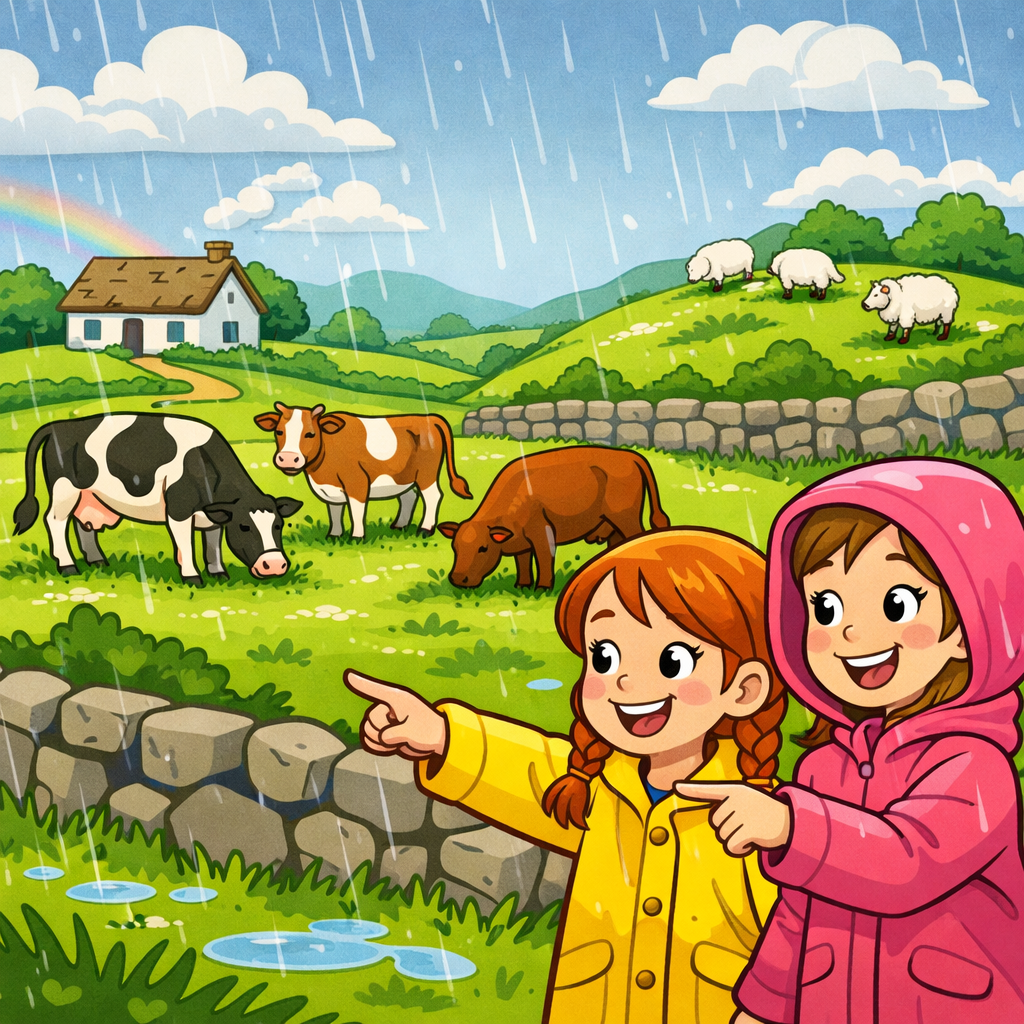 Ireland has lots of farms with animals like cows, sheep, pigs, chickens, and horses. The green fields and mild, rainy weather make grass grow well all year. This is perfect for feeding the animals.
Why so many? Ireland is one of the top countries for milk and beef. There are even more cows than people here!
Fun facts:
- Sheep live on the hilly areas and give wool for warm jumpers.
- Dairy farms make tasty butter and cheese that people enjoy everywhere.
- Farming started over 6,000 years ago with early people growing crops and raising animals.
Think about Irish words for animals, like Bó (boh) for cow. Click the word to hear how it sounds.
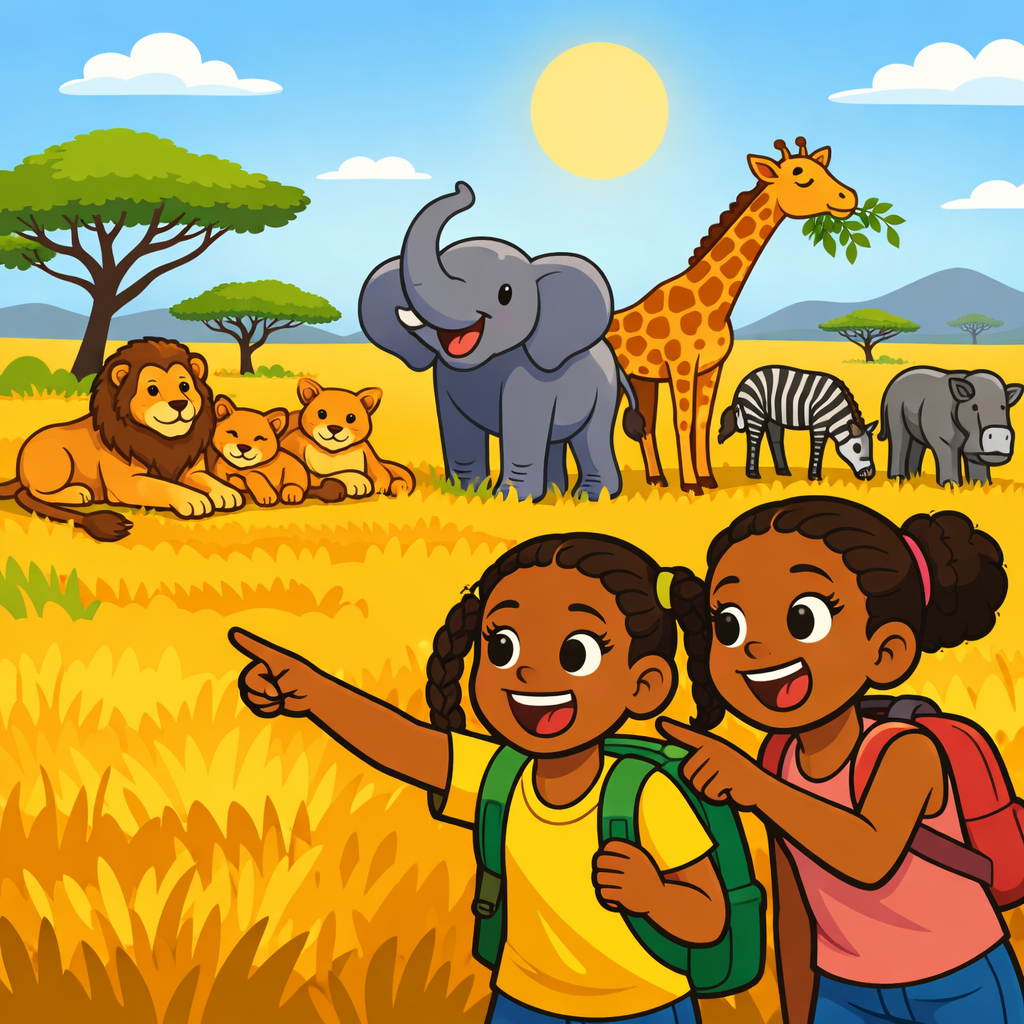 Africa has vast savannas and plains where safari animals like lions, elephants, giraffes, zebras, and rhinos roam freely. The warm climate and open grasslands provide plenty of space and food, such as grasses for zebras and leaves for giraffes.
Why so many? These lands have not changed much for thousands of years, so animals have adapted perfectly to live there together.
Fun facts:
- Lions live in groups called prides and are known as the kings of the savanna.
- Elephants are the largest land animals and use their trunks to drink and eat.
- Zebras have black and white stripes that help keep them cool and hide from predators.
- Safari tours let people see these animals in their natural homes, a tradition going back many years.
The Swahili word for lion is Simba (seem-bah). Click the word to hear how it sounds.
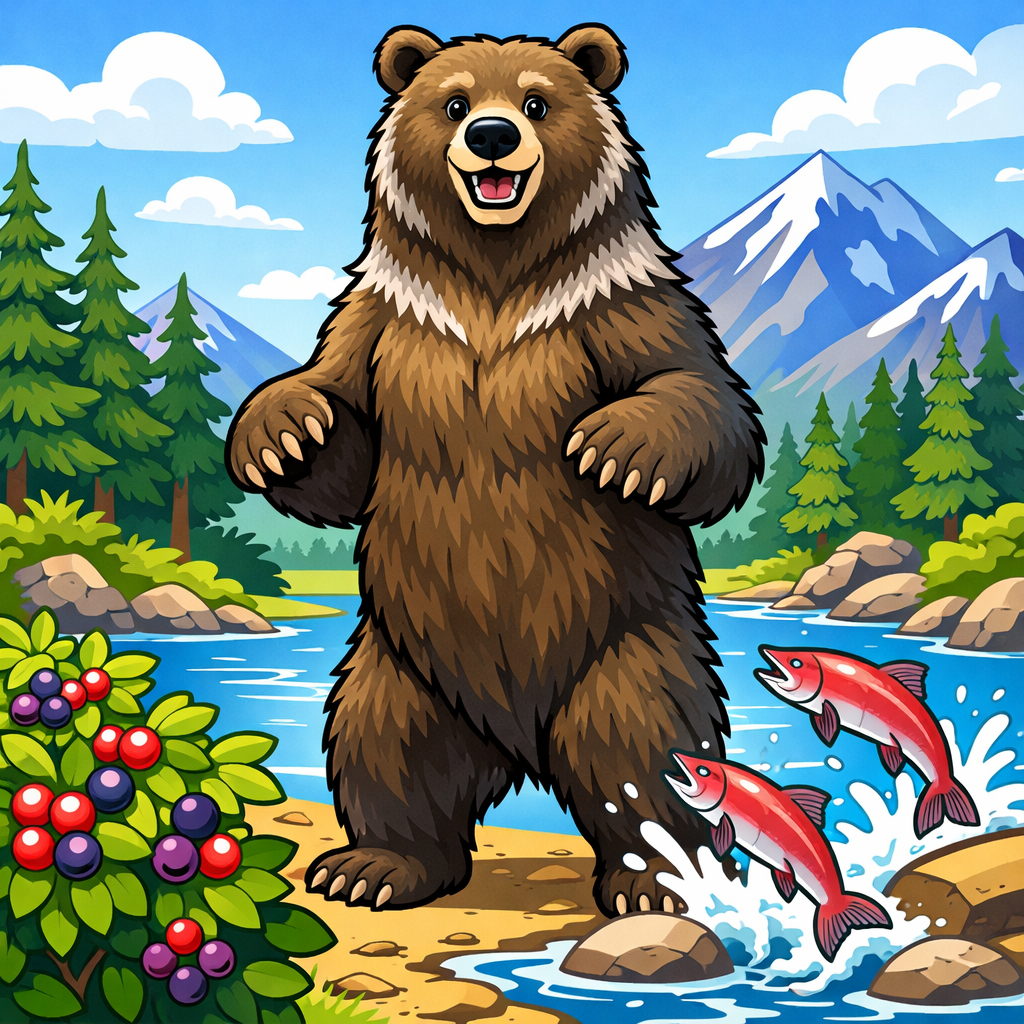 North America has huge forests, tall mountains, and fish-filled rivers where grizzly bears live. These strong bears find plenty of food like salmon, berries, roots, and small animals. The wild spaces give them room to roam.
Why so many? Vast wilderness areas in places like Alaska and the Rocky Mountains have stayed much the same for thousands of years, perfect for grizzlies.
Fun facts:
- Grizzlies can stand up to 3 metres tall and weigh as much as ten children.
- They sleep all winter in a deep rest called hibernation.
- Native peoples have shared stories about bears for generations, seeing them as powerful spirits.
- Their fur has silver tips, which is why we call them 'grizzly'.
The Ojibwe word for bear is Makwa (mock-wah). Click the word to hear how it sounds.
Unlock the full learning experience
You're previewing this lesson. Get full access to this lesson and hundreds more — each one ready to teach, with interactive activities, printable resources and pupil progress tracking built in.
This lesson is copyright of Coding Ireland 2017 - 2025. Unauthorised use, copying or distribution is not allowed.