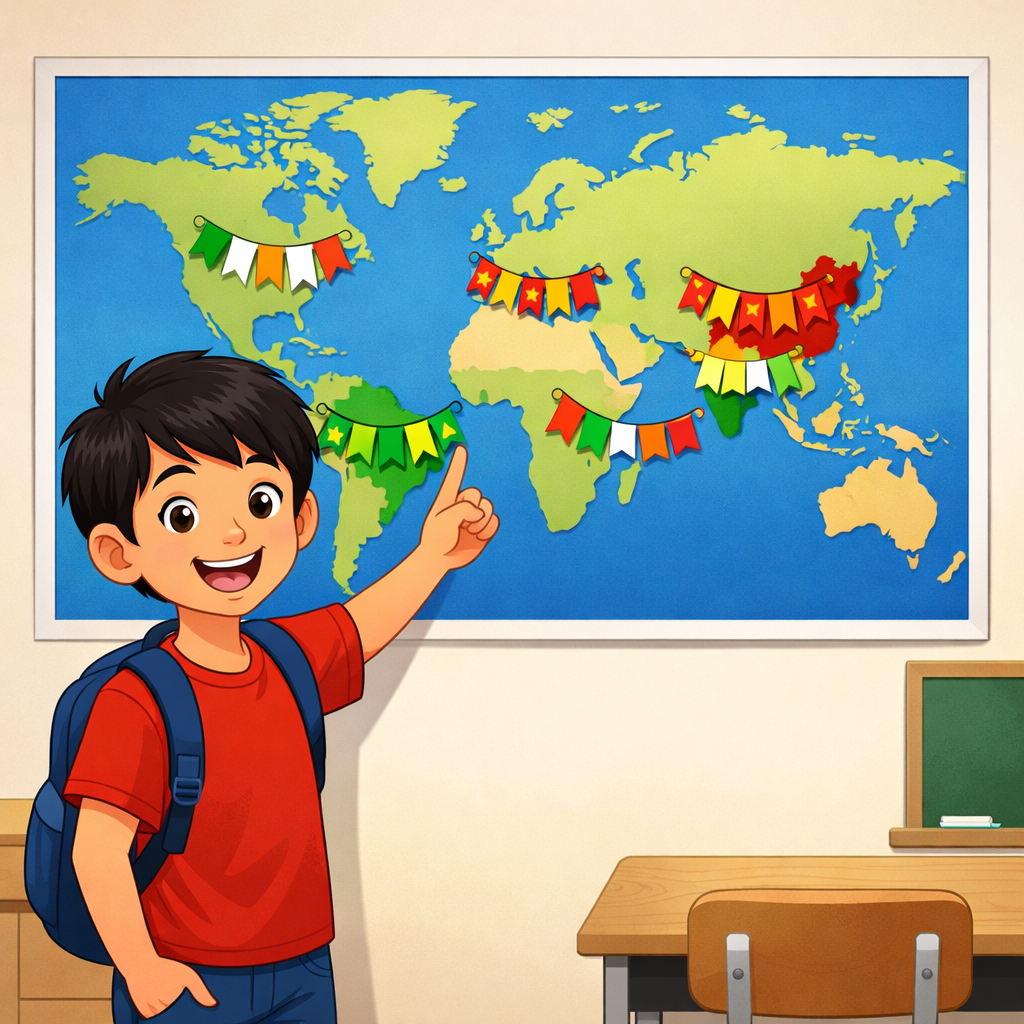
 Have you ever thought about how colours have different names in other languages? Today, we are going to explore the Irish words for colours and discover how colours play a big part in festivals around the world.
- Listen to Irish colour words and practise saying them.
- Learn about colourful festivals from Ireland, Spain, India, Brazil, China, and more.
- Match Irish colour words to their English meanings.
- Share your thoughts in a class discussion.
By the end of this lesson, you will know the Irish words for six colours and understand why colours are special in different cultures.
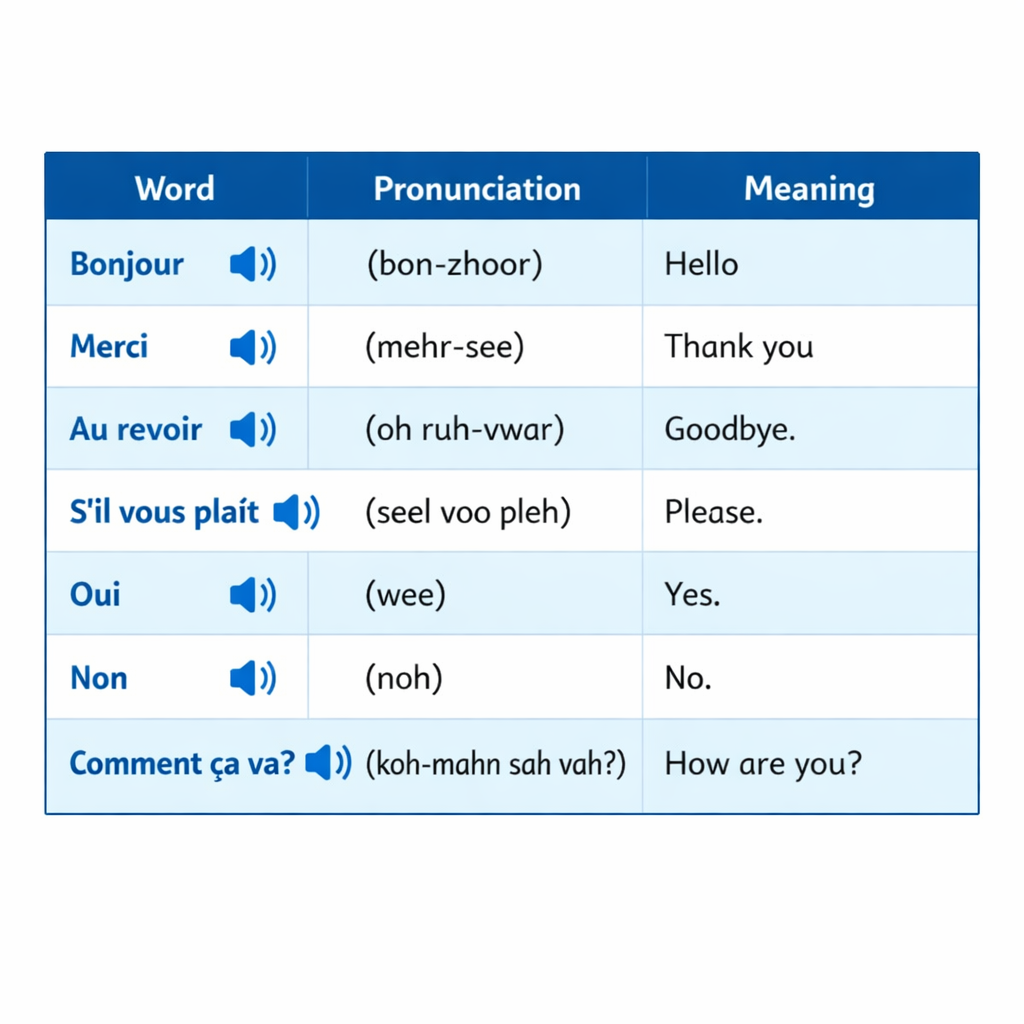 Have you ever wondered what your favourite colours are called in Irish? Think about colours like red, blue, or green. What do you think their Irish words might sound like?
In this table, you will see six colours in English and their Irish words. Click on any Irish word to hear how it sounds. Listen a few times and try saying the words yourself. This will help you get used to the new sounds.
How to Use This Activity:
Option 1: Students on Devices
- Students complete the Word Table activity on their own laptop or tablet.
- A vocabulary reference table with pronunciation. Students can click to hear words spoken.
- Walk around the room to monitor progress and assist students who need help.
Option 2: Teacher-Led (Whiteboard/Projector)
- Display the activity on your interactive whiteboard or projector.
- Go through the table together, practising pronunciation as a class. Have students repeat after the audio.
- Invite students up to interact with the board, or have them call out answers from their desks.
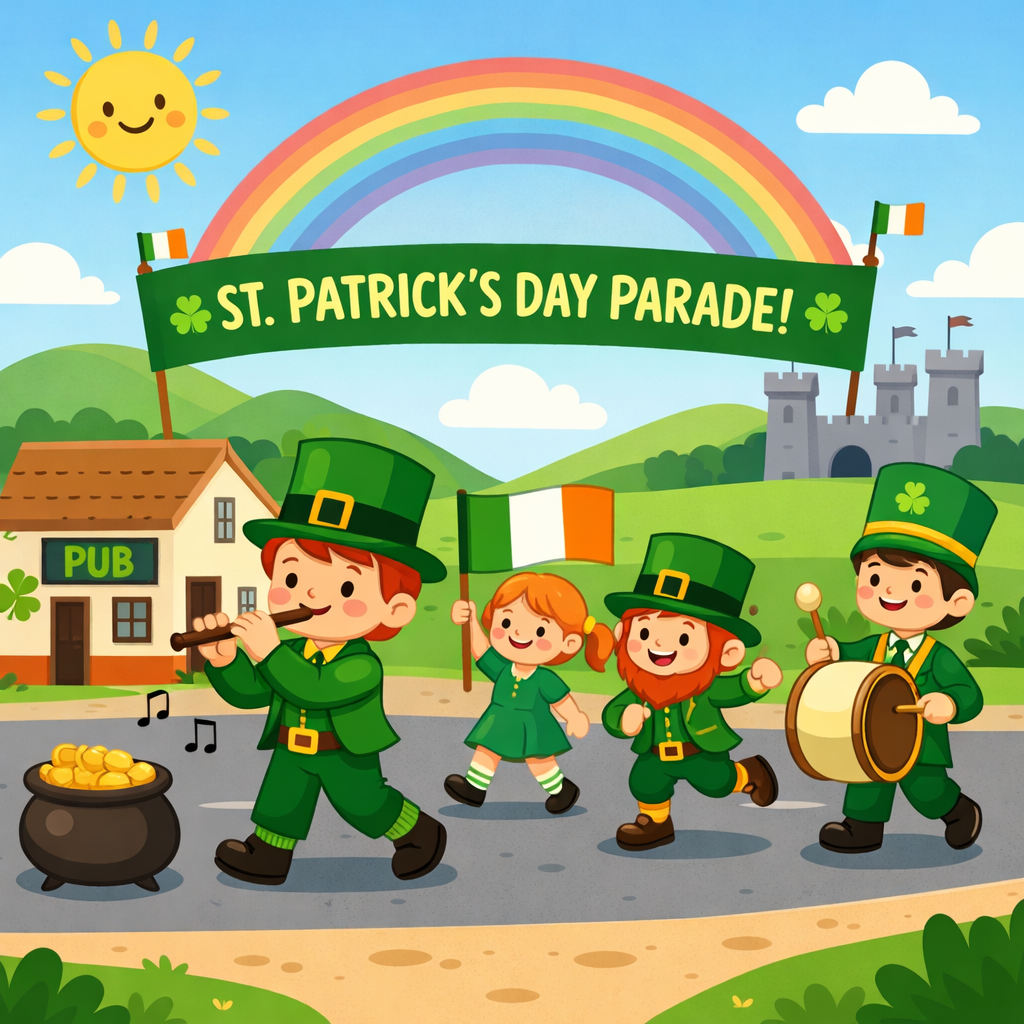 Now let's look at Ireland and St. Patrick's Day.
St. Patrick's Day happens every year on 17 March. It celebrates Saint Patrick, who lived about 1,500 years ago. He brought Christianity to Ireland and used a green shamrock plant with three leaves to help explain the Holy Trinity – the Father, the Son, and the Holy Spirit. Ireland has lots of green fields and hills, so it is called the Emerald Isle. That is why green is the main colour for St. Patrick's Day. People wear green clothes and carry shamrocks.
What do you know about St. Patrick's Day? Think about what people do to celebrate. Maybe they have parades or eat special food.
The Irish word for green is Glas glahs.
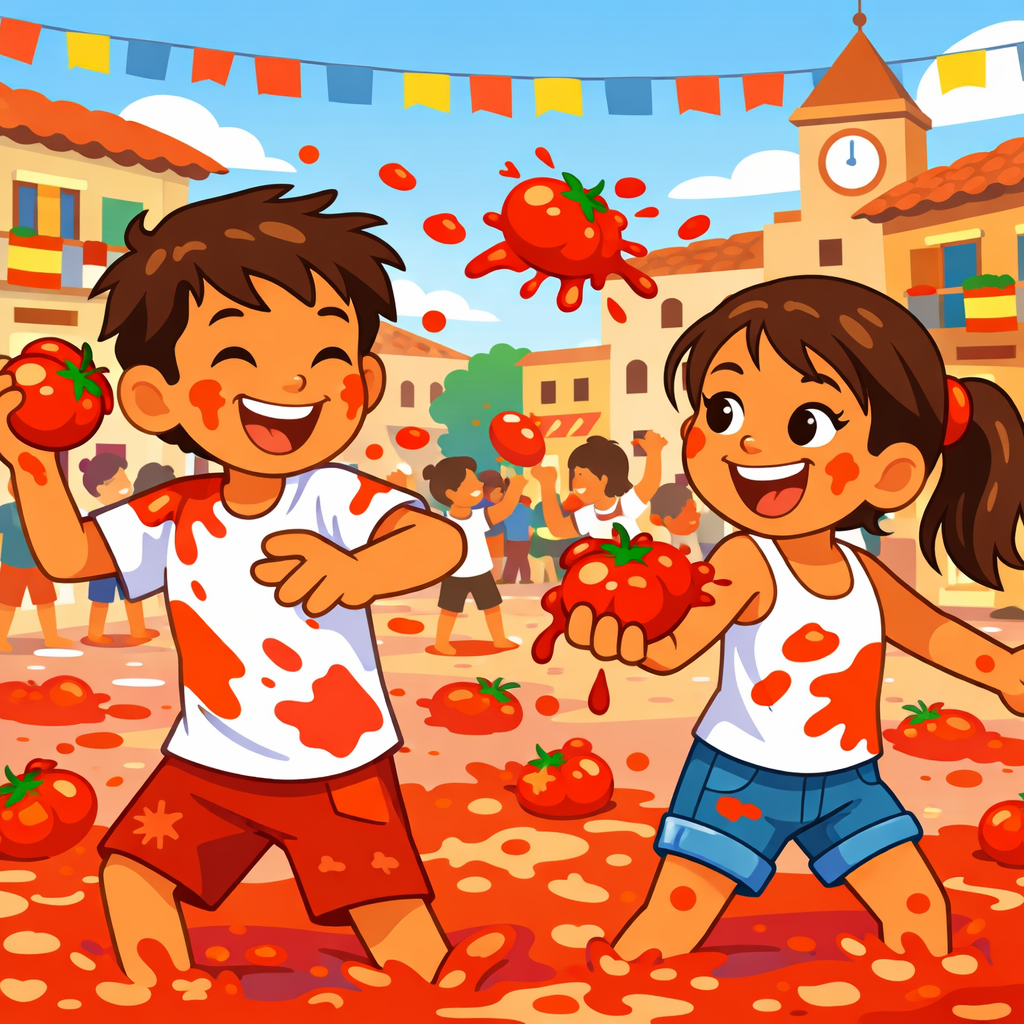 Now let's look at Spain and La Tomatina.
La Tomatina is a fun festival in the town of Buñol, near Valencia in Spain. It happens every year on the last Wednesday of August. The festival started by accident in 1944 when some young people threw tomatoes at each other during a parade. Now, over 20,000 people join in! Trucks bring thousands of ripe tomatoes to the town square, and everyone starts throwing them. By the end, the streets are covered in red tomato juice. That is why red is the main colour for La Tomatina.
What do you think it would be like to be in a big tomato fight? Would you wear old clothes?
The Spanish word for red is Rojo roh-hoh.
 Now let's look at India and Holi.
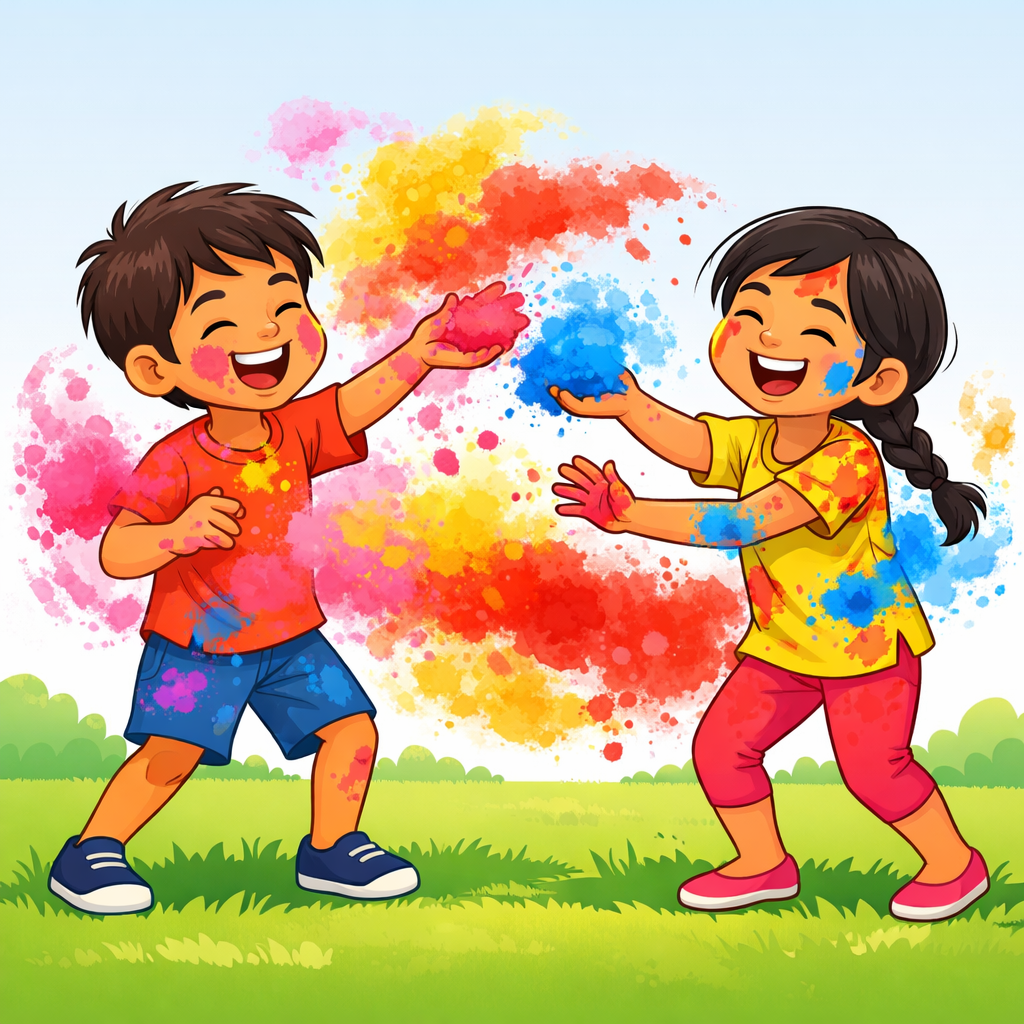
Holi is a joyful festival in India known as the Festival of Colours. It takes place in spring, around March. The festival celebrates the victory of good over evil from an old story. A kind boy named Prahlad was protected by God from his aunt Holika, who tried to harm him in a fire. Instead, Holika was burned, and Prahlad was safe. People light bonfires to remember this and then throw coloured powders and water in bright shades like pink, yellow, red, and blue. The colours stand for joy, friendship, and new beginnings. Everyone dances, sings, and shares sweets.
What do you think it would be like to play in a cloud of colours? Would you join in the fun?
The Hindi word for pink is Gulabi goo-laa-bee.
Unlock the full learning experience
You're previewing this lesson. Get full access to this lesson and hundreds more — each one ready to teach, with interactive activities, printable resources and pupil progress tracking built in.
This lesson is copyright of Coding Ireland 2017 - 2025. Unauthorised use, copying or distribution is not allowed.