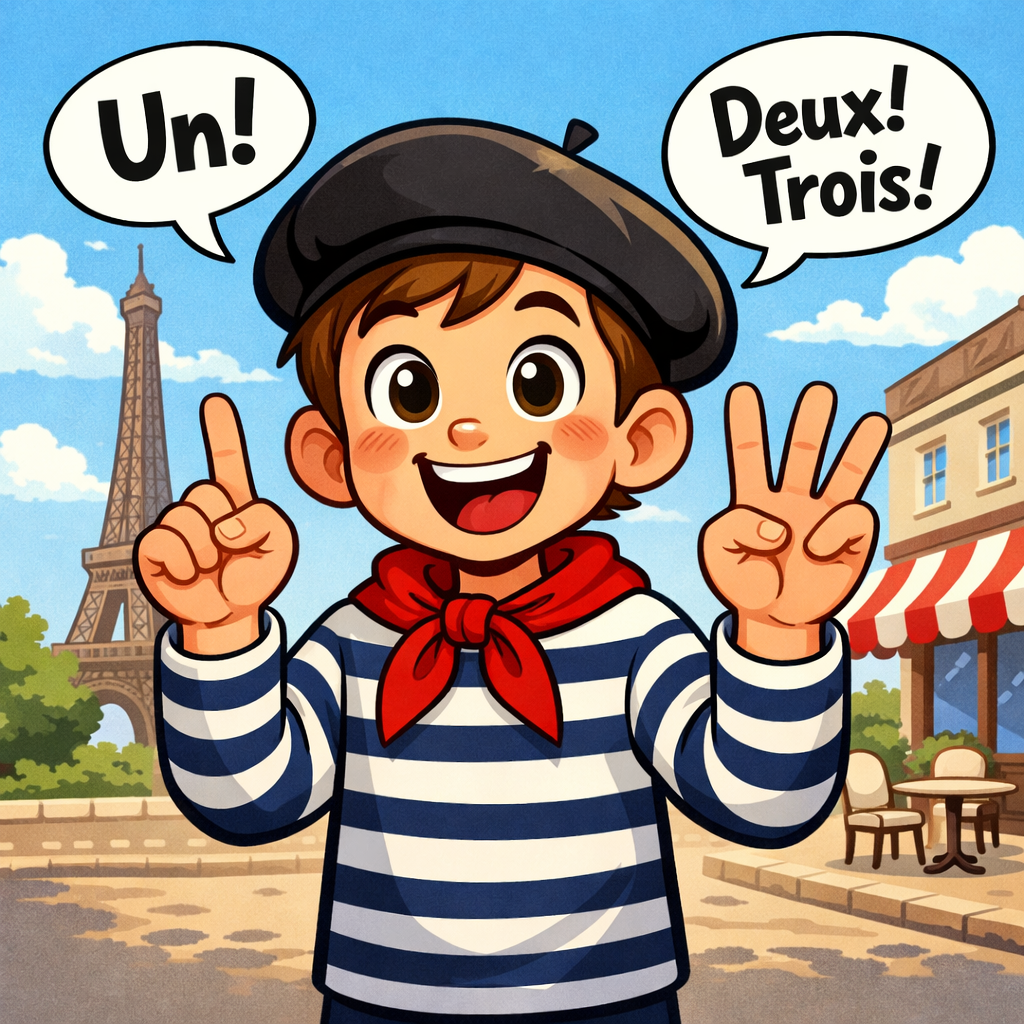
 Have you ever wondered how people in other countries say their numbers? People around the world use different words for 1, 2, 3, and so on. Today, you will discover how to count in French, Spanish, German, and Irish.
- Listen to and practise saying numbers 1-10 in these languages.
- Notice similarities and differences between the languages.
- Learn about magical numbers in Irish stories.
- Find out how different cultures use their bodies or unique systems to count.
- Play a fun spin-the-wheel game to guess numbers in different languages.
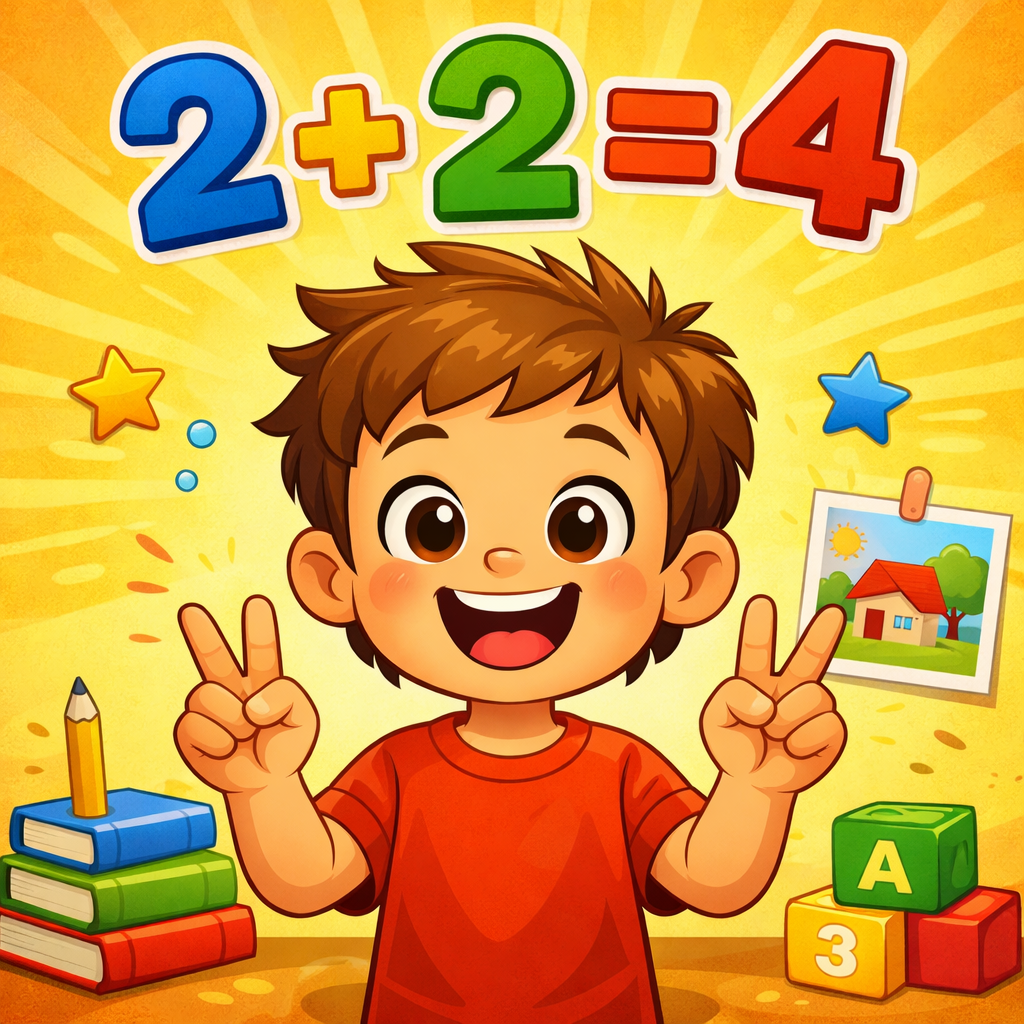 It turns out counting isn’t always as straightforward as 1, 2, 3!
Different languages use different counting systems because cultures
have relied on different parts of the body to help them keep track of numbers.
It turns out counting isn’t always as straightforward as 1, 2, 3!
Different languages use different counting systems because cultures
have relied on different parts of the body to help them keep track of numbers.
You might know that our bodies support the way we think and learn. That’s very clear when it comes to maths. For centuries, people have used their fingers to help them count.
Using the Body to Count
Across history, humans have connected their bodies to both language and mathematics. Some counting systems use only fingers. Others include thumbs, palms, or even toes. Around the world, cultures developed their own preferred methods.
As a result, number words in different languages often reflect how people traditionally counted.
The Meaning of "Digit"
Interestingly, the English word digit refers to both a number and a finger or toe. This comes from Latin, the language English borrowed it from. The Spanish word for finger, dedo, also has Latin roots.
Start by counting to 10 in English. Say each number out loud as you read it.
Now count to 10 in Irish. Click on each Irish word to hear it spoken. Listen a few times, then say it yourself. Try counting all the way from aon to deich.
Key Vocabulary
| Word / Phrase | Meaning |
|---|---|
|
Aon
ayn
|
One |
|
Do
doh
|
Two |
|
Tri
tree
|
Three |
|
Ceathair
kah-hir
|
Four |
|
Cuig
koo-ig
|
Five |
|
Se
shay
|
Six |
|
Seacht
shakht
|
Seven |
|
Ocht
ukht
|
Eight |
|
Naoi
nee
|
Nine |
|
Deich
deh
|
Ten |
- Does anyone know how to count in another language?
 Ready to put your Irish counting skills to the test? Your teacher will hand out a worksheet with sentences about numbers in Irish. You'll complete them by choosing the right words from a word bank – there are ten to tackle!
This hands-on activity lets you practise using Irish number words in real sentences. Grab your pencil and dive in for some fun with language across cultures.
Worksheet Instructions:
- Print copies of this worksheet for your students before the lesson.
- Worksheets can be done during class time or for homework.
- Distribute one copy per student (or pair for collaborative work).
- The answer key is included at the end of the PDF - this is for teacher reference only.
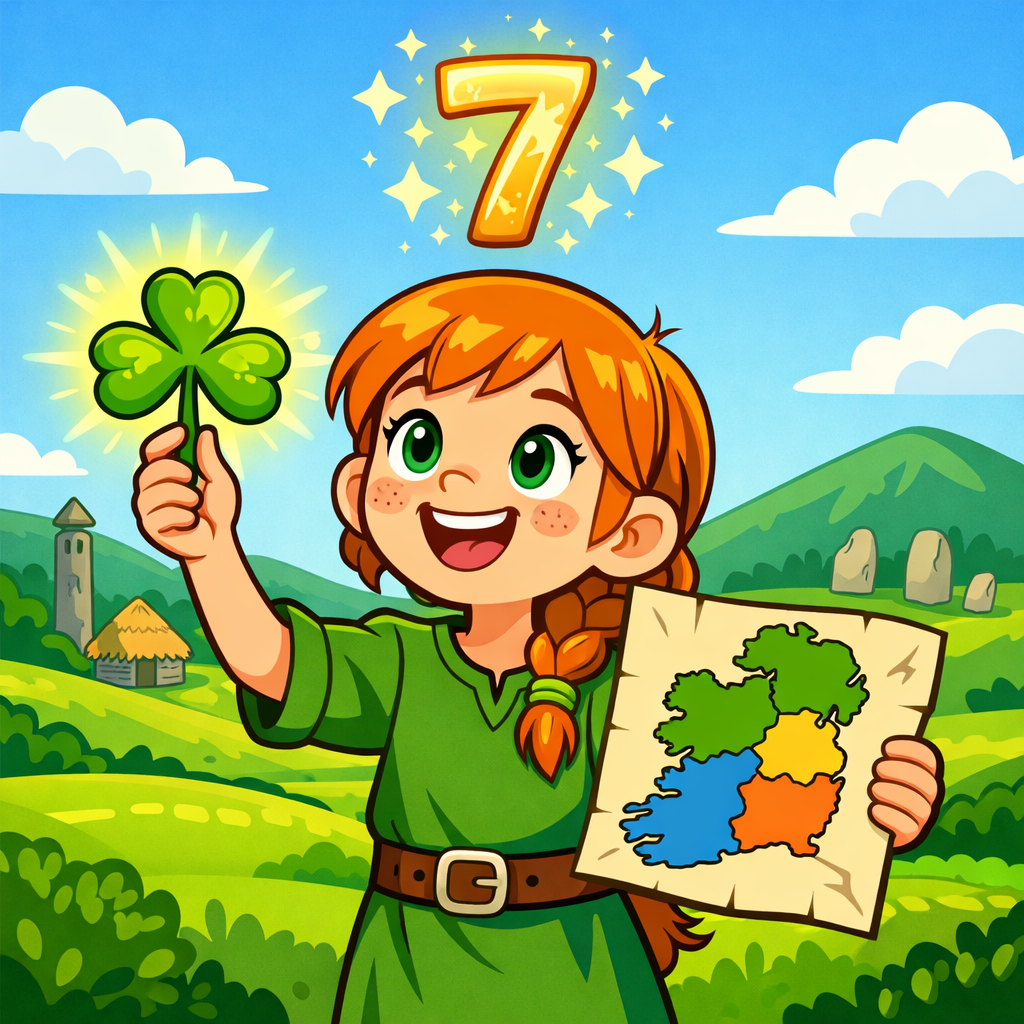
In ancient Ireland, people used special numbers in their stories and daily life. They believed some numbers were magical.
Three
Three was the most magical number.
- Heroes often faced three challenges or were given three wishes.
- St. Patrick used a shamrock with three leaves to explain the Holy Trinity.
Four
Ireland has four provinces:
- Leinster
- Munster
- Connacht
- Ulster
Four also represented the four seasons: spring, summer, autumn, and winter.
Seven
Old legends tell of seven treasures or seven brave tasks. Seven was thought to be a lucky number.
Unlock the full learning experience
You're previewing this lesson. Get full access to this lesson and hundreds more — each one ready to teach, with interactive activities, printable resources and pupil progress tracking built in.
This lesson is copyright of Coding Ireland 2017 - 2025. Unauthorised use, copying or distribution is not allowed.