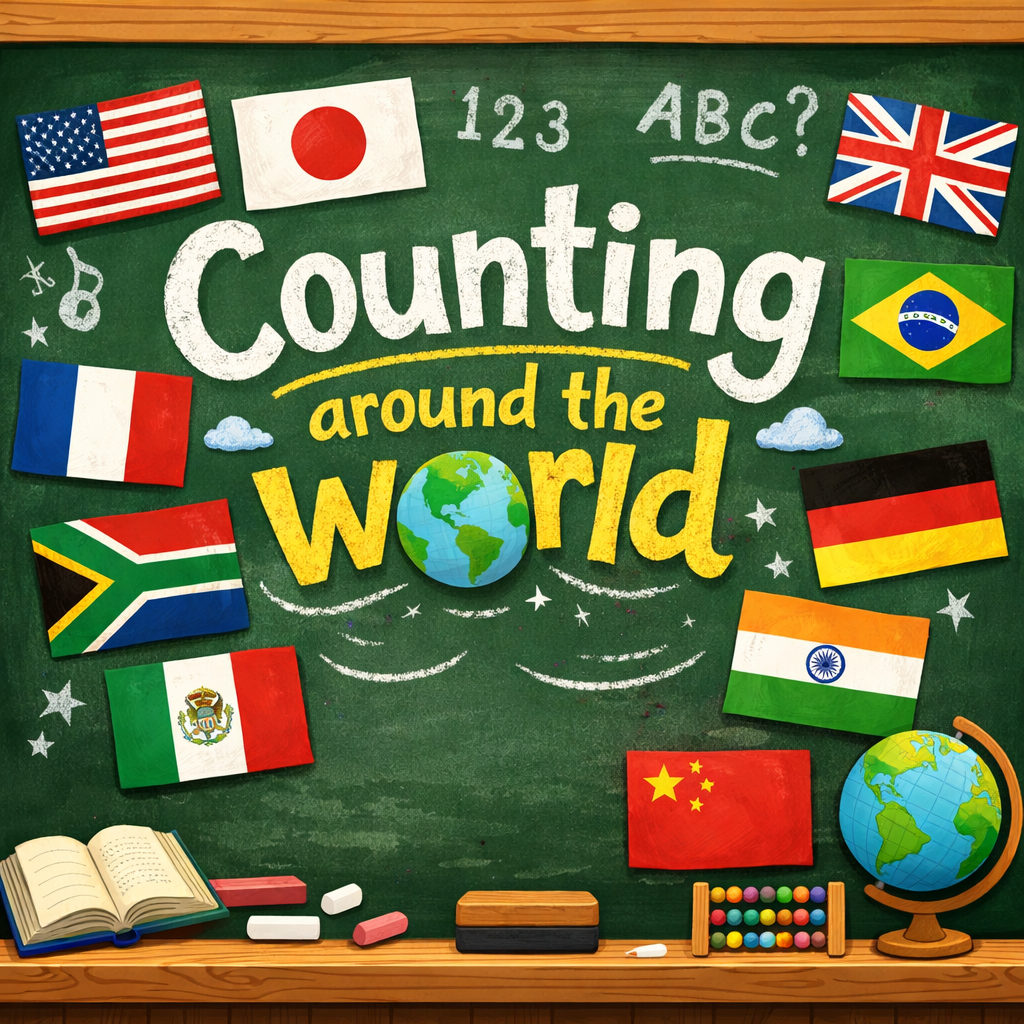
 Have you ever wondered how people around the world count? Some use their fingers, some use their toes, and some even use eggs or months! Today, we will explore counting in Irish and discover why different cultures count in special ways.
- Learn to count to 20 in Irish and hear how the words sound.
- Find out about different counting systems like base-10, base-12, and base-20.
- Discover how counting connects to Irish farms, sports like hurling, and stories with leprechauns.
- Match numbers in English, French, and Irish, and spot similar words between them.
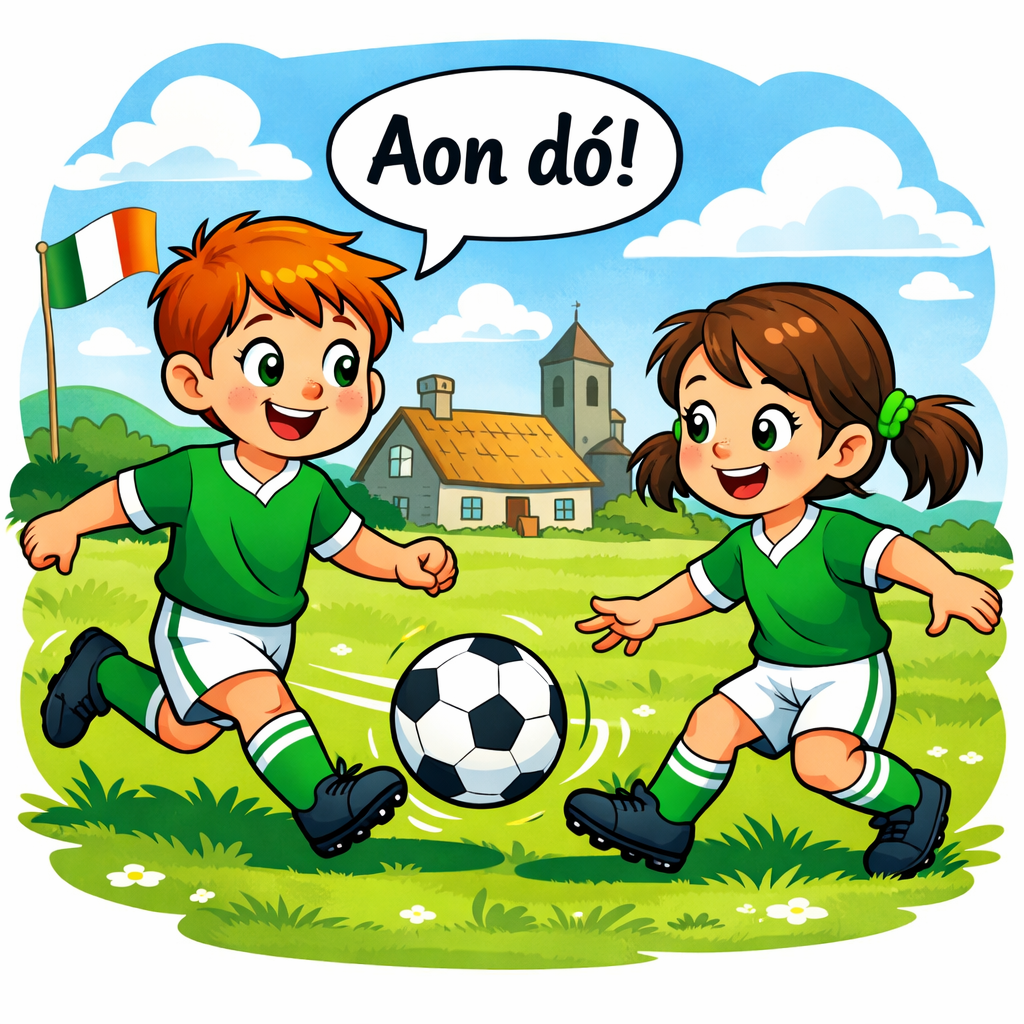 Counting has always been an important part of Irish life and culture. These numbers helped people in everyday life, especially when working on farms and in nature.
Counting on Irish farms and in nature
Children and adults counted animals like sheep and cows, and crops like potatoes. They used Irish number words such as aon (one) and dó (two). This helped people organise their work and stay connected to the land.
Counting in Irish sports and community life
Numbers are also very important in traditional Irish sports like hurling and Gaelic football. Scores are counted in a special way, such as 1–5, which means one goal and five points. Fans count along and cheer, helping bring communities together.
Counting in Irish stories and music
Irish folklore and stories often include numbers, such as leprechauns hiding gold at the end of seven rainbows. In traditional Irish music, people count beats to help them dance to jigs and reels. Learning Irish numbers helps us understand these traditions and cultural activities.
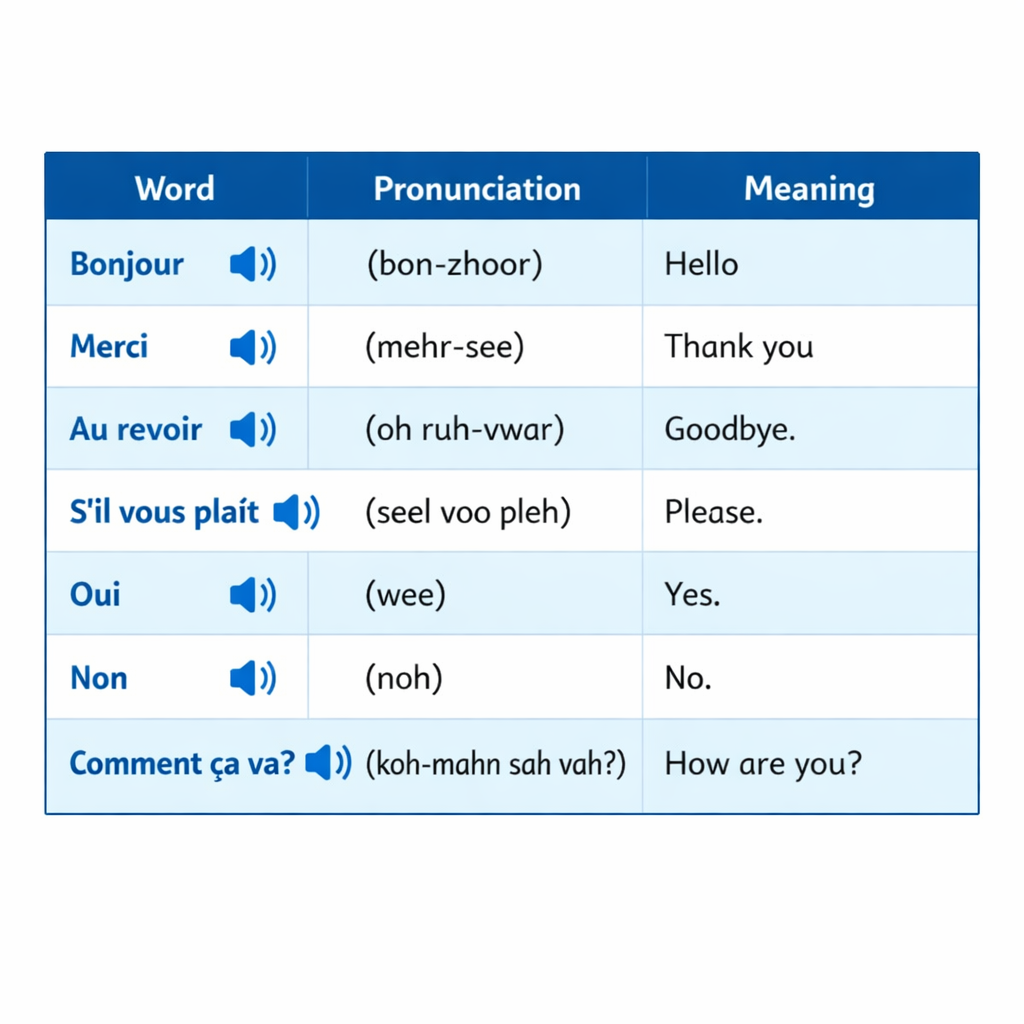 Discover the sounds of new words in a handy table where you can see each one alongside its English translation. Tap to hear the pronunciation and get comfortable with how they're said.
This is your go-to spot for checking and listening as often as you like, making it easy to build confidence with the vocabulary step by step.
Key Vocabulary (play each word to listen to pronunciation)
| Image | Word / Phrase | Meaning |
|---|---|---|
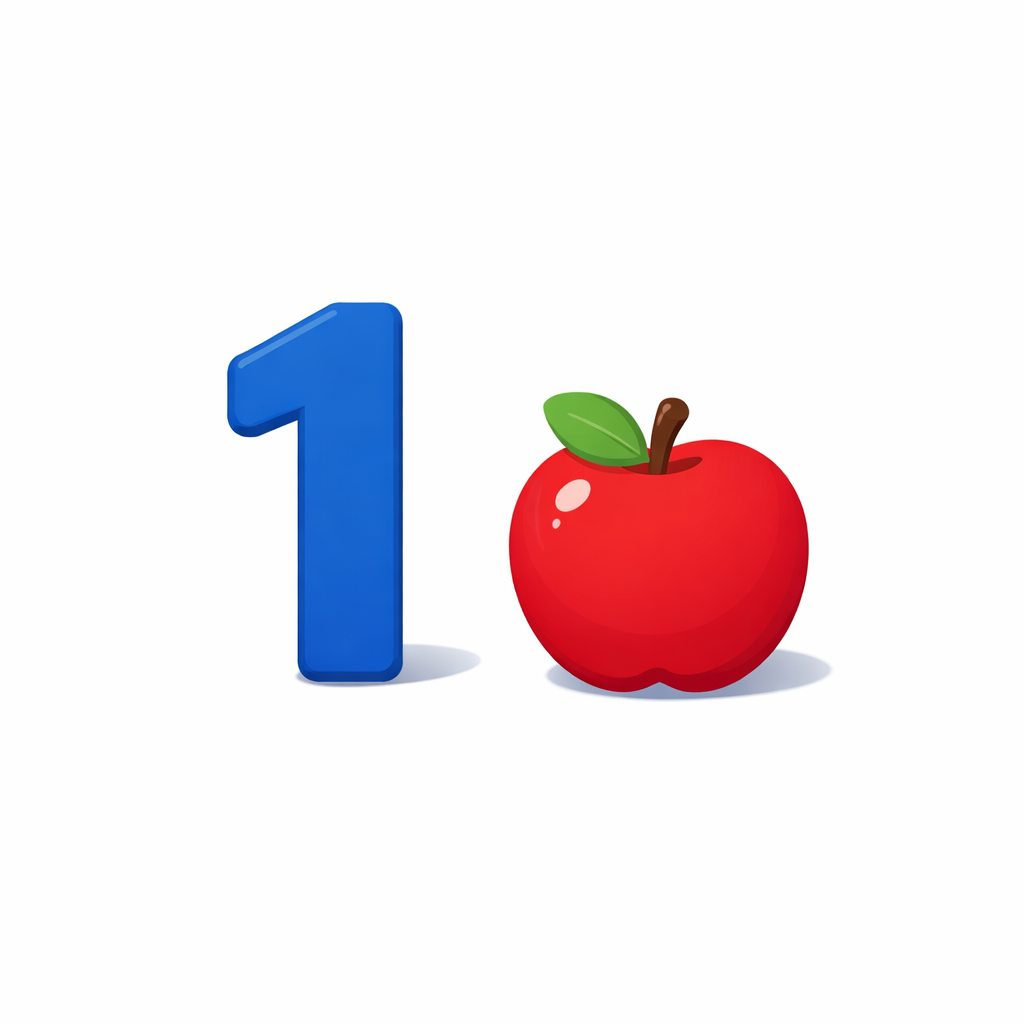 |
Aon
ayn
|
One |
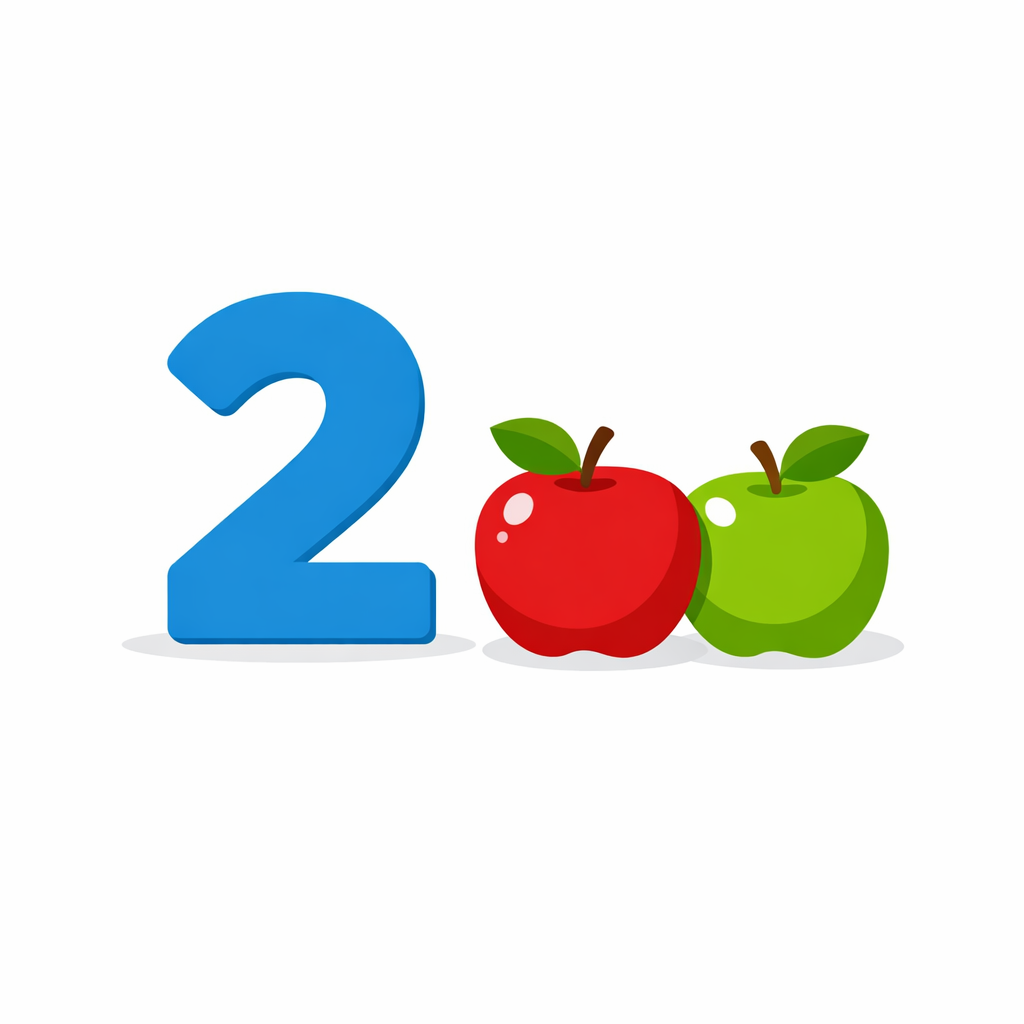 |
Do
doh
|
Two |
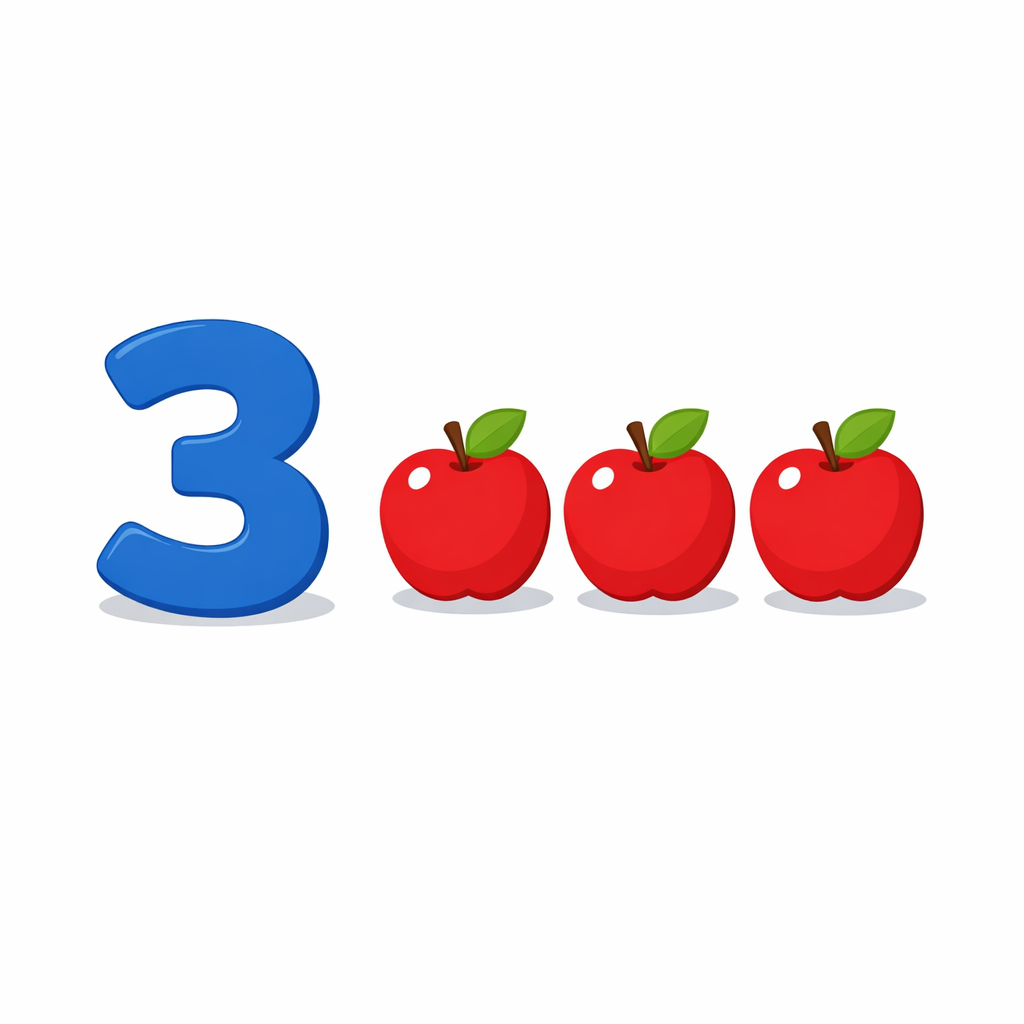 |
Tri
tree
|
Three |
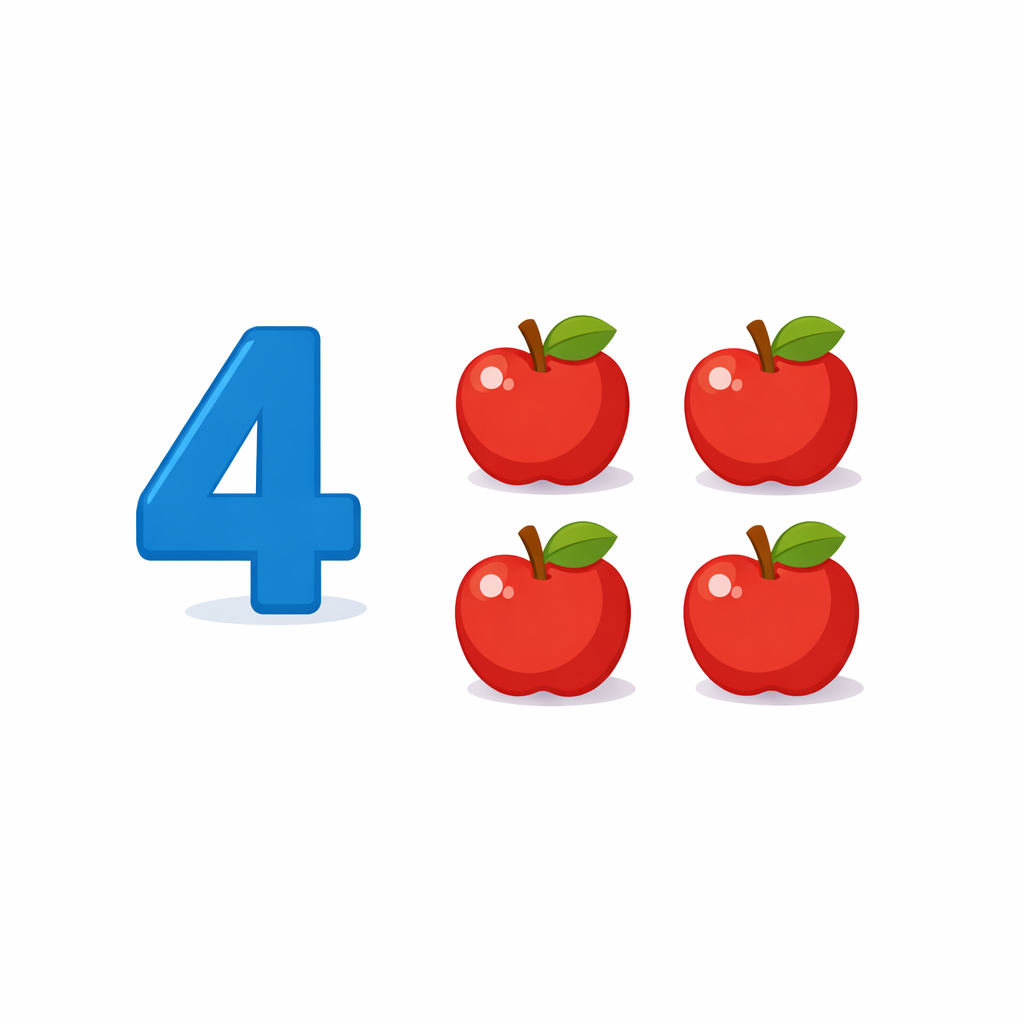 |
Ceathair
kah-hir
|
Four |
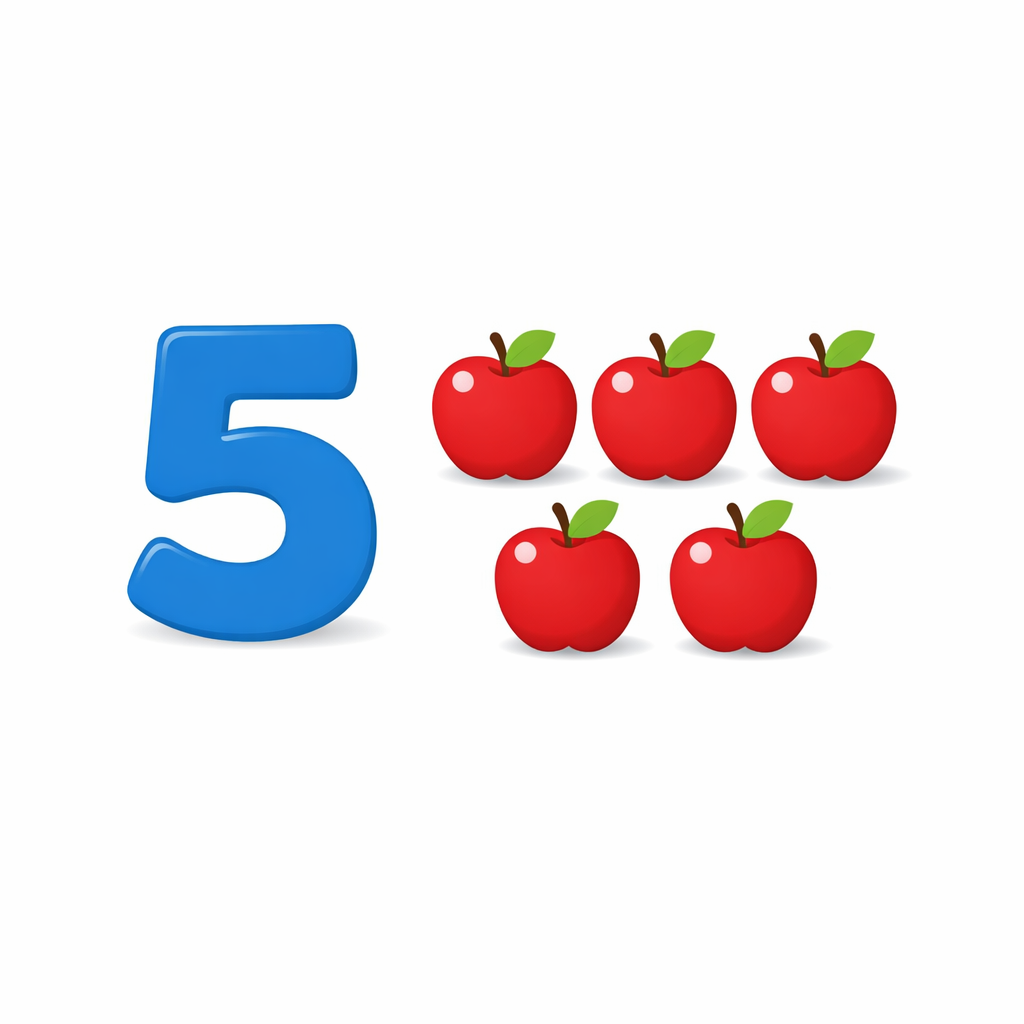 |
Cuig
koo-ig
|
Five |
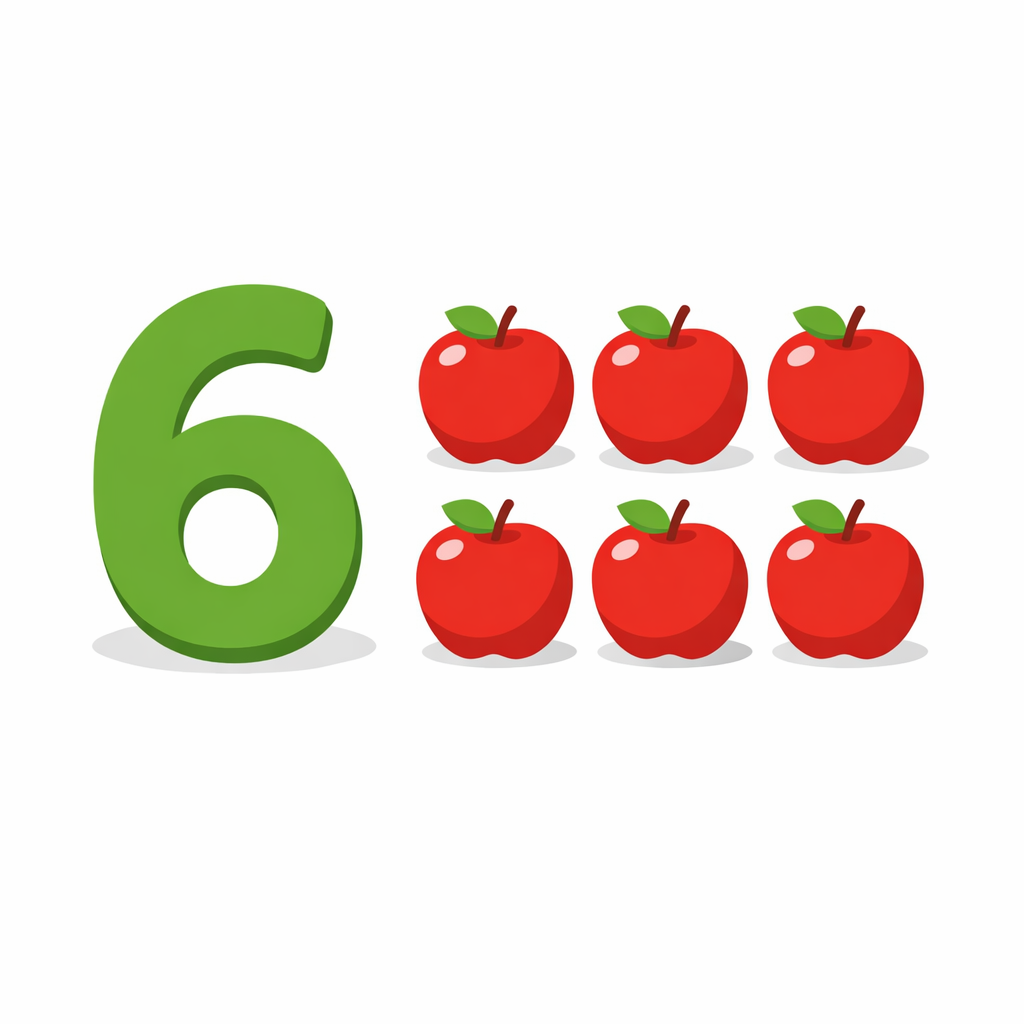 |
Se
shay
|
Six |
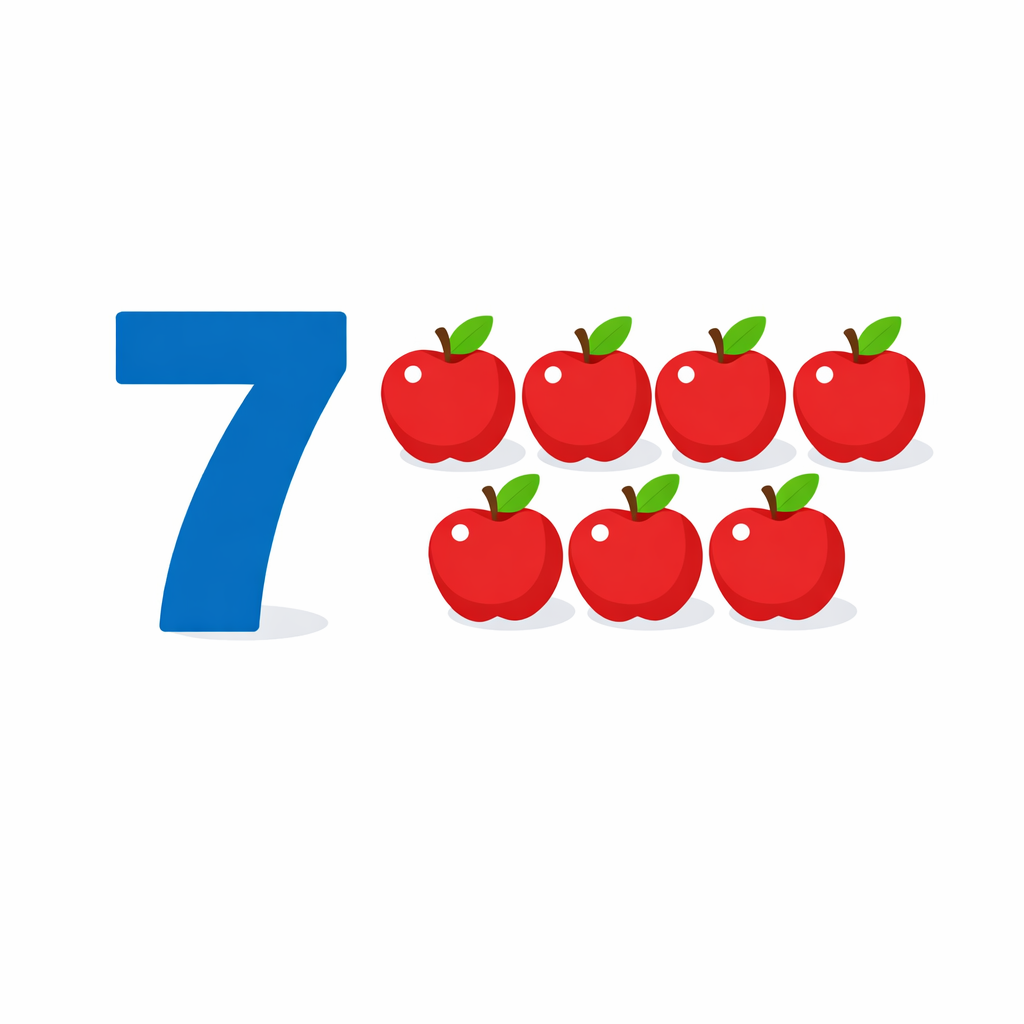 |
Seacht
shakht
|
Seven |
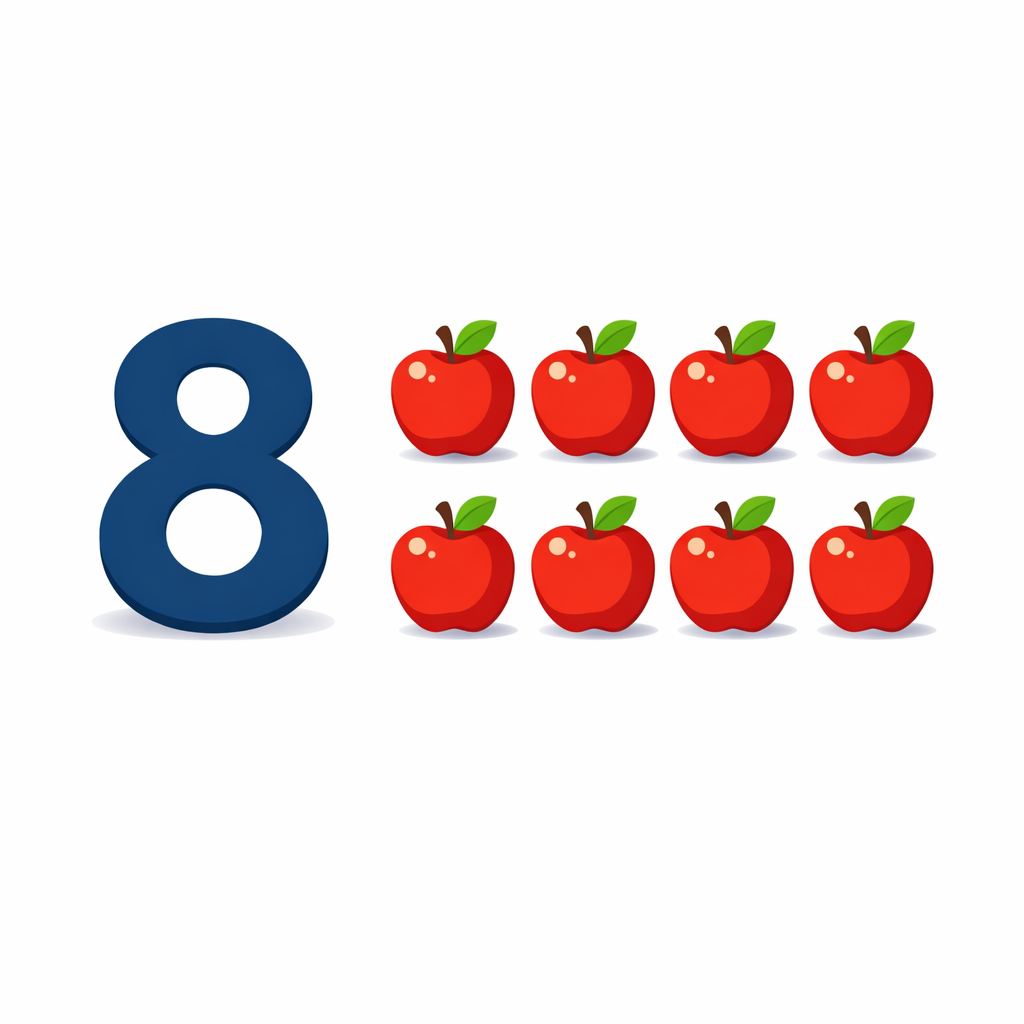 |
Ocht
ukht
|
Eight |
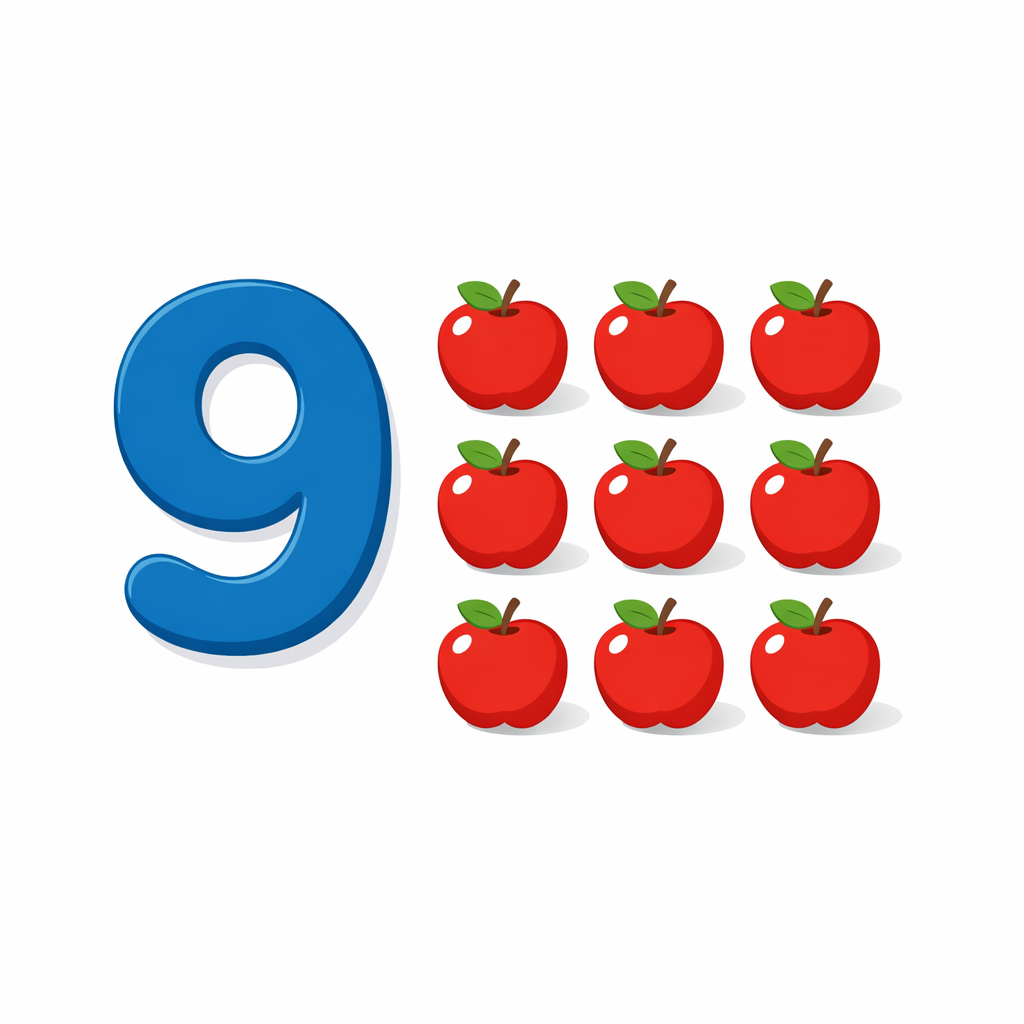 |
Naoi
nee
|
Nine |
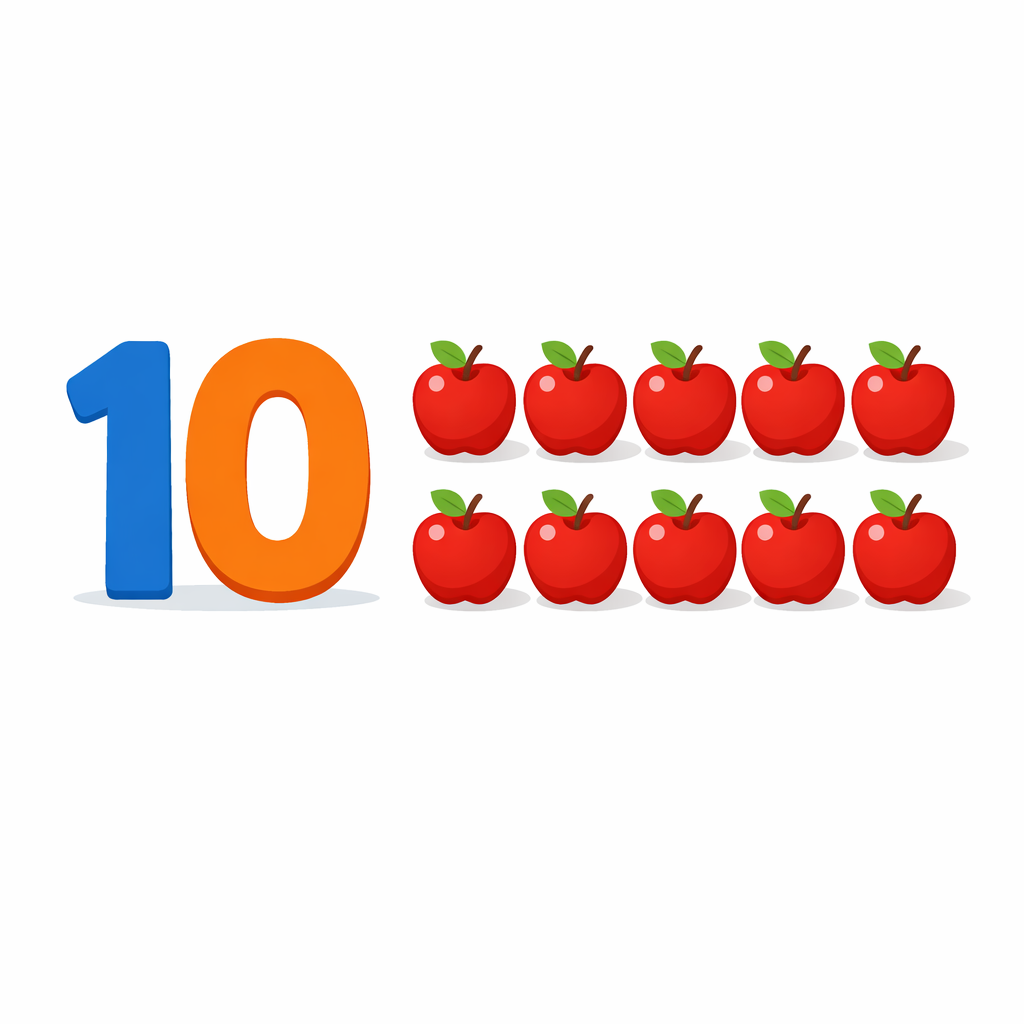 |
Deich
deh
|
Ten |
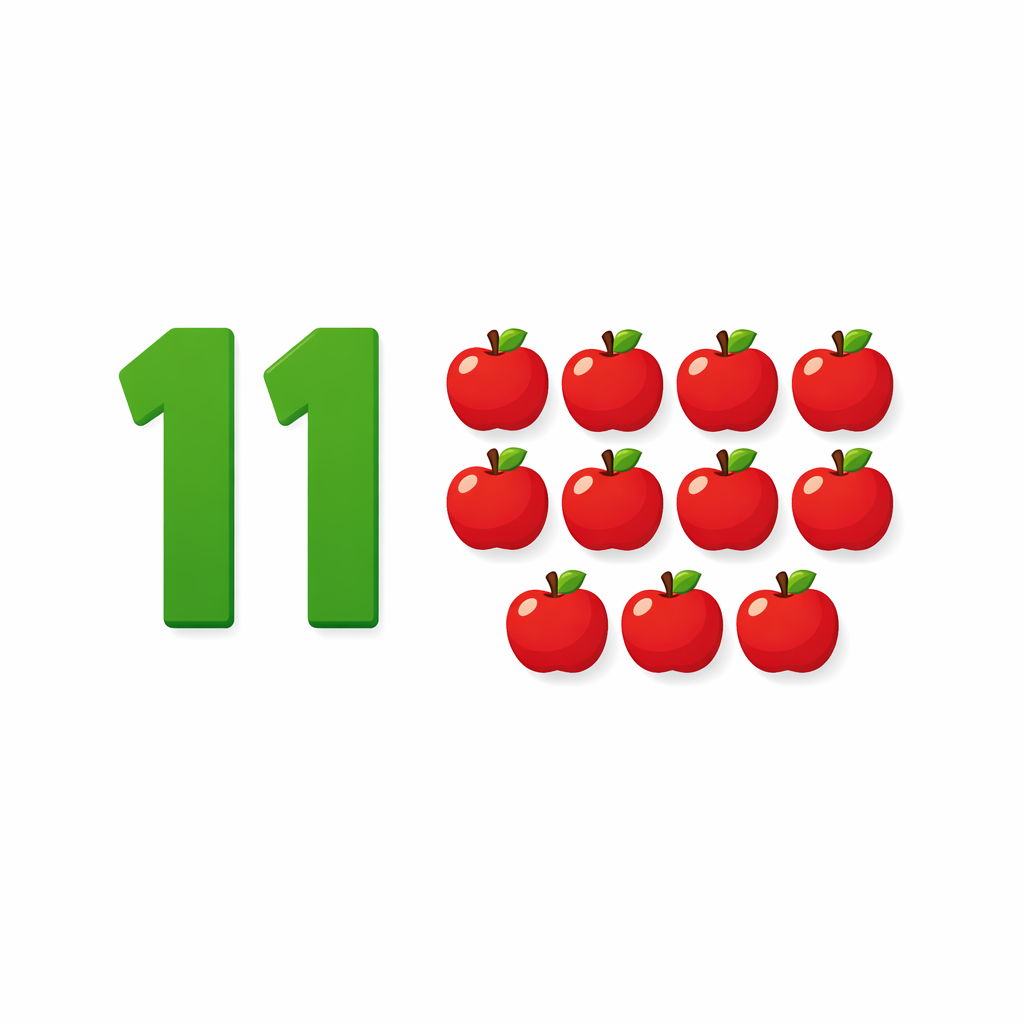 |
Aon deag
ayn dyag
|
Eleven |
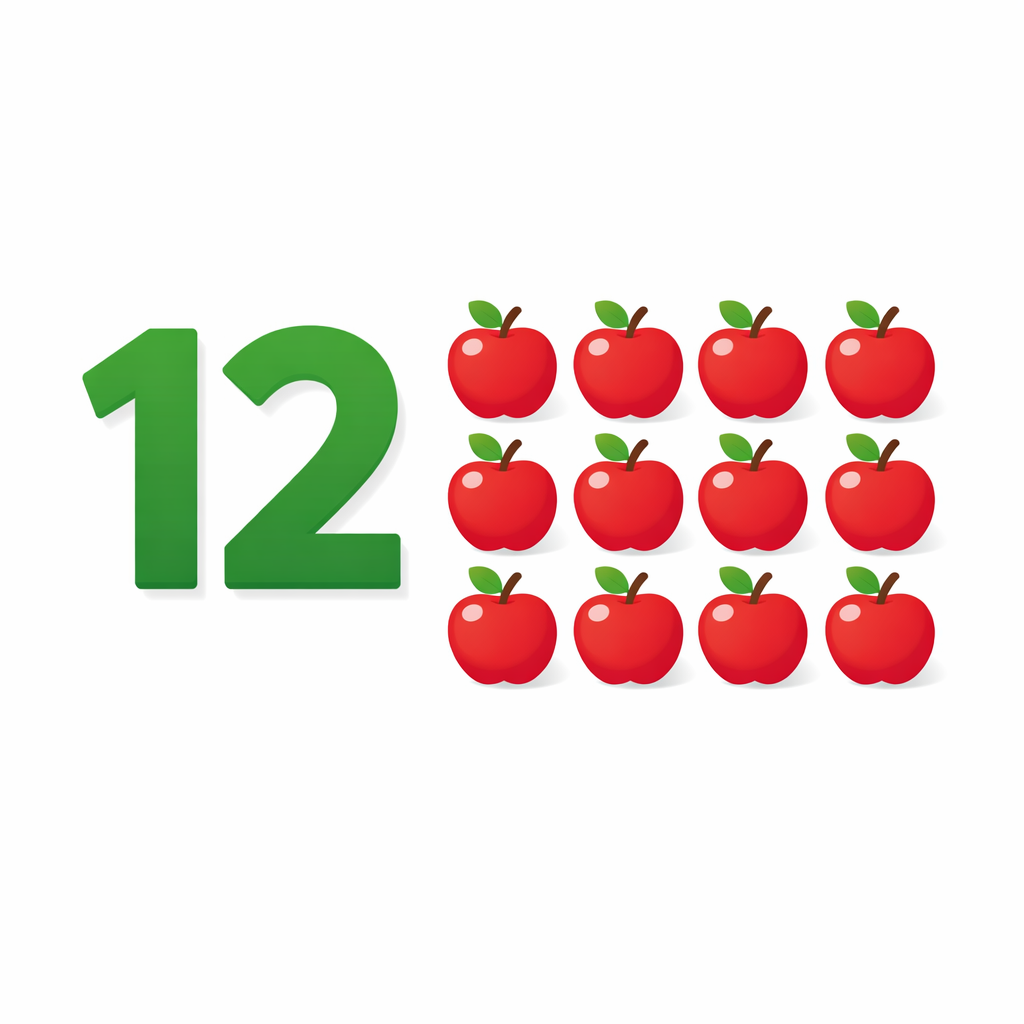 |
Do dheag
doh yag
|
Twelve |
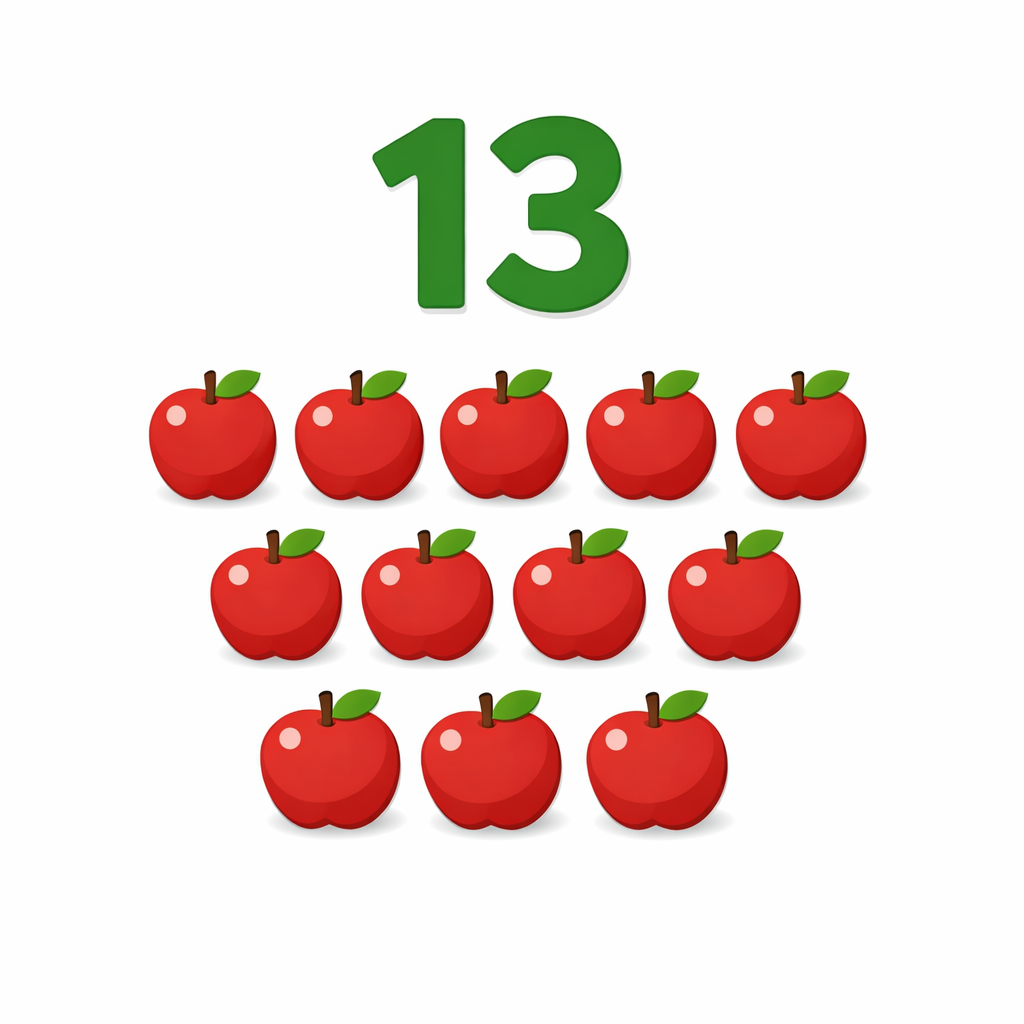 |
Tri deag
tree dyag
|
Thirteen |
 |
Ceathair deag
kah-hir dyag
|
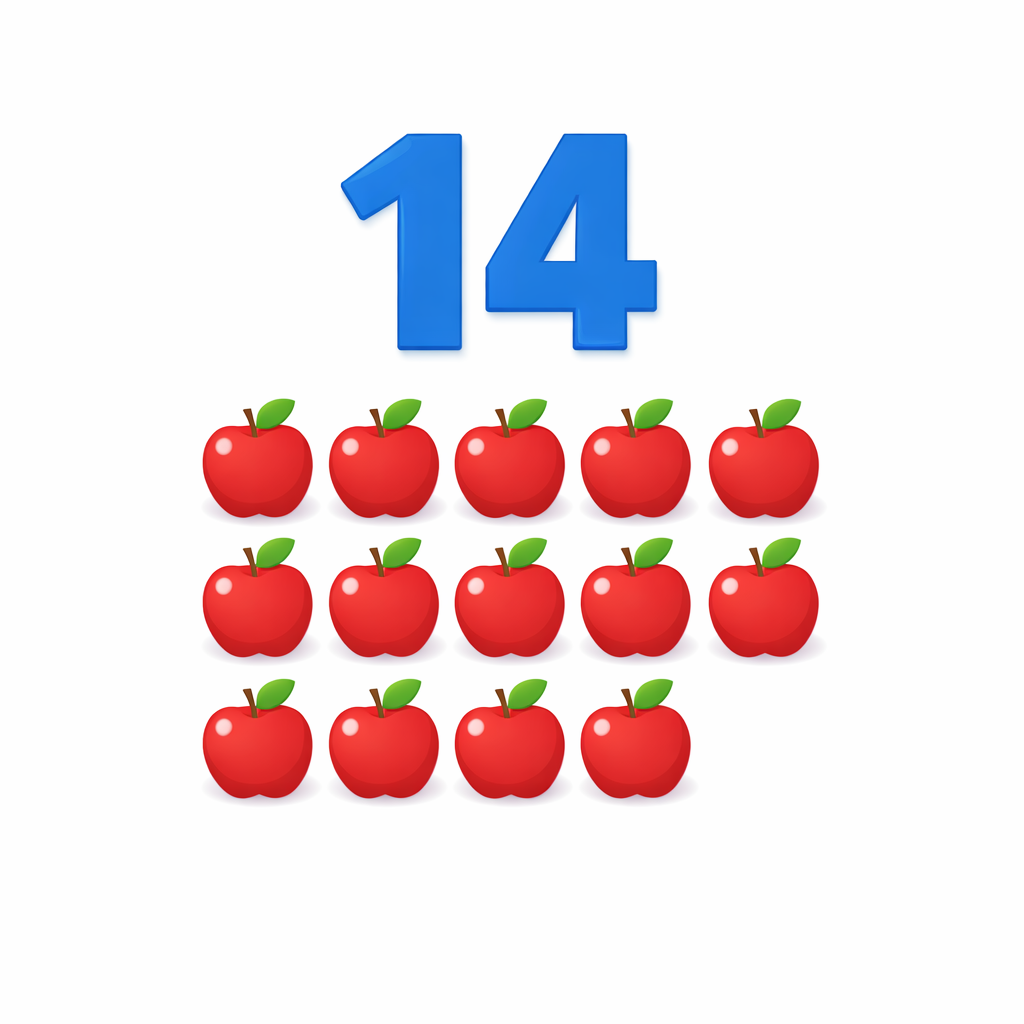
Fourteen |
 |
Cuig deag
koo-ig dyag
|
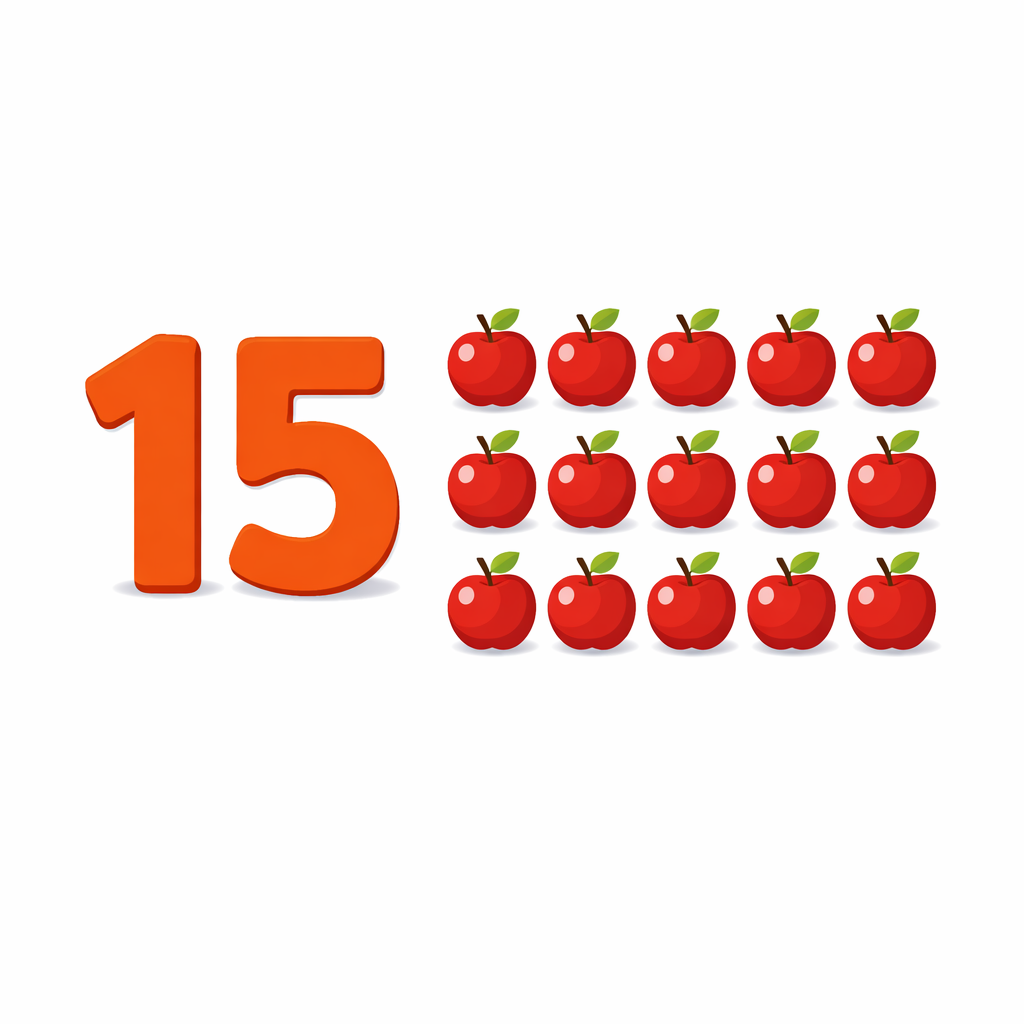
Fifteen |
 |
Se deag
shay dyag
|
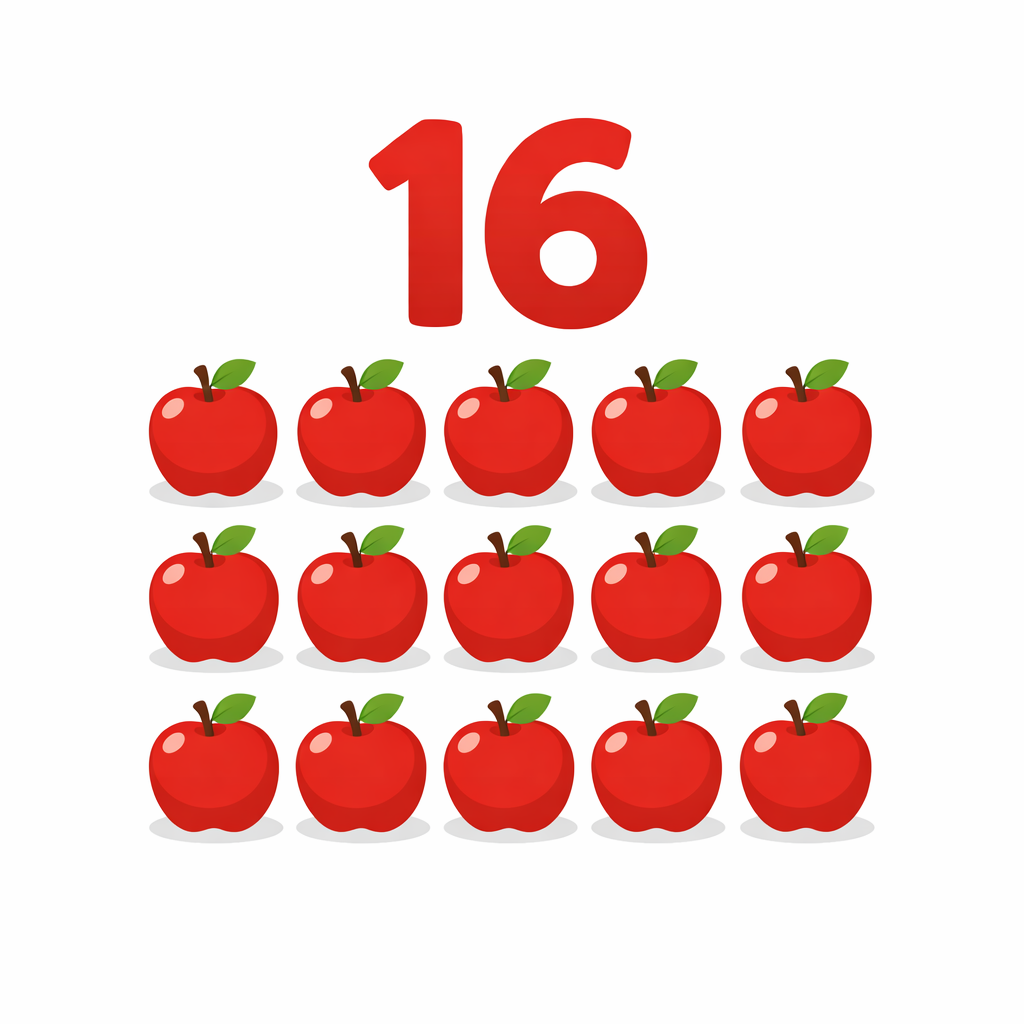
Sixteen |
 |
Seacht deag
shakht dyag
|
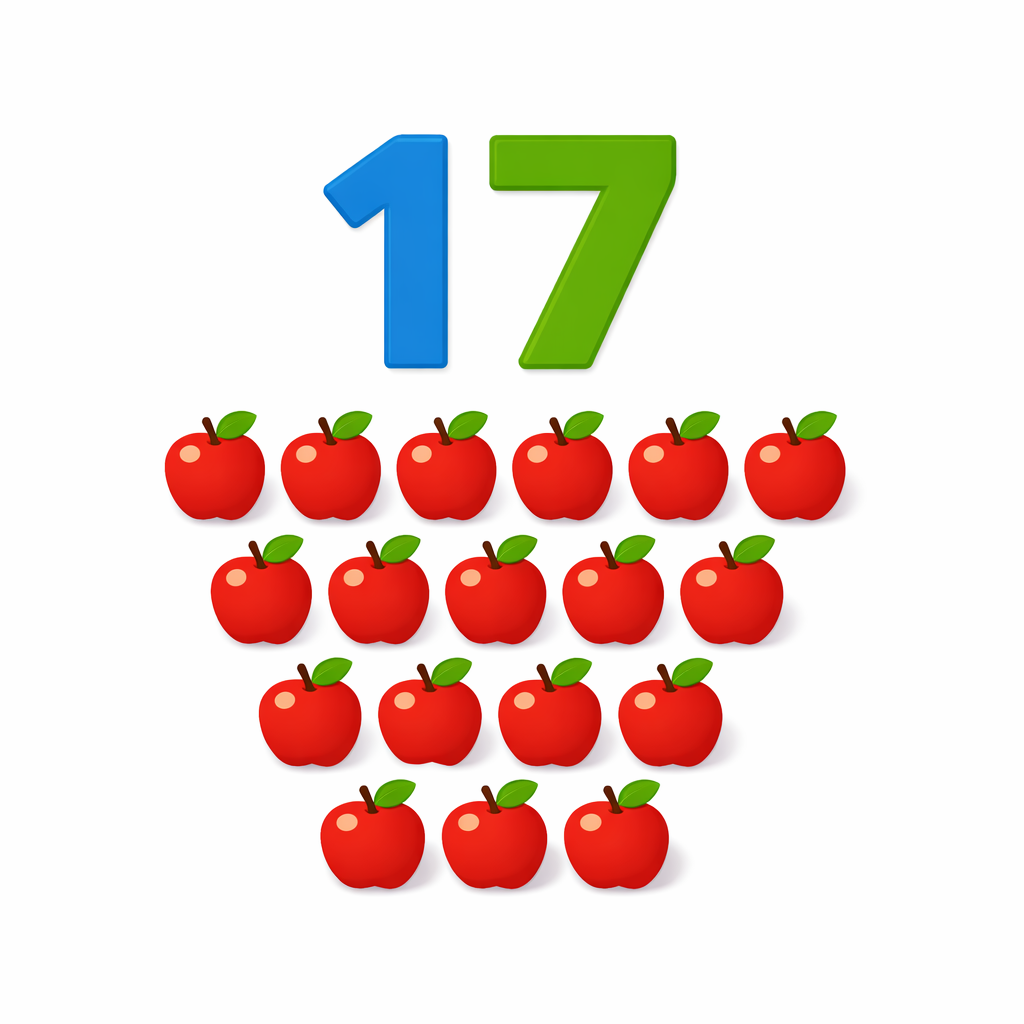
Seventeen |
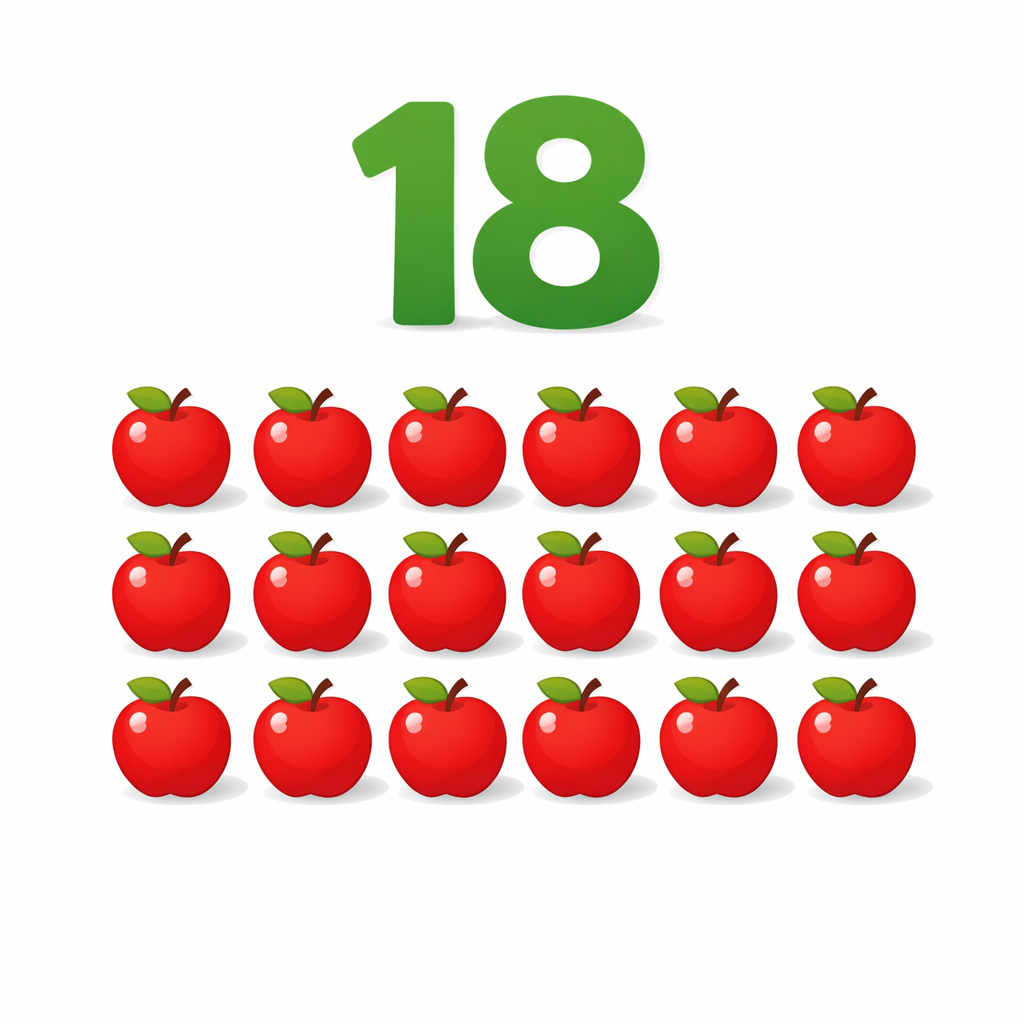 |
Ocht deag
ukht dyag
|
Eighteen |
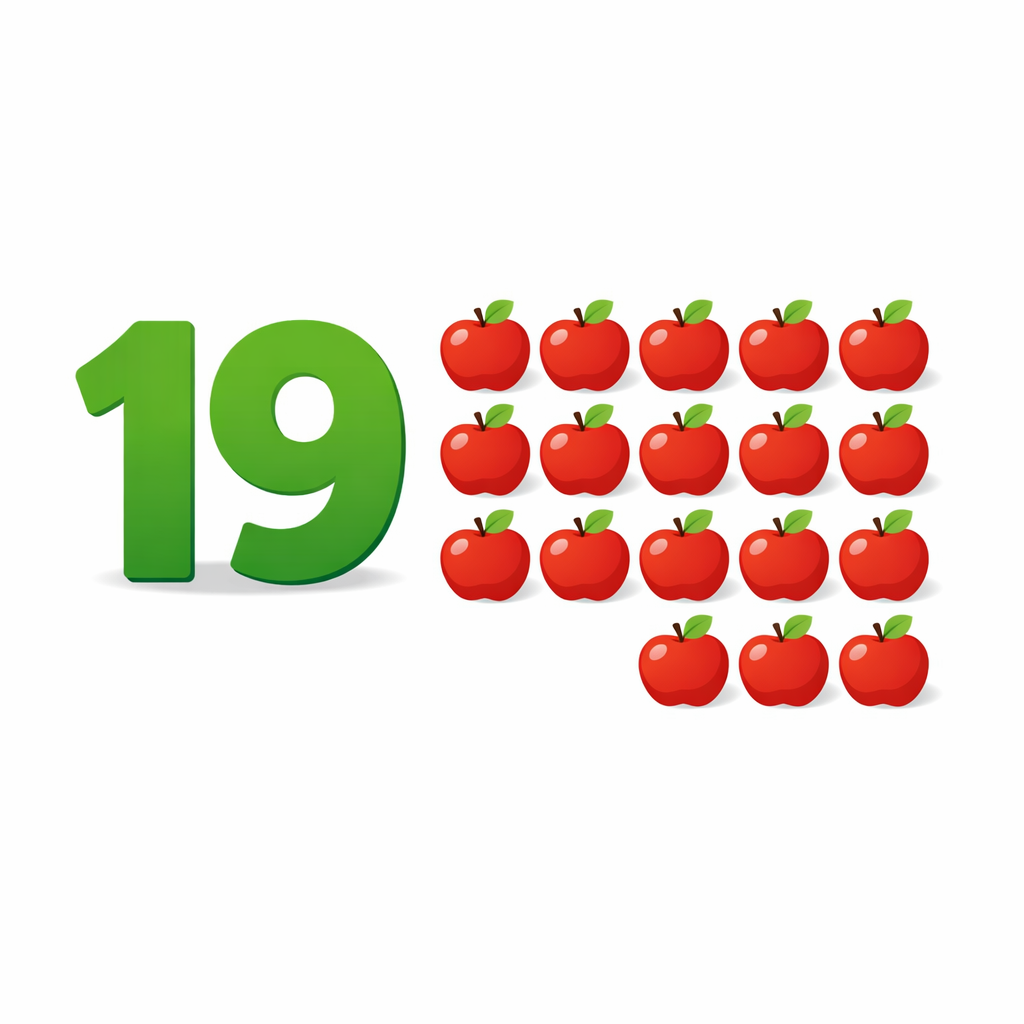 |
Naoi deag
nee dyag
|
Nineteen |
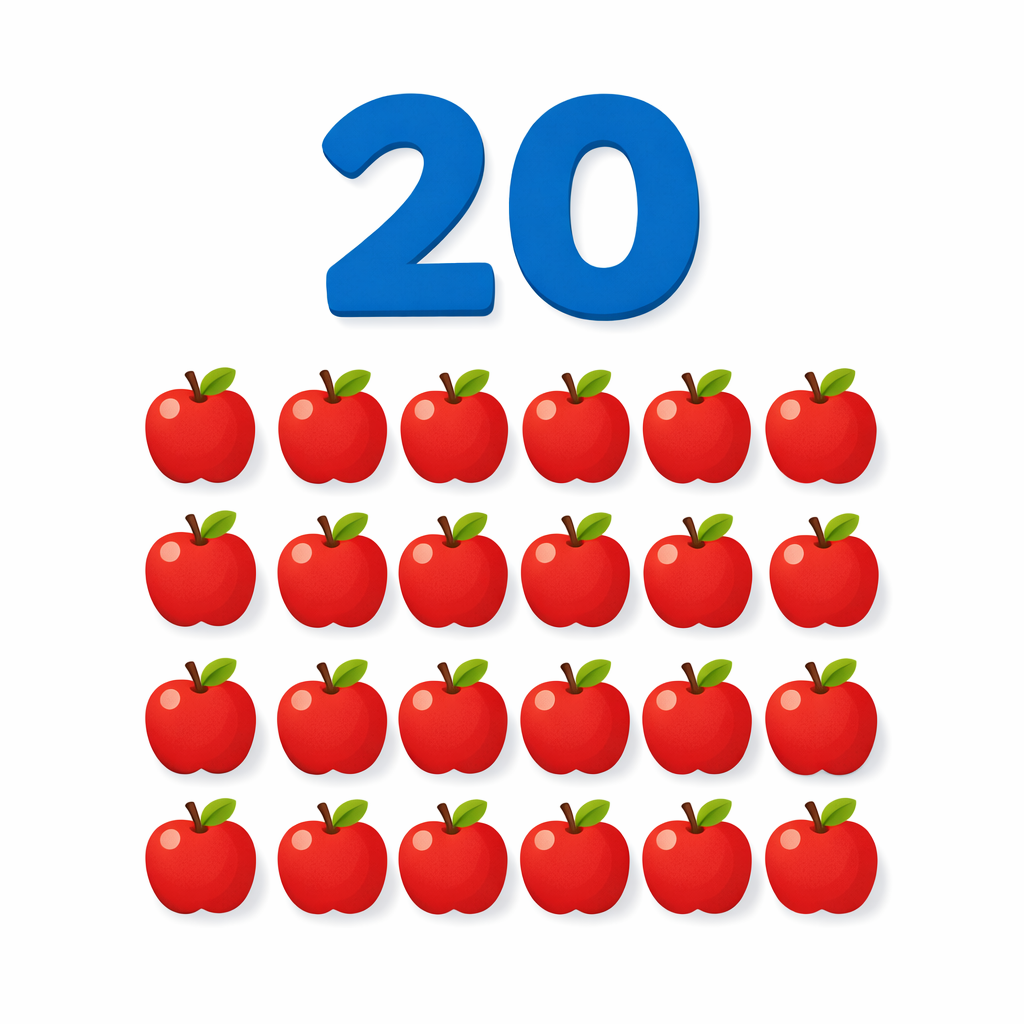 |
Fiche
fih-heh
|
Twenty |
How to Use This Activity:
Option 1: Digital Reference (Interactive)
- Display the Word Table on the whiteboard or let students access on their devices.
- Click/tap words to hear pronunciation - great for listening and speaking practice.
- Go through each word together, practising pronunciation as a class.
Option 2: Printed Reference Sheet
Download Vocabulary Sheet (PDF)
- Print the vocabulary reference sheet for students to keep as a study aid.
- Great for homework, revision, or as a take-home reference.
- Students can use it alongside the interactive activity.
 🌍 Did you know that people around the world don’t always count the same way? Different cultures use different counting systems. These systems are called bases, and they help people group numbers in special ways.
Base-10: Counting with your fingers ✋
Most countries, including Ireland, use the base-10 system. This means we count in groups of 10 because we have ten fingers.
- 10 is one group of ten
- 20 is two groups of ten
- 30 is three groups of ten
Languages like English, Irish, French, and Spanish all mostly use base-10 counting.
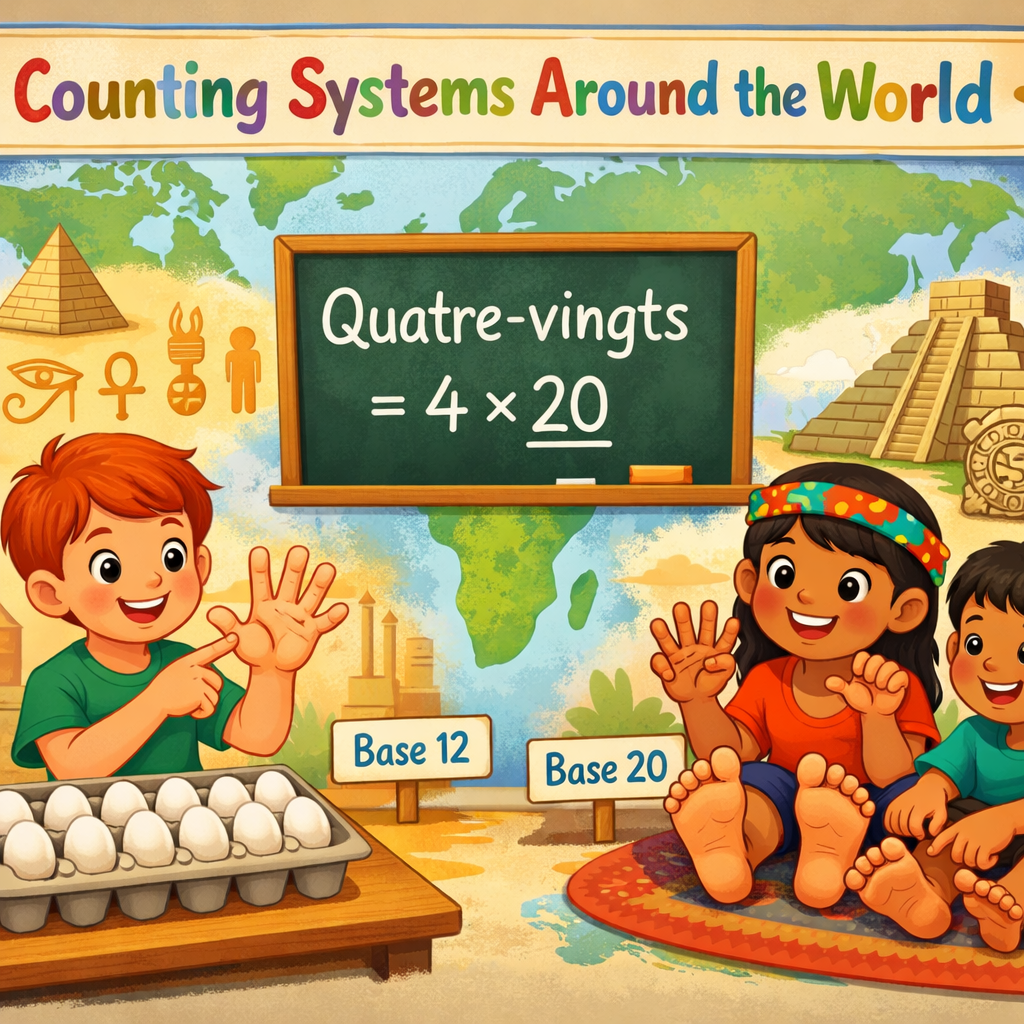 🌍 Did you know that not everyone in the world counts in groups of 10? Some cultures count using different special numbers, like 12 or 20!
Base-12: Counting in groups of 12 🥚
Some cultures used base-12, which means they counted in groups of 12. We still use this system today in some ways.
- A dozen means 12 eggs or donuts 🍩
- There are 12 months in a year 📅
- You can count to 12 using the joints in your fingers
Base-12 was used in ancient places like Egypt and helped people organise time and objects.
Base-20: Counting in groups of 20 🦶
Some cultures counted using base-20, based on fingers and toes.
- 10 fingers + 10 toes = 20
- The Maya people in Central America used base-20 counting
- French still uses base-20 for some numbers!
For example, in French, 60 is “soixante”, but 80 is “quatre-vingts”, which means four twenties (4 × 20). This shows how language and culture affect counting systems.
Unlock the full learning experience
You're previewing this lesson. Get full access to this lesson and hundreds more — each one ready to teach, with interactive activities, printable resources and pupil progress tracking built in.
This lesson is copyright of Coding Ireland 2017 - 2025. Unauthorised use, copying or distribution is not allowed.