1 - Introduction
How Media Works - The Basics
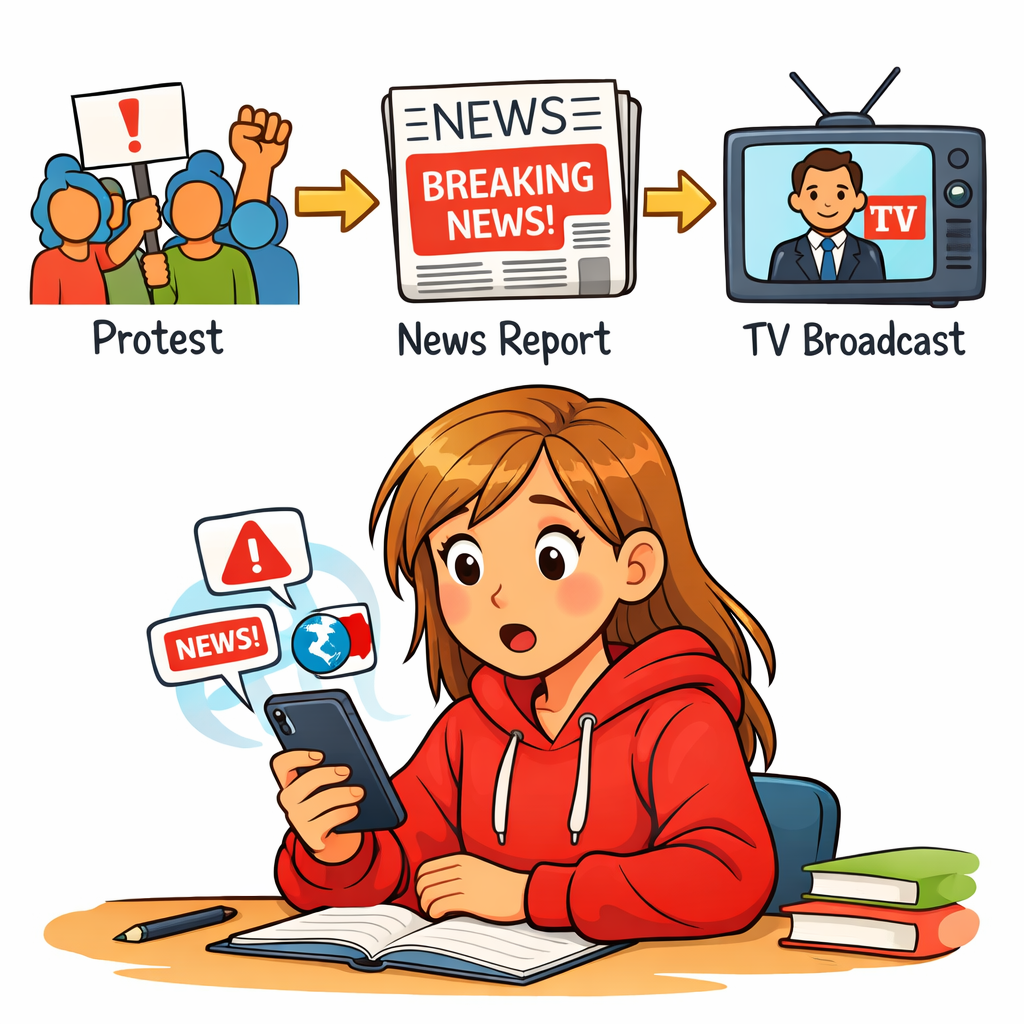 News surrounds us every day—from your phone notifications to TV screens and newspaper headlines. But how does a real-world event become a news story that reaches you? This lesson breaks down the process behind the news you consume.
In This Lesson, You'll Learn
- How news stories are created, from event to publication.
- Who decides what stories get coverage and why.
- How money influences what you see in the media.
- Common techniques used to shape stories, like framing and sensationalism.
2 - How Does News Actually Get Made?
How Does News Actually Get Made?
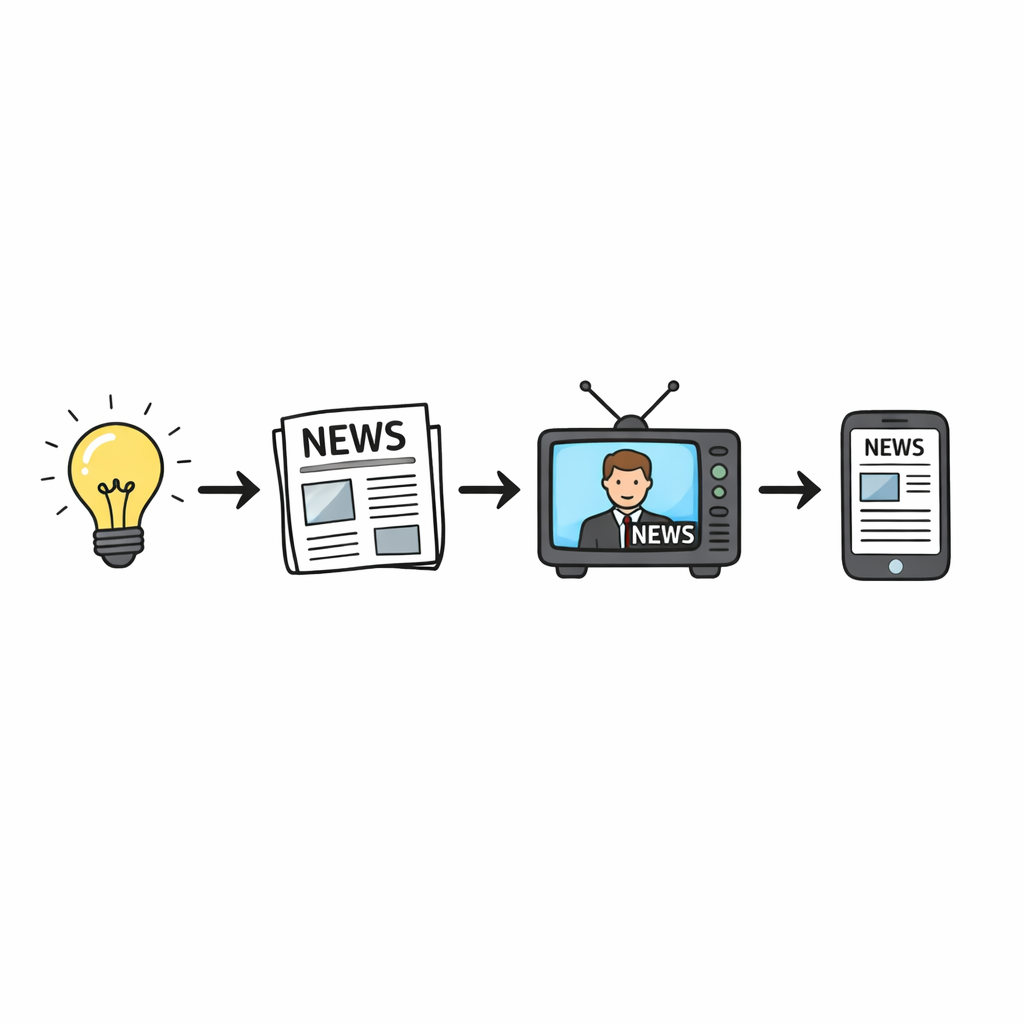 Ever wonder how a story gets from real life into your TV, phone, or newspaper?
In This Lesson, You'll Learn
✓ How news stories are created
✓ Who decides what you see
✓ Why some stories get coverage
✓ How money shapes the news
Key Idea: When you understand HOW media works, you spot problems better and ask smarter questions.
💭 Think About This: How many news stories do you see or hear about in a typical day? Where do they come from?
3 - From Event to Story
How A Story Gets From Real Life To You
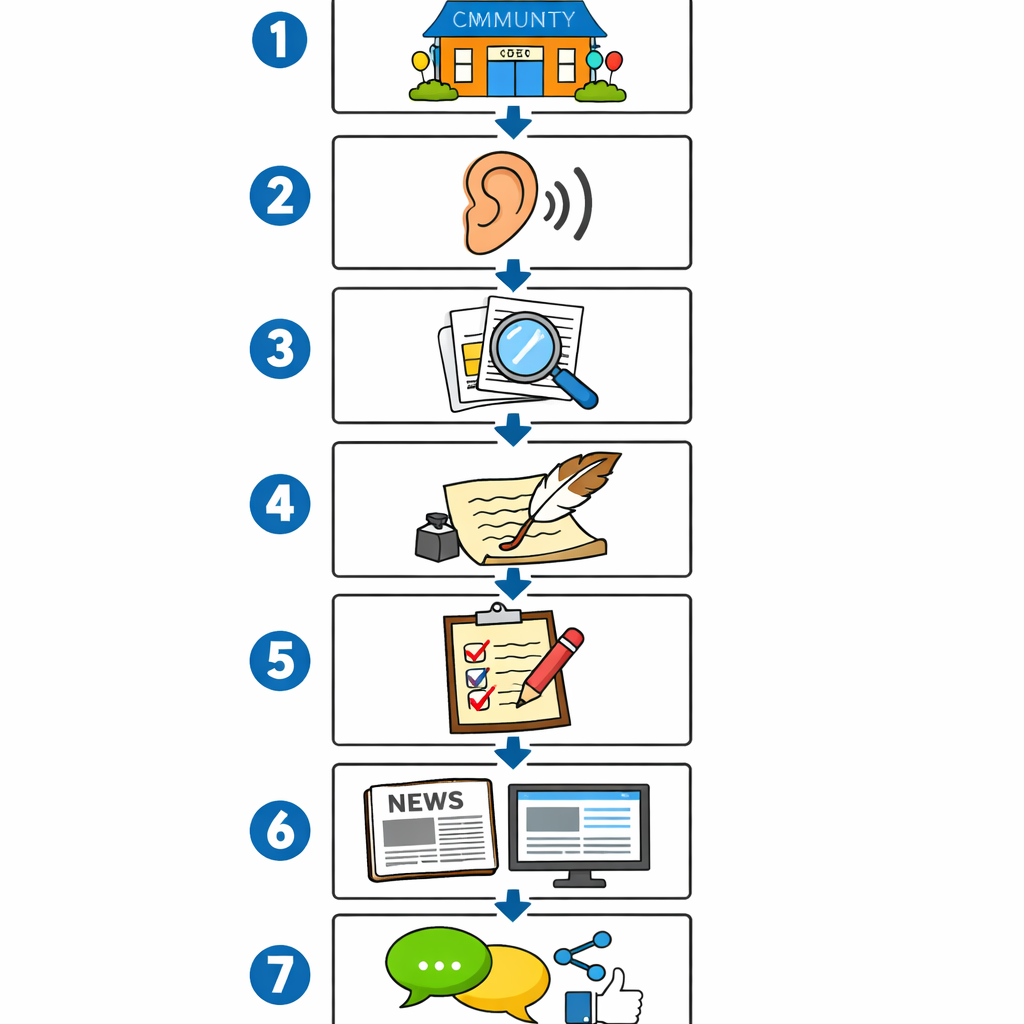 Let's follow one story through 7 stages:
Stage 1: Something Happens
A new community center opens in your neighborhood
↓
Stage 2: A Reporter Hears About It
From social media, press release, or word of mouth
↓
Stage 3: Reporter Investigates
Interviews, visits, checks facts, gets quotes
↓
Stage 4: Reporter Writes Story
Decides what's important, which quotes to use, what headline to write
↓
Stage 5: Editor Reviews
Checks facts, suggests changes, decides if it's important enough
↓
Stage 6: Story Gets Published
In newspaper, website, or TV broadcast
↓
Stage 7: Story Spreads
Shared on social media, discussed, or forgotten
Key Idea: At EVERY stage, decisions are made about what to include and leave out. The story you see is a selected, shaped version—not the whole picture.
💭 Reflect: If you were reporting this story, what would YOU decide to emphasize? What might you leave out?
4 - Who Controls the Media?
Who Decides What You See?
Different people make decisions at different levels:
The Decision-Makers (Click to Learn More)
📰 Editors
+📺 TV News Directors
+🎤 Journalists/Reporters
+💼 Owners
+💰 Advertisers
+Key Question: "Who made the decision to show me this story, and what might their motivation be?"
💭 Real Example: A newspaper doesn't report on environmental problems at its biggest advertiser's factory. Why? They don't want to lose the advertising money.
5 - Where Does Media Get Its Money?
How Does Media Make Money?
Understanding this is KEY to understanding what you see.
The Business Models
📰 Newspapers & Magazines
- Subscriptions/copies sold
- Advertising space (often more important than sales)
📺 TV & Radio
- Almost entirely advertising funded
- You don't pay—advertisers do
🌐 Websites & Apps
- Advertising
- Subscriptions
- Selling YOUR data
📱 Social Media
- Almost entirely advertising
- You're the product being sold
What This Means
Media organizations are BUSINESSES. They need money to survive, which means:
- They want as many viewers/readers as possible
- They want to keep advertisers happy
- They prioritize stories that attract attention (even if sensational)
- They sometimes avoid stories that upset advertisers
💭 Think About It: When you watch free content on TV or online, you're not the customer. Advertisers are. Your attention is being sold to companies that want to reach you.
Unlock the full learning experience
You're previewing this lesson. Get full access to this lesson and hundreds more — each one ready to teach, with interactive activities, printable resources and pupil progress tracking built in.
This lesson is copyright of Coding Ireland 2017 - 2026. Unauthorised use, copying or distribution is not allowed.