1 - Welcome to Body Parts
Have you ever played Simon Says or followed instructions to touch different body parts? Today we're learning how to do that in German! Knowing body part words is super useful - you can play games, describe where something hurts, or even help at the doctor's.
German children learn these words in school and use them in songs like 'Head, Shoulders, Knees and Toes' - but in German of course!
By the end of this lesson, you will be able to:
- Name 10 body parts in German
- Point to the right body part when you hear the German word
- Use these words in partner conversations and games
2 - Meet the Body Parts
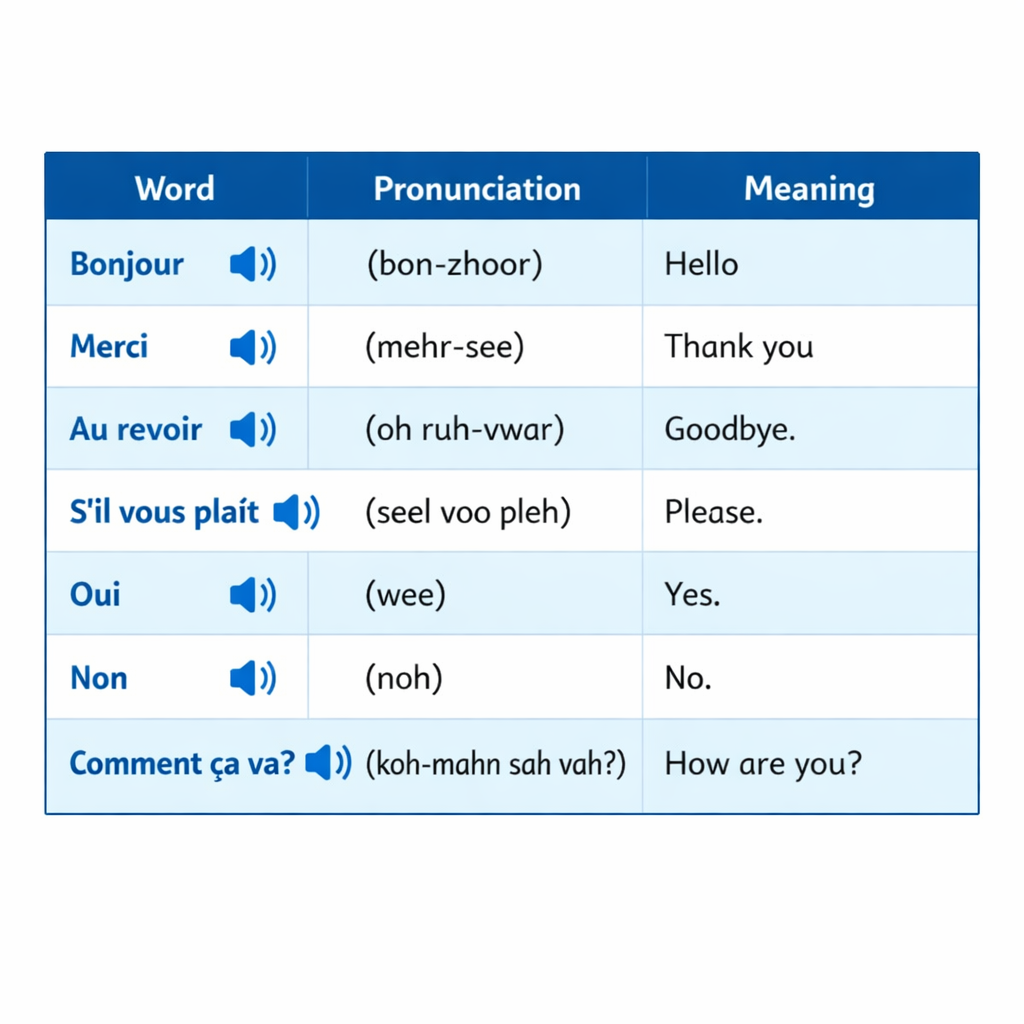 Here are today's new German words for body parts. Click each word to hear how it's pronounced, then point to that part of your body as you repeat it out loud!
Notice that some words use 'der' (masculine) like der Kopf (head), and others use 'die' (feminine) like die Hand (hand). 'Die' is used for plural words like die Augen (eyes).
Try to spot any words that sound similar to English - these are your friends for remembering!
How to Use This Activity:
Option 1: Digital Reference (Interactive)
- Display the Word Table on the whiteboard or let students access on their devices.
- Click/tap words to hear pronunciation - great for listening and speaking practice.
- Go through each word together, practising pronunciation as a class.
Option 2: Printed Reference Sheet
Download Vocabulary Sheet (PDF)
- Print the vocabulary reference sheet for students to keep as a study aid.
- Great for homework, revision, or as a take-home reference.
- Students can use it alongside the interactive activity.
3 - Flashcard Challenge
 See the English word and try to say the German word before flipping the card! Point to the body part on yourself each time you get it right. This is perfect practice for the Head Shoulders Knees and Toes song!
How to Use This Activity:
Option 1: Students on Devices
- Students complete the Flashcards activity on their own laptop or tablet.
- Great for self-paced vocabulary drilling. Students can flip cards and repeat until confident.
- Walk around the room to monitor progress and assist students who need help.
Option 2: Teacher-Led (Whiteboard/Projector)
- Display the activity on your interactive whiteboard or projector.
- Click to flip cards and have the class say the word together. Use choral repetition for pronunciation practice.
- Invite students up to interact with the board, or have them call out answers from their desks.
4 - Matching Pairs
 Flip the cards to match each German body part with its English translation! When you find a match, point to that body part and say both words. How quickly can you clear the board?
How to Use This Activity:
Option 1: Students on Devices
- Students complete the Matching Pairs activity on their own laptop or tablet.
- Students match words to their translations. Encourage them to say the words aloud as they match.
- Walk around the room to monitor progress and assist students who need help.
Option 2: Teacher-Led (Whiteboard/Projector)
- Display the activity on your interactive whiteboard or projector.
- Make it competitive - time students or split class into teams. Have students justify their matches.
- Invite students up to interact with the board, or have them call out answers from their desks.
5 - Listen and Respond
 Listen carefully to the German conversation and answer the questions by clicking the right picture. This helps you understand body parts in real conversations!
How to Use This Activity:
Option 1: Students on Devices
- Students complete the Listen & Answer activity on their own laptop or tablet.
- Students listen to audio and answer comprehension questions. They can replay audio as needed.
- Walk around the room to monitor progress and assist students who need help.
Option 2: Teacher-Led (Whiteboard/Projector)
- Display the activity on your interactive whiteboard or projector.
- Play audio to the whole class, then discuss answers together. Replay tricky sections.
- Invite students up to interact with the board, or have them call out answers from their desks.
Unlock the full learning experience
You're previewing this lesson. Get full access to this lesson and hundreds more — each one ready to teach, with interactive activities, printable resources and pupil progress tracking built in.
This lesson is copyright of Coding Ireland 2017 - 2025. Unauthorised use, copying or distribution is not allowed.