1 - Introduction
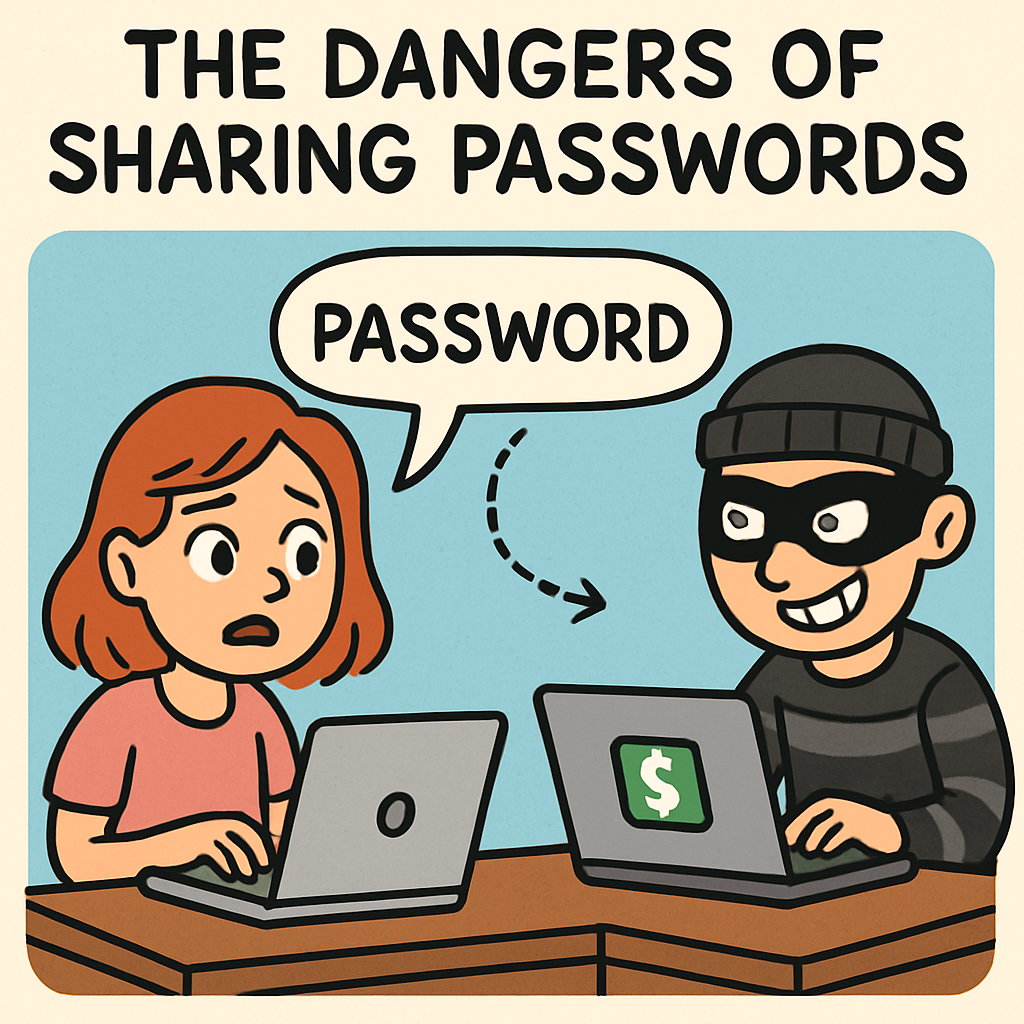 Welcome: The Dangers of Sharing Passwords
In this lesson, you will learn why passwords are important and why you should keep them private. You will also learn what can go wrong if a password is shared, and how to keep your accounts safe.
If someone gets your password, they might be able to get into your account, pretend to be you, or change your settings. That’s why learning to protect passwords is a smart safety habit.
2 - Why do we have passwords?
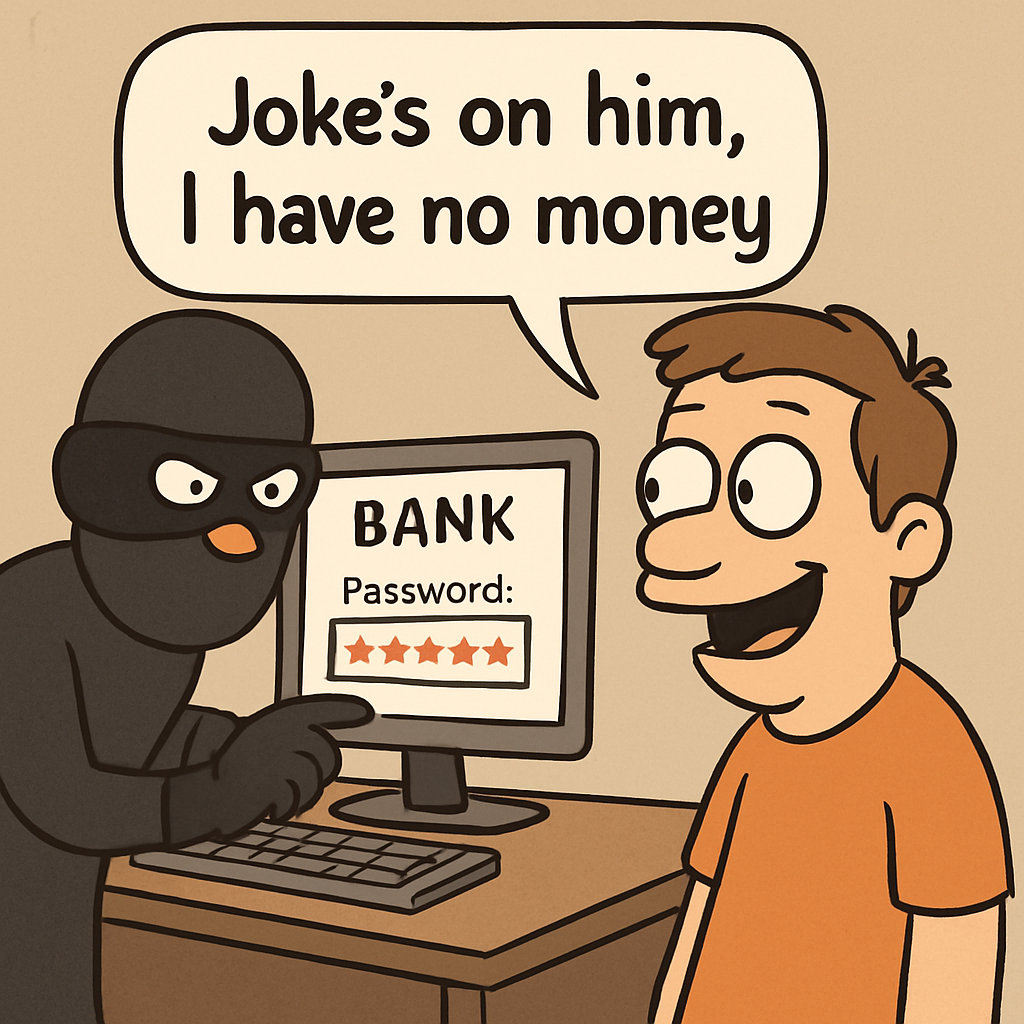
Why do we have passwords?
Passwords help keep your online accounts safe. They work like a lock on a door. If you have the password, you can get in. If you don’t, you can’t.
Passwords protect your personal information and your account settings. That means strangers should not be able to: read your messages, change your profile, or pretend to be you.
If there were no passwords, anyone could try to get into your accounts. That could cause problems like:
- Reading private messages
- Changing your settings
- Posting or messaging while pretending to be you
That’s why passwords are important: they help you keep privacy, security, and control online.
3 - What can happen if we share our passwords?
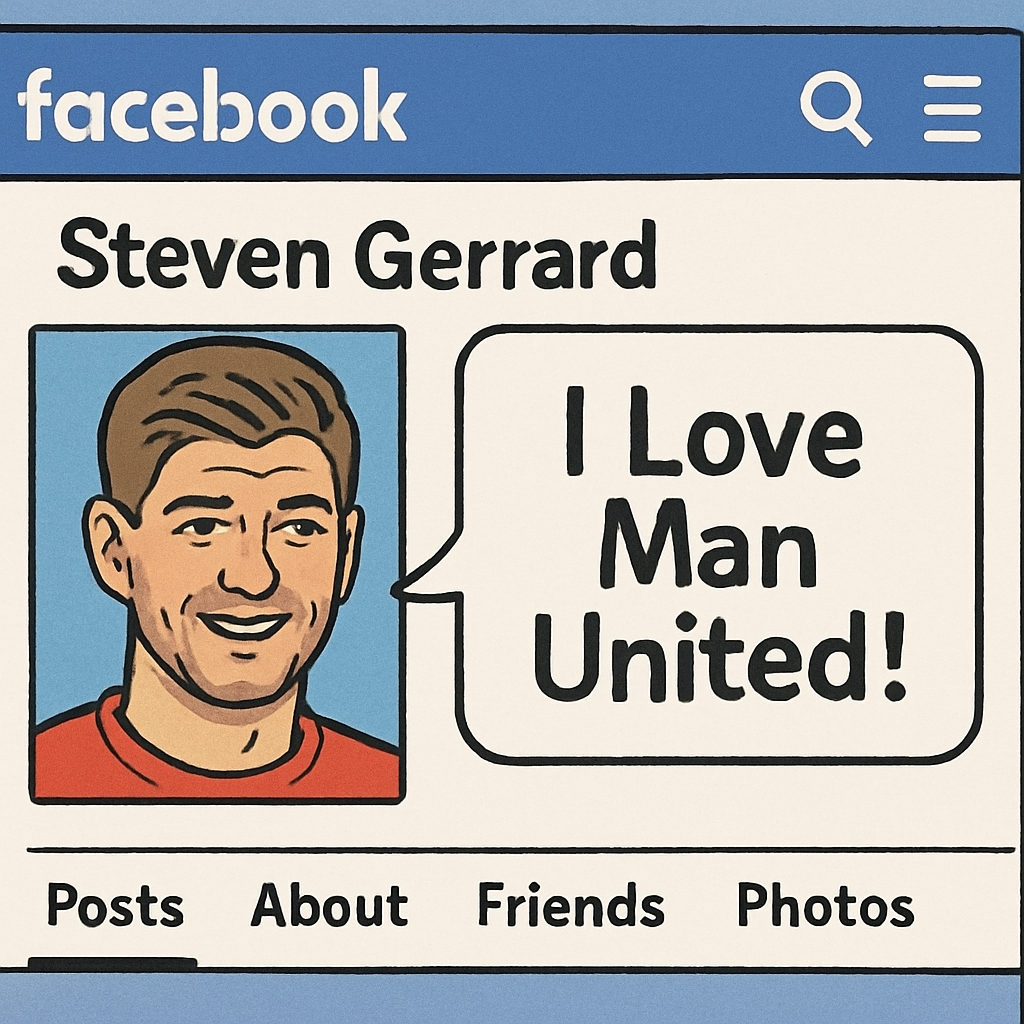 What can happen if we share our passwords?
Sharing your password can cause big problems, because it lets someone else get into your account. Even if they seem friendly, once you share a password you lose control of what happens next.
Here are some things that could happen if a password is shared:
- Pretending to be you: Someone could send messages or post things using your account, and other people might think it was you.
- Getting you locked out: They could change the password, and you might not be able to get back in.
- Seeing private stuff: They could read messages, view personal information, or look at things that are meant to be private.
- Causing trouble: They could use your account to be unkind, bully others, or break rules — and it might look like you did it.
4 - Who Should You Never Share Your Password with?
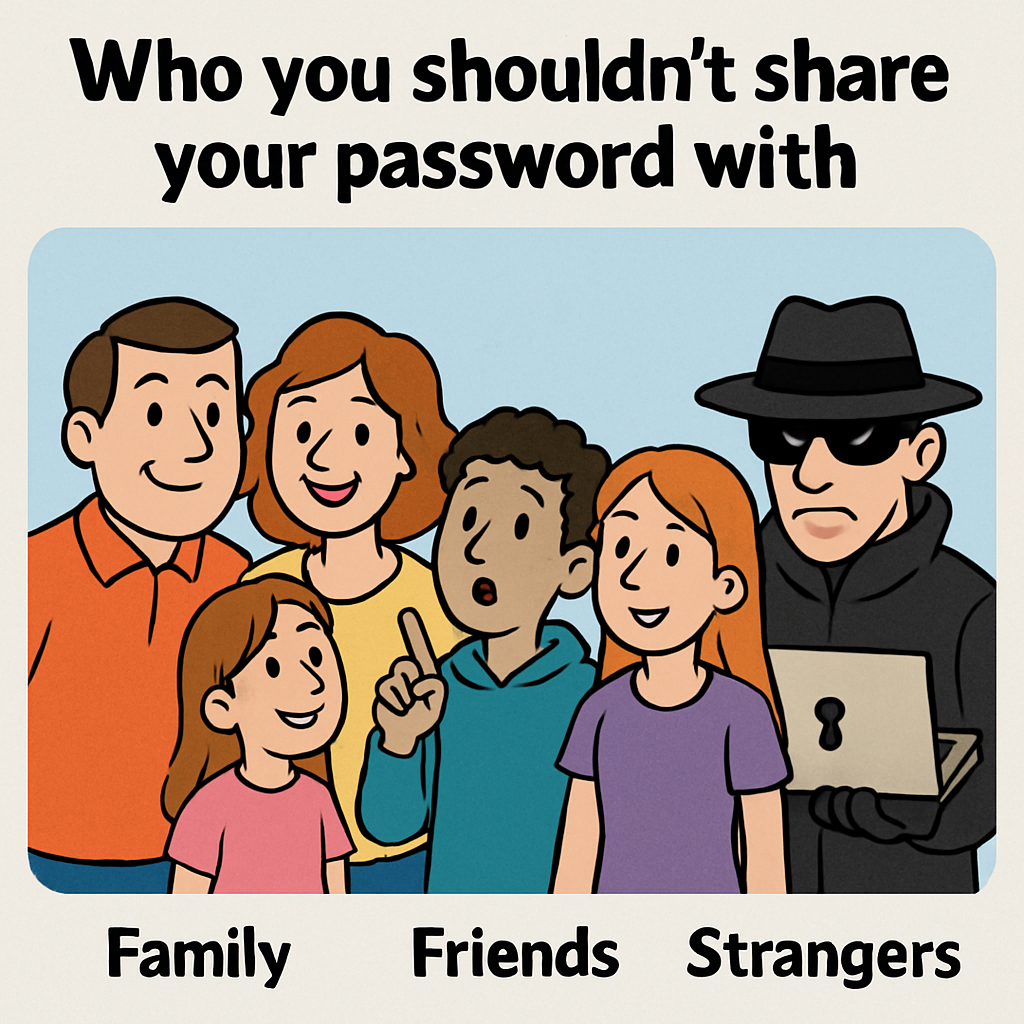 Who should you never share your password with?
Passwords are private. Sharing them can put your account at risk, even if the person seems nice. The safest rule is simple: passwords are not for sharing.
Here are people and situations where you should never share your password:
- Friends or classmates: They might tell someone else, or use your account “as a joke.” Even jokes can cause big problems.
- Online friends (people you meet in games or social media): Online, people can pretend to be someone else. You don’t really know who is behind the screen.
- Anyone who asks for it: This includes people who say “I need it to help you,” or “I’ll give you something.” Real websites and apps do not need your password from you.
5 - What if someone asks for your password?
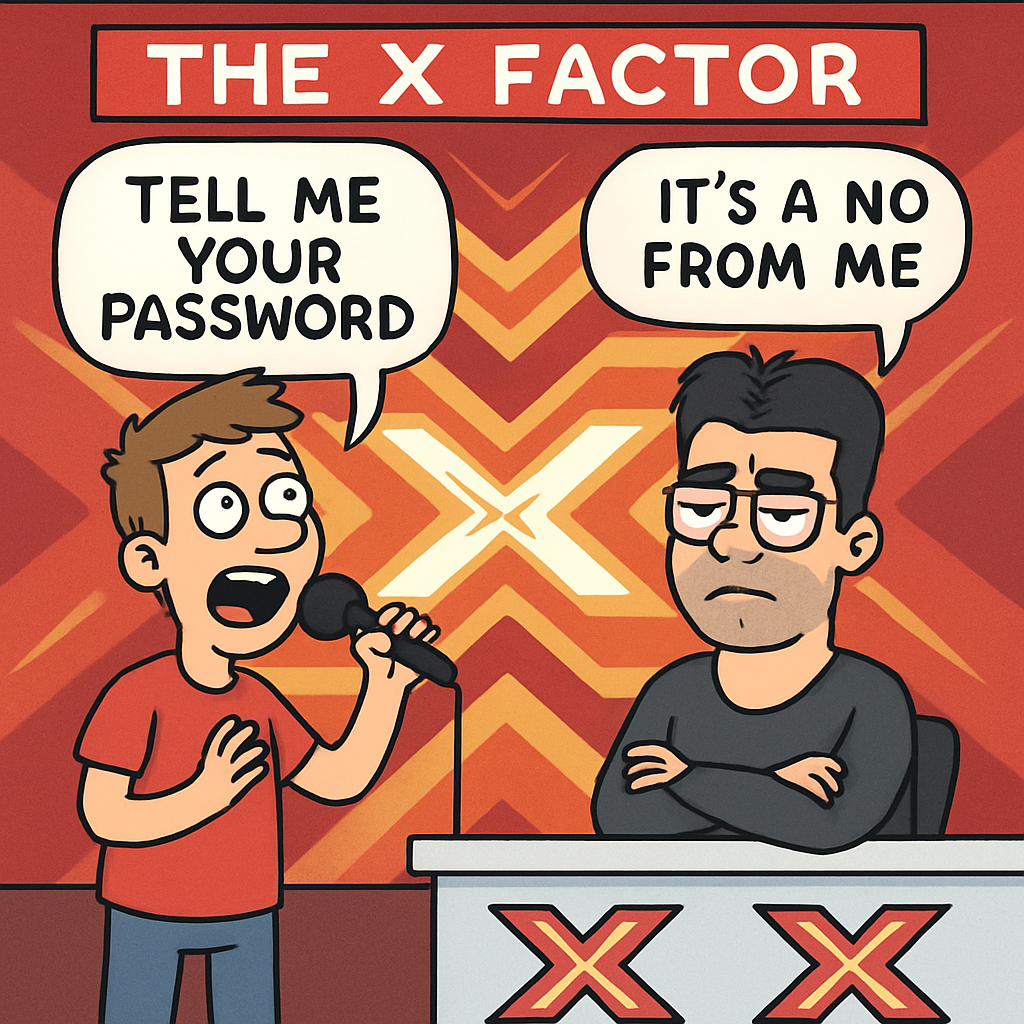 What if someone asks for your password?
If someone asks for your password, it can feel awkward or scary — but you can handle it. The most important thing to remember is: passwords are private.
Here’s what to do:
- Say no (politely and clearly): “No. I don’t share my password.” You don’t need to explain more than that.
- Tell a trusted adult: Let a parent/guardian/teacher know what happened so they can help you stay safe.
- Don’t give in to pressure: If someone promises prizes, threatens you, or tries to make you feel guilty, it’s still a no. Walk away and get help.
By saying no and telling an adult, you stay in control of your account and your safety.

Unlock the Full Learning Experience
Get ready to embark on an incredible learning journey! Get access to this lesson and hundreds more on our learning platform.
This lesson is copyright of Coding Ireland 2017 - 2025. Unauthorised use, copying or distribution is not allowed.