1 - Understanding Personal Information
 Personal information is anything that can help someone figure out who you are or where you are.
It’s the kind of information you keep private — only for you and your trusted adults.
Personal information is anything that can help someone figure out who you are or where you are.
It’s the kind of information you keep private — only for you and your trusted adults.
Sometimes sharing personal information online can cause problems. Strangers might try to contact you, trick you, or use what you shared in a mean way. That’s why we use STOP – THINK – CHECK before we post, message, or click.
Examples of personal information
- Full name
- Home address
- Telephone number
- Email address
- Date of birth
- School name or location
- Photos or videos that show your face or where you are
2 - Risks of Sharing Personal Information
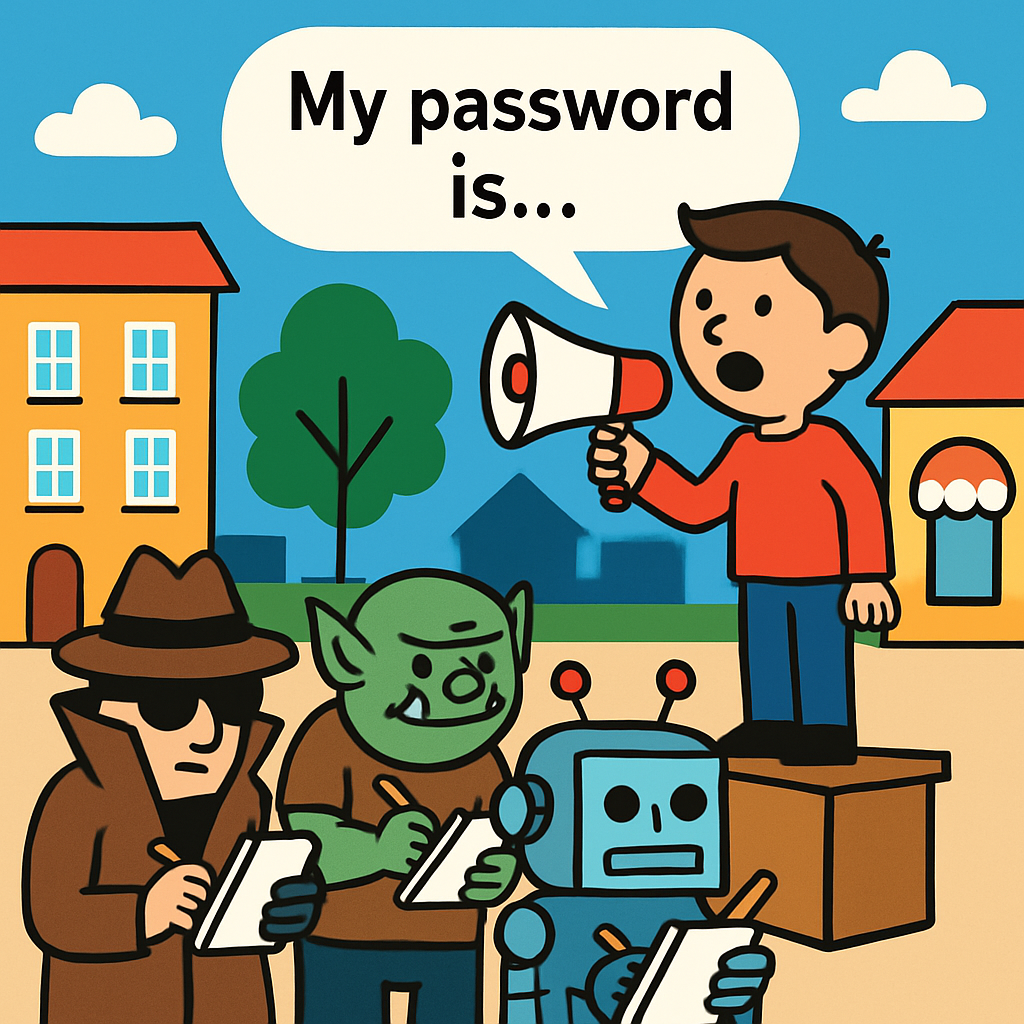 Sharing personal information online can be risky. Things can spread fast online, and once something is shared, it can be hard to take back.
That’s why it’s important to understand the dangers and make safe choices.
Sharing personal information online can be risky. Things can spread fast online, and once something is shared, it can be hard to take back.
That’s why it’s important to understand the dangers and make safe choices.
Sometimes people online try to get your personal information on purpose. They might act friendly, offer prizes, or ask “normal” questions. But if they get your details, it can lead to problems. Knowing the risks helps you protect yourself.
Main risks of sharing personal information online
- Identity theft — someone could pretend to be you using your details.
- Cyberbullying — people might use what you shared to upset you or embarrass you.
- Unwanted contact — strangers might message you again and again.
- Phishing scams — tricky messages that try to fool you into giving private information.
3 - Identity Theft
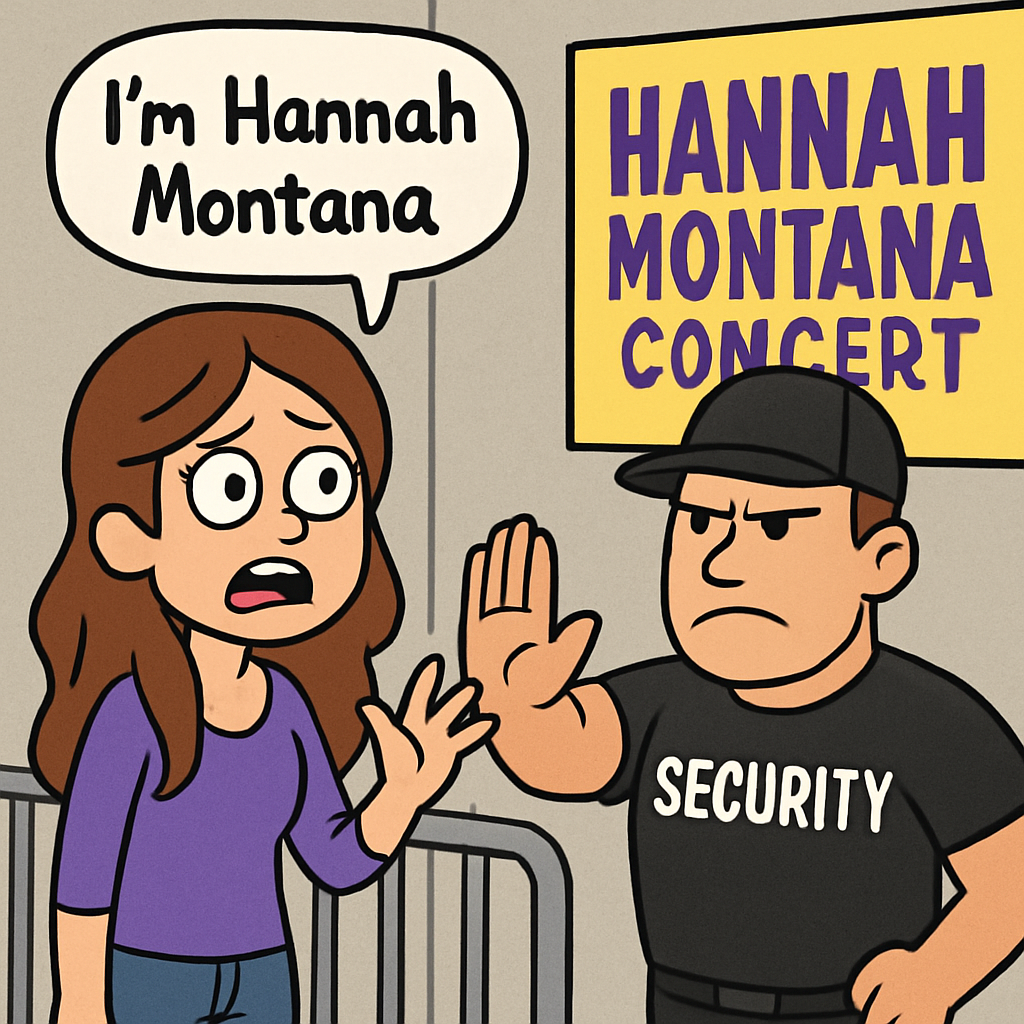 Identity theft is when someone steals personal information and pretends to be you.
It’s very serious and it’s not fair — but the good news is there are simple ways to protect yourself.
Identity theft is when someone steals personal information and pretends to be you.
It’s very serious and it’s not fair — but the good news is there are simple ways to protect yourself.
How identity theft can happen
Sometimes people try to get personal information by tricking others. They might send fake messages, pretend to be helpful, or make a website look real when it isn’t. If someone gets enough details, they might try to use them in a wrong way.
Why it can be a problem
- Money trouble for adults — it can cause problems for families and accounts.
- People might blame you for something you didn’t do.
- It can feel scary and stressful — but you can always get help from trusted adults.
How to protect yourself
- Don’t share personal information with strangers or in public places online.
- Keep passwords secret and make them hard to guess.
- Watch out for tricky messages that ask for details or say “click now!”.
- If something feels wrong: STOP – THINK – CHECK, and TELL a trusted adult.
4 - Scenario Activity
Test your knowledge about avoiding unwanted contact from strangers. Read each scenario and pick the safest action. You will get instant feedback and a short “why”.
Scenario 1
A stranger messages you on social media and asks for your phone number to “chat more”.
Scenario 2
Someone you don’t know sends a friend request and asks for your school name to “confirm” they go nearby.
Scenario 3
In a game, a player you just met asks for your location so you can meet up in real life.
5 - Cyberbullying
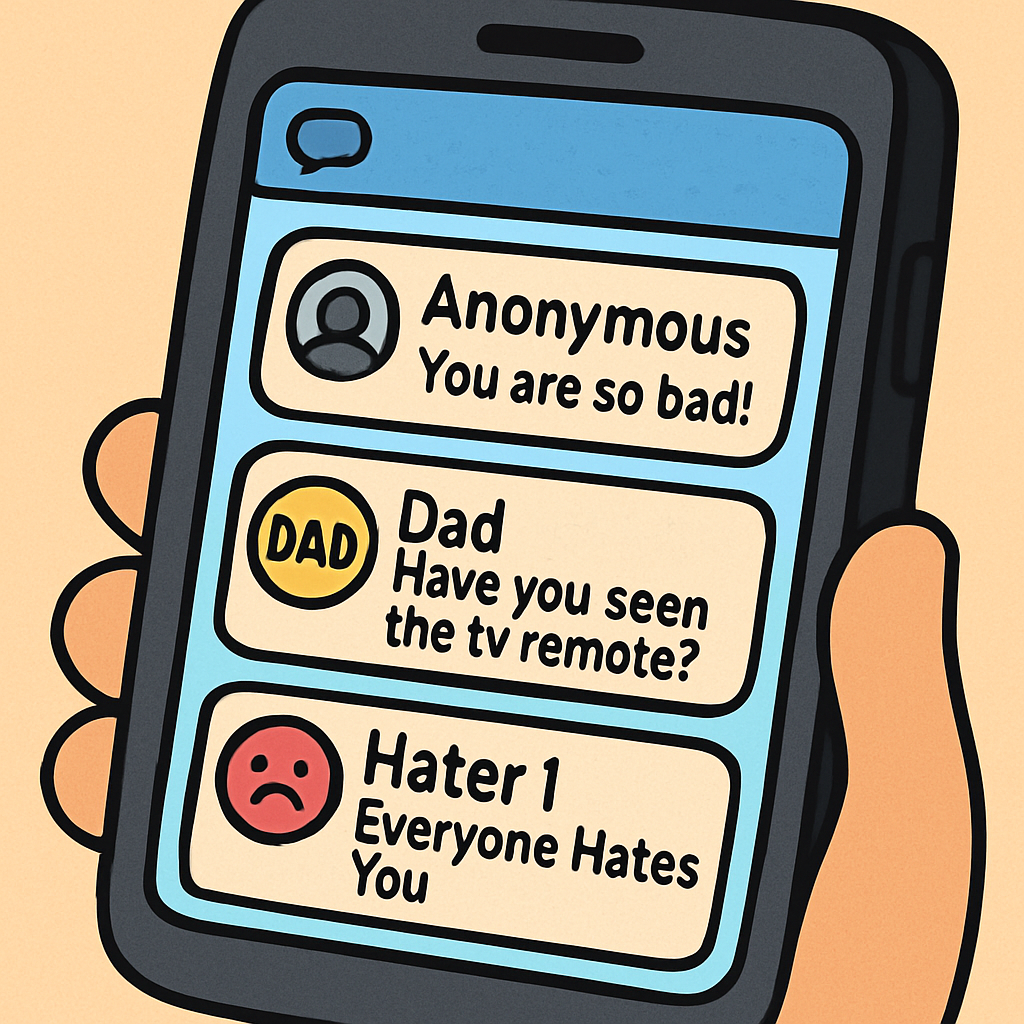 Cyberbullying is when someone uses phones, games, or social media to be mean on purpose.
It can be hurtful messages, spreading rumours, or sharing pictures without permission.
Cyberbullying is when someone uses phones, games, or social media to be mean on purpose.
It can be hurtful messages, spreading rumours, or sharing pictures without permission.
How cyberbullying can happen
Cyberbullying can happen in messages, group chats, games, or comments. Sometimes bullies hide behind fake names, so it can be hard to know who they are.
Sharing personal information can make it easier for bullies to target you (like using your name, school, or location). That’s why keeping personal information private is a smart safety step.
How it can make someone feel
- Upset or worried (it can feel scary).
- Left out (it can affect friendships).
- Hard to focus (it can affect schoolwork and sleep).
How to protect yourself
- Keep personal information private (don’t post your name, school, or address publicly).
- Use privacy settings so only people you trust can see your posts.
- Don’t reply to mean messages (replying can make it worse).
- Use BLOCK – REPORT – TELL and get help from a trusted adult.

Unlock the Full Learning Experience
Get ready to embark on an incredible learning journey! Get access to this lesson and hundreds more on our learning platform.
This lesson is copyright of Coding Ireland 2017 - 2025. Unauthorised use, copying or distribution is not allowed.