Mathematics
Intermediate
50 mins
Teacher/Student led
+65 XP
What you need:
IWB/Projector/Large Screen

Comparing and Ordering Positive and Negative Integers

Use a number line to compare and order positive and negative integers, discovering that further left always means smaller — regardless of digit size.
Teacher Class Feed

Load previous activity

    1 - Getting Started ~4 mins

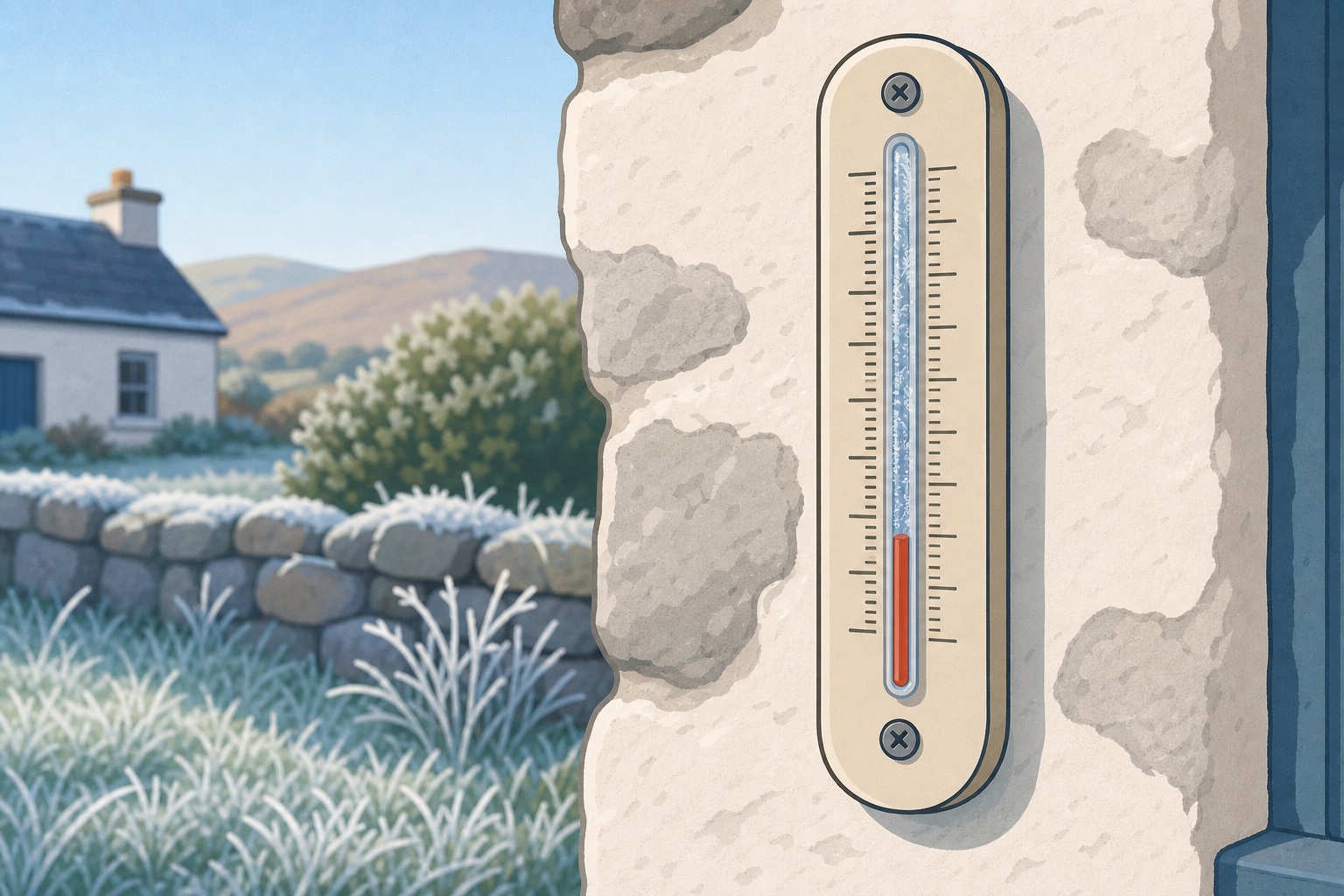
    Illustration for Getting StartedHere are two winter temperatures from the same cold night: 8 °C and 3 °C.

    Key point

    First question: which one is colder? Hands up when you have decided.

    Now the tricky one: which one is the bigger number? These two questions might not give you the same answer, and that is exactly what we are going to sort out. Be ready to say how you know.

    2 - Watch and Notice ~9 mins

    The interactive shows three pairs of numbers on a number line from −10 to 10. Watch where each one sits, left or right. Further left means smaller.

    3 - Try It Together ~11 mins

    Today we work these pairs of integers together, one at a time, on the board. An integer is just a whole number that can be positive or negative, with zero in the middle. For each pair, one pupil places both numbers on the line at the board; then the whole class decides which sign goes between them, < or >, and we write it up. If you are not the pupil at the board, your job is to watch the line and be ready to call the sign — that is how everyone takes part.

    Your job

    Watch the line and be ready to call the sign — that is how everyone takes part.

    We will start with 4 and 1 (a negative against a positive), then 9 and −2 (two negatives, wide apart), then 0 and −5 (zero against a negative), and finally 7 and −6 — two negatives sitting right beside each other, where you have to look carefully at which is that little bit further left.

    Where does each integer sit?

    4 - Write the Signs in Your Copy ~3 mins

    COPYBOOK MOMENT

    In your maths copy, write each pair of integers below and place the correct < or > sign between them. Then, underneath, order one full set of five integers from smallest to biggest.

    Before you start the five-number set, we will do one together on the board so everyone sees the method. Watch this set: 4, 2, −1, 0, −6. We place each one on the number line in our heads (or sketch a quick line), then read strictly from furthest left to furthest right. Furthest left is smallest, so the order is −6, −4, −1, 0, 2. That is the full method: line them up left to right, then write them in that order.

    • 5 ___ 2
    • 9 ___ −4
    • 0 ___ −3
    • 8 ___ −10
    • Order these smallest to biggest: 3, −7, 0, −2, 6

    5 - Class Challenge ~8 mins

    Key point

    Between placements, read a small set aloud in order from smallest to biggest as a class before you press Check. The Check button only confirms where a marker sits, not the spoken ordering.

    Now we place a series of integers on the −10 to 10 line, one at a time, and press Check on each placement. Between placements, the class orders a small named set aloud from smallest to biggest.

    Place the integers on the line

    Pupil practice
    Module 1 · Place Value, Decimals and the Number System Number
    Lesson 11 · Comparing and Ordering Positive and Negative Integers
    Download Activity Book page (PDF)
    123learn · Online learning platform

    Unlock the full learning experience

    You're previewing this lesson. Get full access to this lesson and hundreds more — each one ready to teach, with interactive activities, printable resources and pupil progress tracking built in.

    Hundreds of curriculum-aligned lessons
    Interactive activities in every lesson
    Printable resources & progress tracking
    Copyright Notice
    This lesson is copyright of Coding Ireland 2017 - 2025. Unauthorised use, copying or distribution is not allowed.
    🍪 Our website uses cookies to make your browsing experience better. By using our website you agree to our use of cookies. Learn more
