Mathematics
Intermediate
50 mins
Teacher/Student led
+80 XP
What you need:
IWB/Projector/Large Screen

Comparing Two Fractions

Develop strategies to compare two fractions with different denominators using common denominators, benchmarking to one half, or comparing numerators. Practise choosing the most efficient method for each pair.
Teacher Class Feed

Load previous activity

    1 - Getting Started ~4 mins

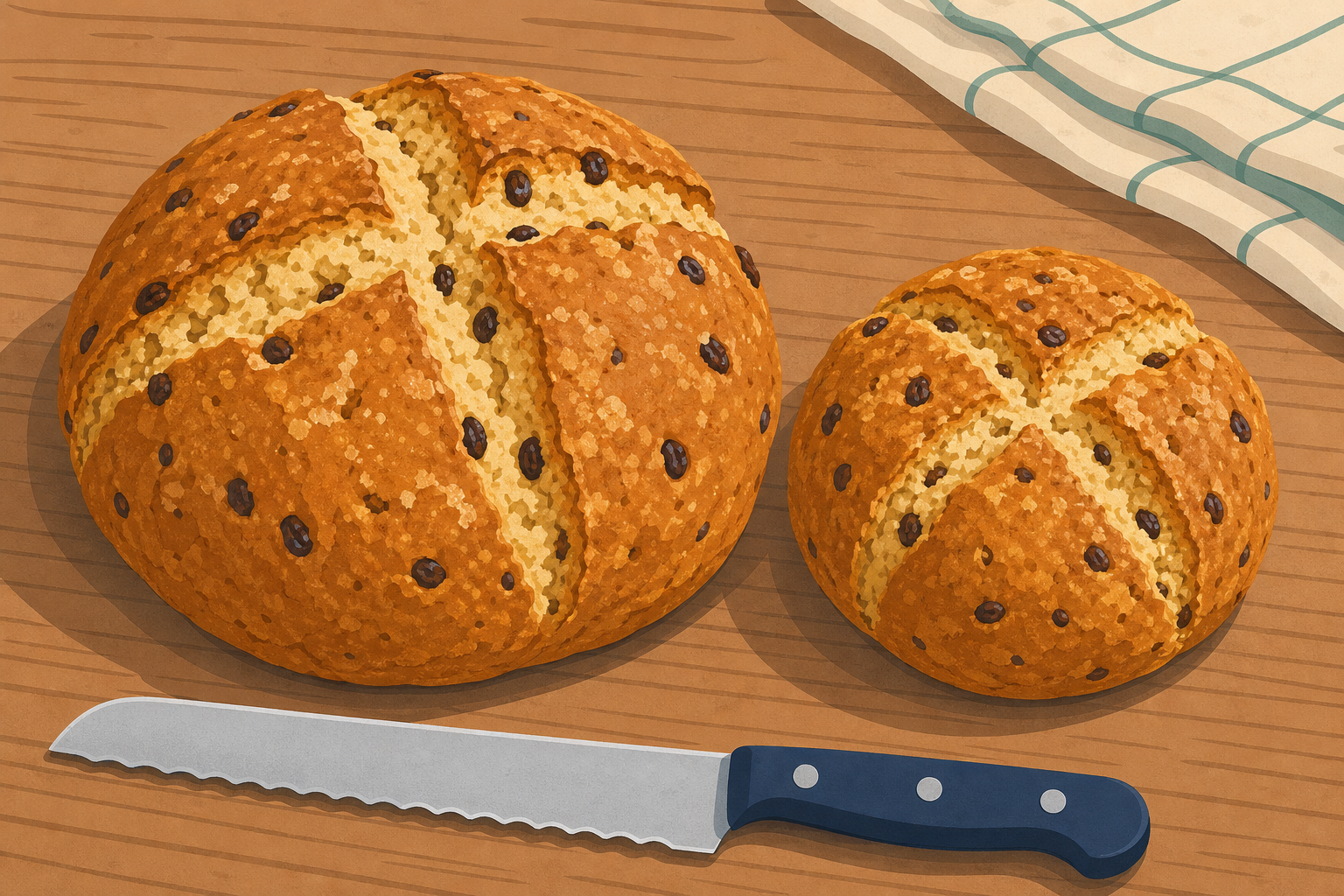
    Illustration for Getting StartedHere are two fractions: 3/4 and 5/6. Which one is bigger?

    Watch out

    This one is trickier than comparing 3/4 and 1/4. When the bottom numbers are different, your gut can point the wrong way. What could we do to settle it for certain?

    2 - Watch and Notice ~10 mins

    Each pair shows two strips of the same length, cut into different numbers of pieces. Watch how we decide which fraction is bigger — sometimes by matching the pieces, sometimes with a quicker check. See if you can predict the winner before it appears.

    3 - Try It Together ~10 mins

    The board has two twelfths strips, an eighths strip and a fifths strip, all blank to start. We build each of these pairs together, one at a time: 1/2 versus 1/4, then 3/8 versus 1/2, then 3/4 versus 3/5, then 3/4 versus 2/3. Each pair asks a bit more of us than the last. Before we shade each one, predict which strategy fits best: common denominator, benchmark to a half, or common numerator (same top number). When a fraction has no strip of its own, build it on a twelfths strip: six twelfths is one half, three twelfths is one quarter, nine twelfths is three quarters and eight twelfths is two thirds.

    Compare the pairs together

    4 - Work the Comparison in Your Copy ~2 mins

    COPYBOOK MOMENT

    In your maths copy, work each comparison and put the correct sign between the two fractions. For each pair, choose the smartest strategy — sometimes you re-write over a common bottom number, and sometimes you spot a quicker route.

    Write these three pairs, one under the other:

    • 2/3 and 3/4
    • 5/8 and 3/4
    • 4/9 and 4/11

    The first two pairs are easiest over a common bottom number. The last pair, 4/9 and 4/11, has the same top number, so you do not need to convert — just compare the slice sizes. Circle the bigger fraction in each pair.

    5 - Class Challenge ~8 mins

    Key point

    Today we work through these comparisons: 5/6 versus 7/8, then 3/10 versus 2/5, then the stretch 7/12 versus 5/8. Each one is a step trickier than the last. Predict the bigger fraction before we shade and check.

    Which fraction is bigger?

    Pupil practice
    Module 3 · Fractions, Decimals and Percentages Number
    Lesson 33 · Comparing Two Fractions
    Download Activity Book page (PDF)
    123learn · Online learning platform

    Unlock the full learning experience

    You're previewing this lesson. Get full access to this lesson and hundreds more — each one ready to teach, with interactive activities, printable resources and pupil progress tracking built in.

    Hundreds of curriculum-aligned lessons
    Interactive activities in every lesson
    Printable resources & progress tracking
    Copyright Notice
    This lesson is copyright of Coding Ireland 2017 - 2025. Unauthorised use, copying or distribution is not allowed.
    🍪 Our website uses cookies to make your browsing experience better. By using our website you agree to our use of cookies. Learn more
