Mathematics
Intermediate
50 mins
Teacher/Student led
+80 XP
Teacher-led from the board. Pupils do not need a device, but can follow on one.

Completing Symmetrical Pictures Across a Mirror Line
Complete symmetrical pictures by finding the matching squares on the other side of a mirror line. Count each square's distance from the line to place its reflection exactly.
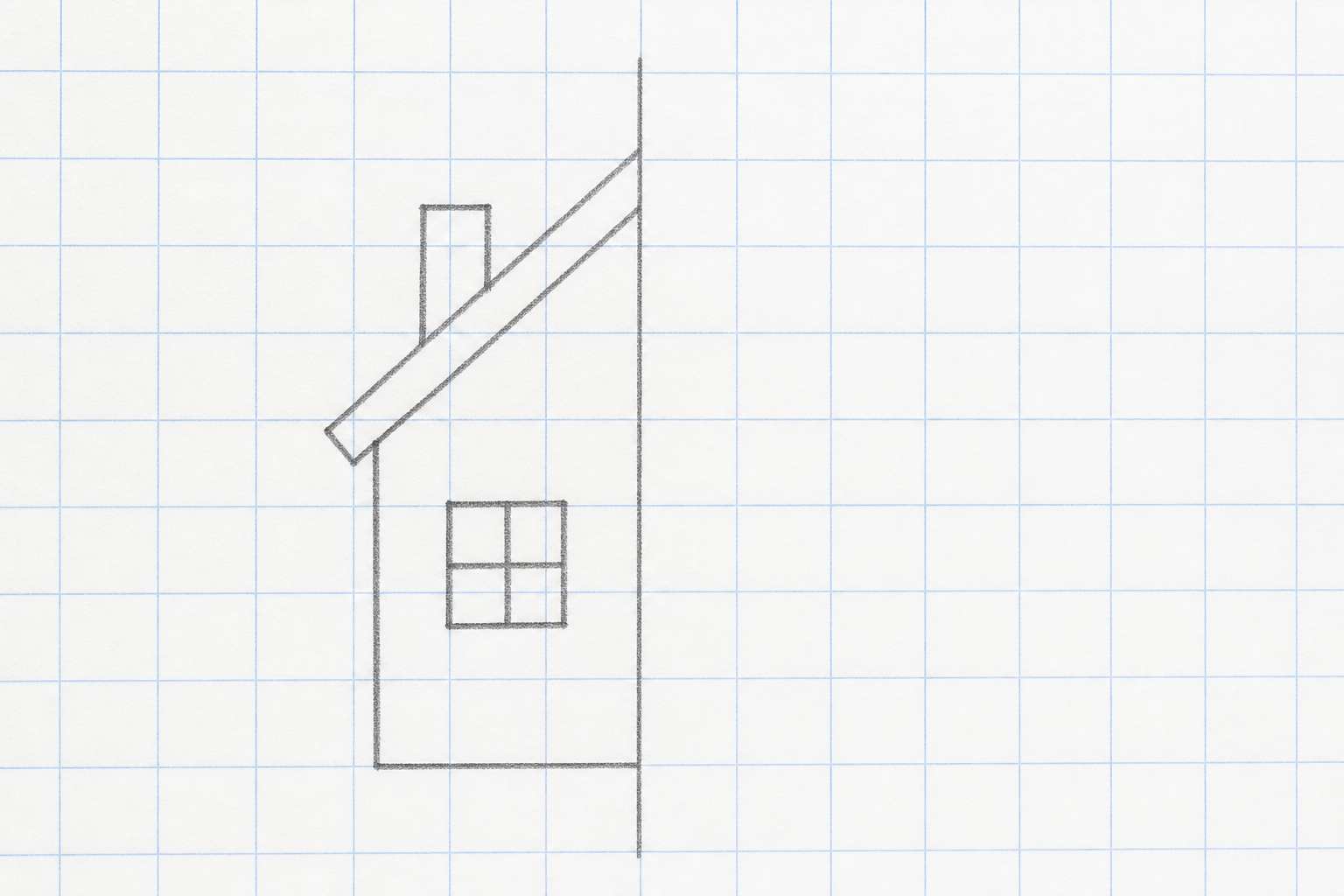 Here is half of a simple house, drawn right beside a straight line. Imagine a mirror standing up on that line. What would the missing half of the house look like in the mirror? Would the door move? Would the roof slope the other way?
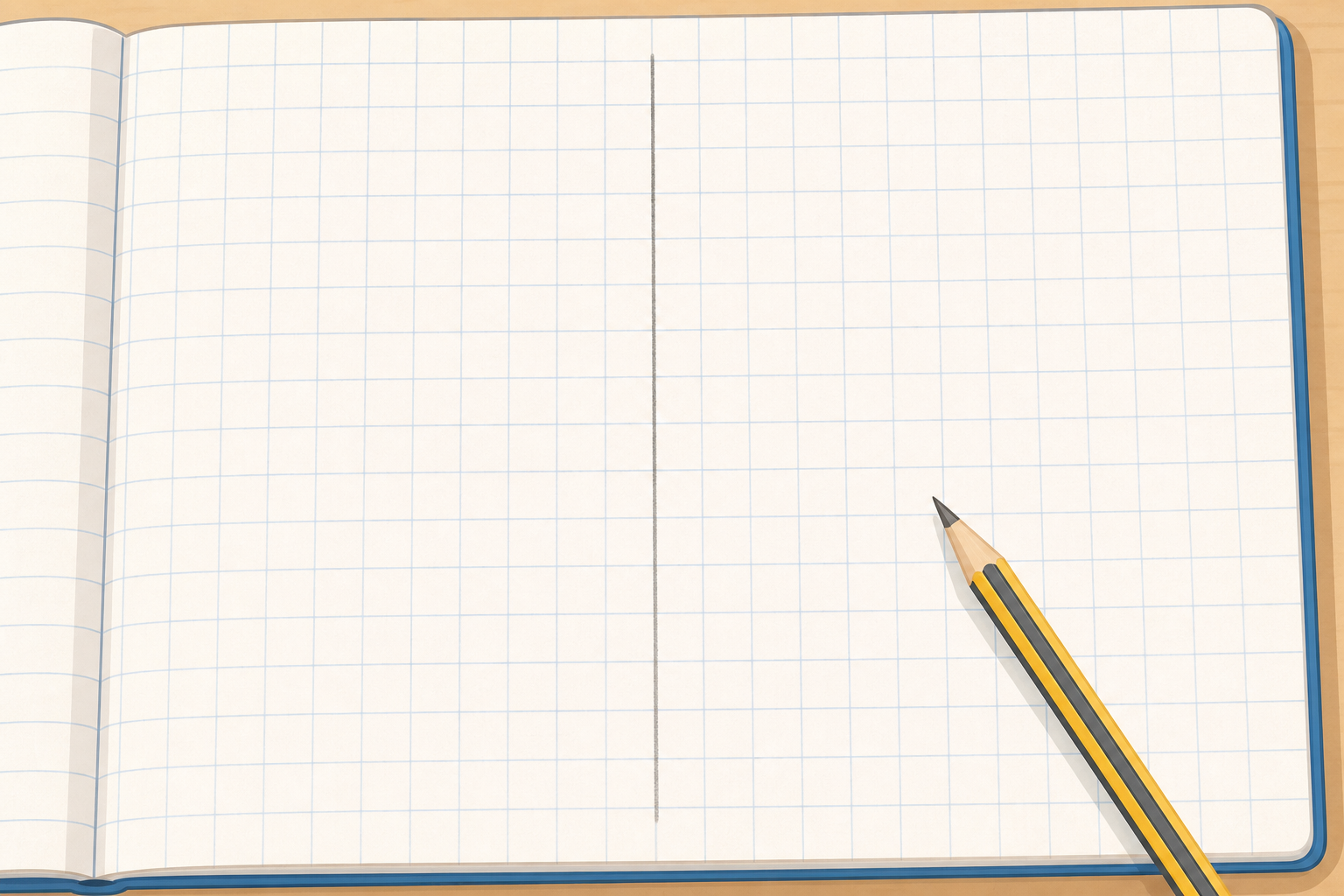 In your maths copy on squared paper, draw a vertical mirror line. Shade a small pattern of four squares on the left. Then shade its mirror image on the right, counting the squares from the line each time so every match lands the same distance away.