 Have you ever looked at a map of the world and wondered about all the different countries? Today, we are going to explore what makes each country special.
- Learn what a country is and how many there are.
- Find out how countries fit into continents.
- Discover why countries have different sizes and shapes.
- Learn about borders and neighbours.
- Explore what flags tell us about countries.
- Play a fun game to guess the flags.
By the end of this lesson, you will know the key facts about countries and be able to spot some flags.
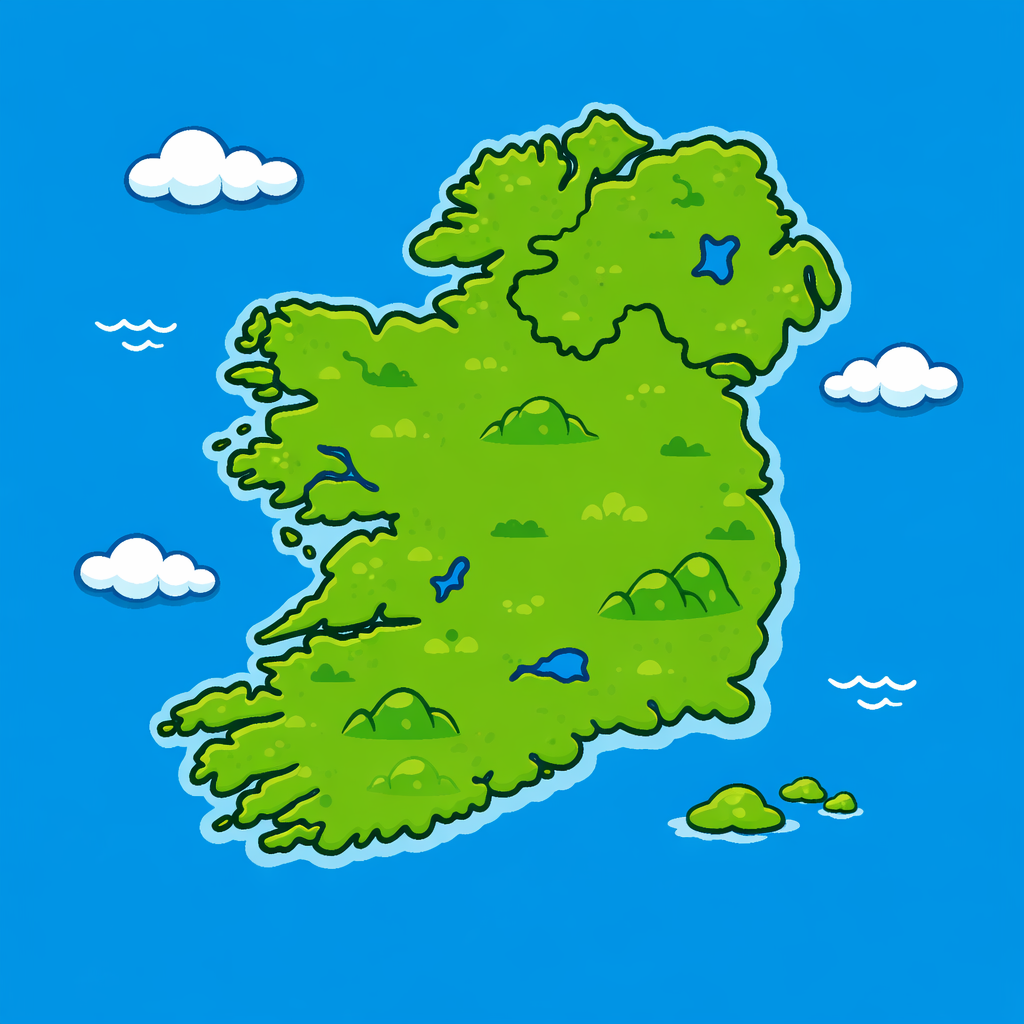 A country is a place where people live together under the same government and laws. Each country has its own borders, culture, and identity.
There are nearly 200 countries in the world, and each one is unique.
Countries can be large or small, and they can have different languages, traditions, and ways of life.
Countries have their own government, laws, and often a military and economy.
You can see countries marked on a world map, often with their names and flags.
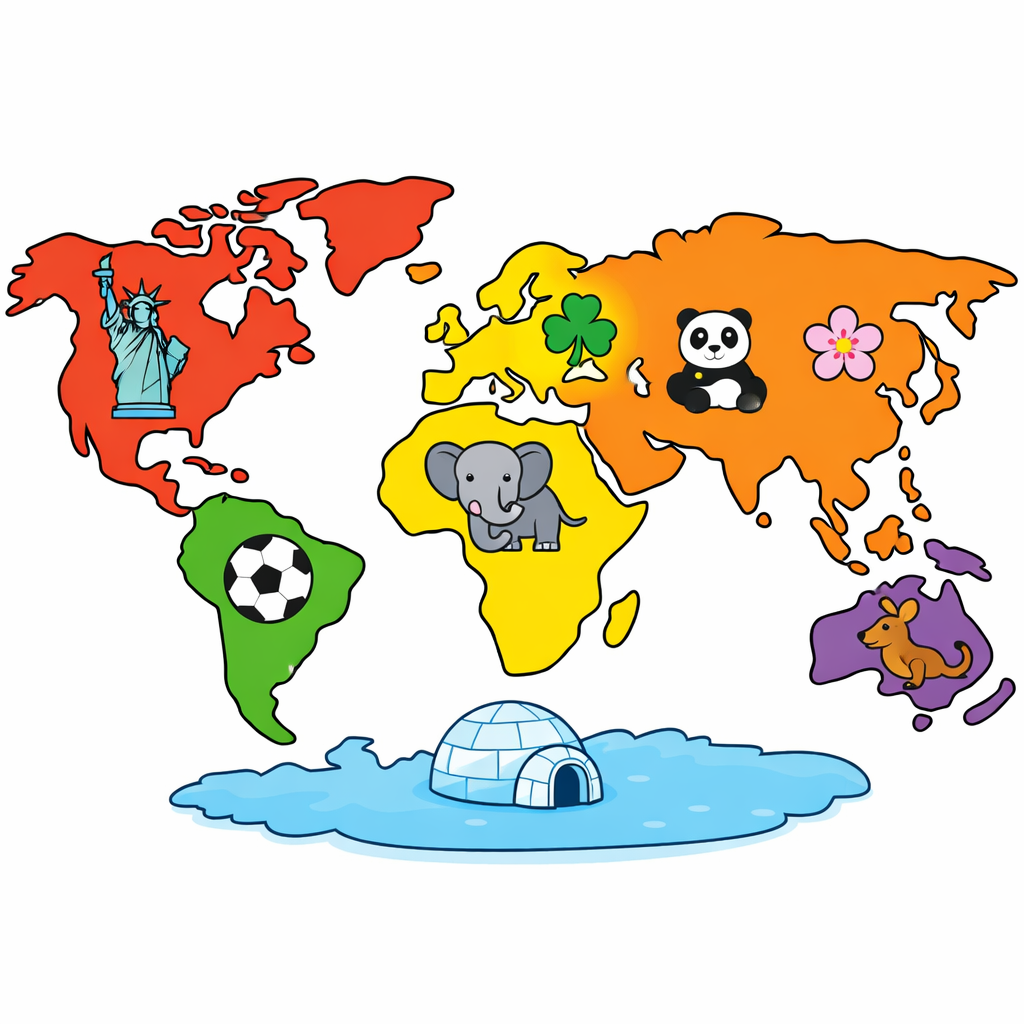 Countries are located within continents. Continents help us understand where countries are in the world and how they are grouped together.
- Ireland is in Europe
- Brazil is in South America
- Japan is in Asia
Each continent contains many countries, and countries in the same continent may share similar climates or traditions.
Learning about continents helps us place countries correctly on a map.
Europe and Asia are so close together that they are sometimes considered one huge continent called Eurasia. Over 100 countries are found across these two continents!
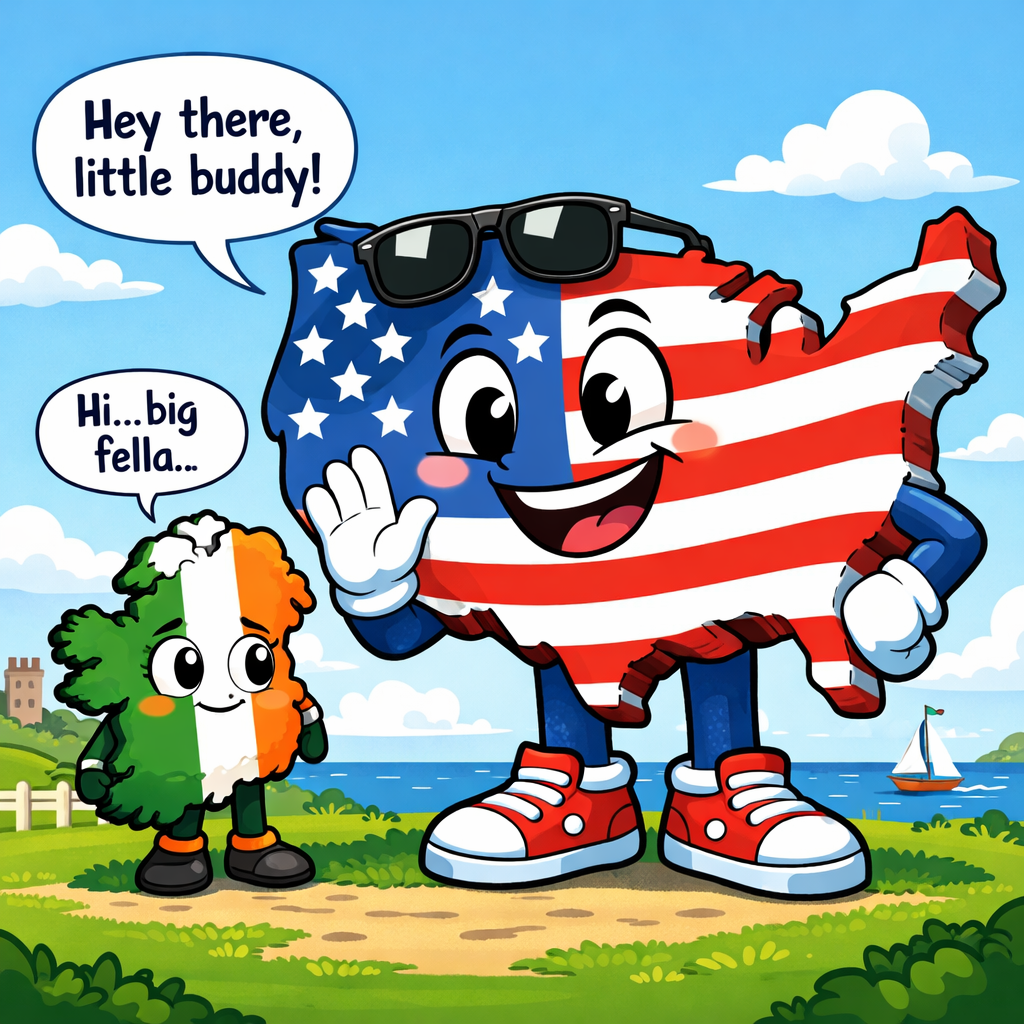 Countries can be very different in size. Some countries are huge and stretch across large parts of the world, while others are very small.
- Russia is the largest country in the world
- Vatican City is one of the smallest
Even though countries may be small, they can still have important cultures, histories, and traditions.
Size does not make a country more or less important — every country matters.
Russia is the largest country and covers more land than the dwarf planet Pluto. It stretches across 11 time zones!
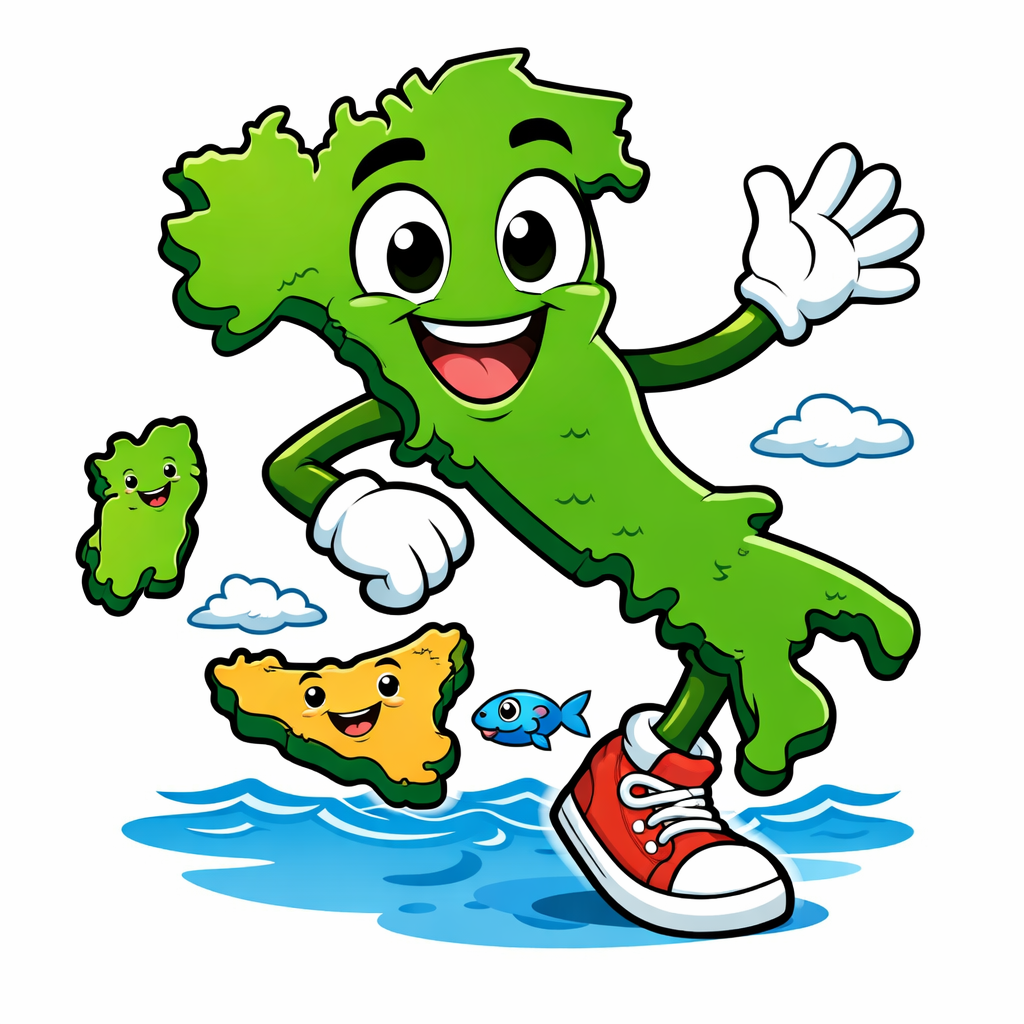 Countries can often be recognised by their shapes on a map. Some shapes are very easy to remember because they look like familiar objects.
- Italy looks like a boot
- Chile is long and narrow
- Japan is made up of islands
These shapes help people identify countries when looking at a globe or map.
Learning country shapes is like solving a puzzle of the world.
Chile is over 4,000 km long from north to south but only about 180 km wide at its widest – like a long, skinny ribbon along the coast of South America!
Unlock the full learning experience
You're previewing this lesson. Get full access to this lesson and hundreds more — each one ready to teach, with interactive activities, printable resources and pupil progress tracking built in.
This lesson is copyright of Coding Ireland 2017 - 2025. Unauthorised use, copying or distribution is not allowed.