Mathematics
Intermediate
50 mins
Teacher/Student led
+80 XP
Teacher-led from the board. Pupils do not need a device, but can follow on one.

Expressing Quantities in Related Place-value Terms
Learn to express the same quantity as a fraction, decimal and percentage using an interactive battery slider. Discover why 3/4, 0.75 and 75% all mean exactly the same amount.
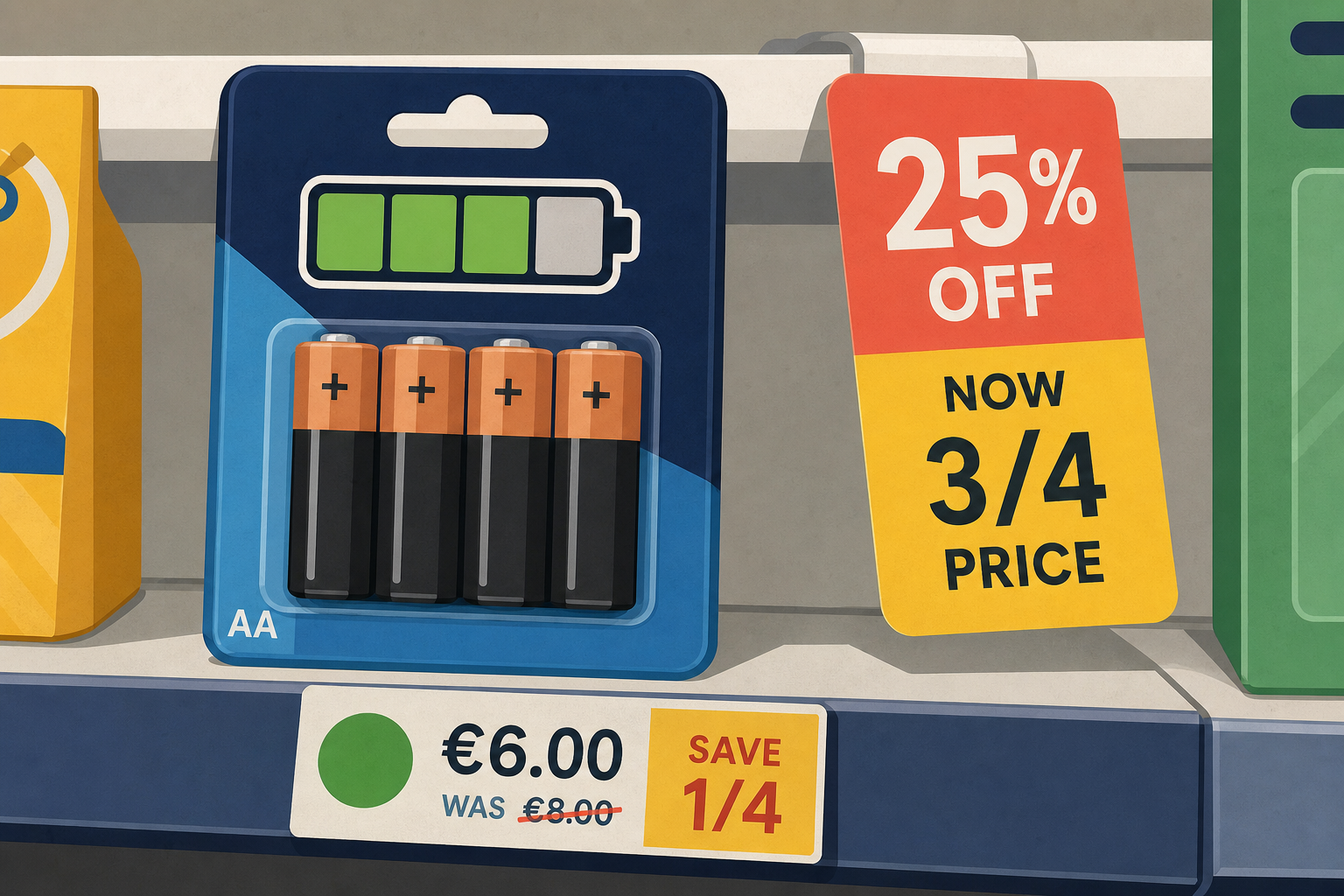 Here are three labels you might see on a shelf, a sale sign and a battery icon:
 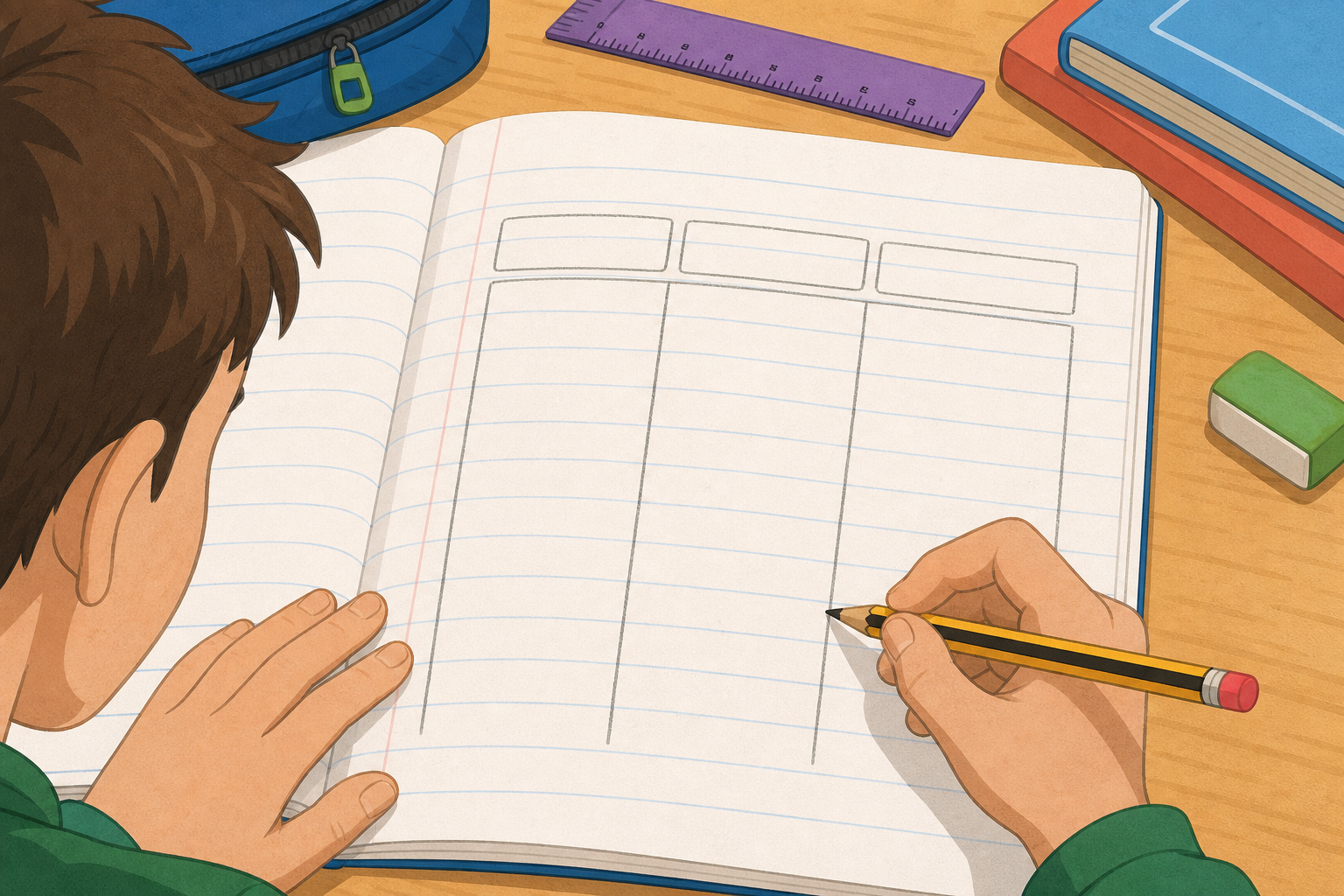 In your maths copy, write each of the amounts we looked at today three ways in a row — fraction, decimal, then percentage — one under the other, to build a short equivalence table. Use these amounts: