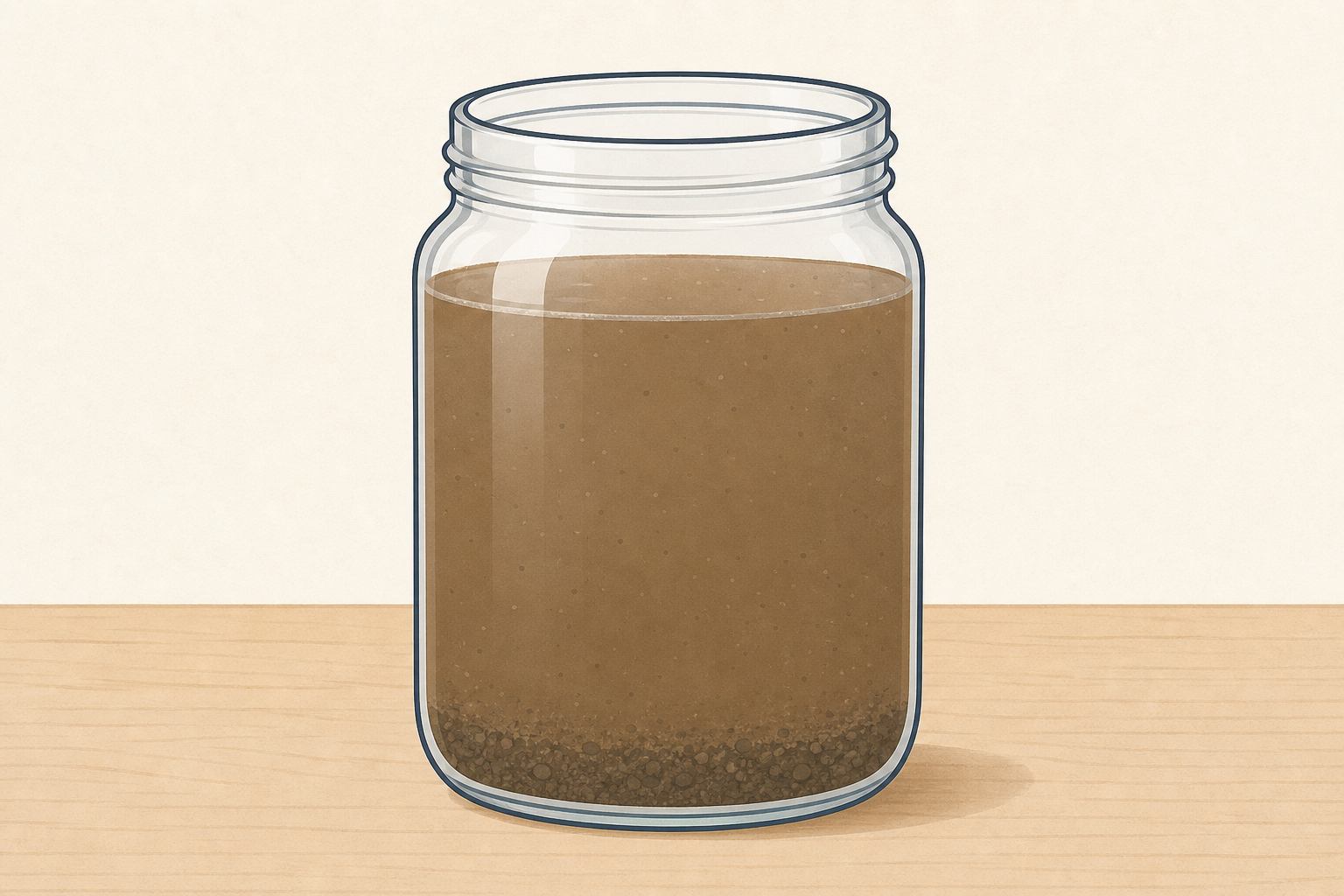
 Look at this jar of muddy water. Would you want this coming out of a tap at home? Today your group will design a filter to clean muddy water, then fair-test whose design works best.
What do you already know about getting dirt out of water from earlier in this project?
A filter traps unwanted bits as water passes through so the liquid that comes out is cleaner. Your filter design is which materials you choose and the order you stack them. Real water treatment is how water is cleaned so homes and schools can use it safely.
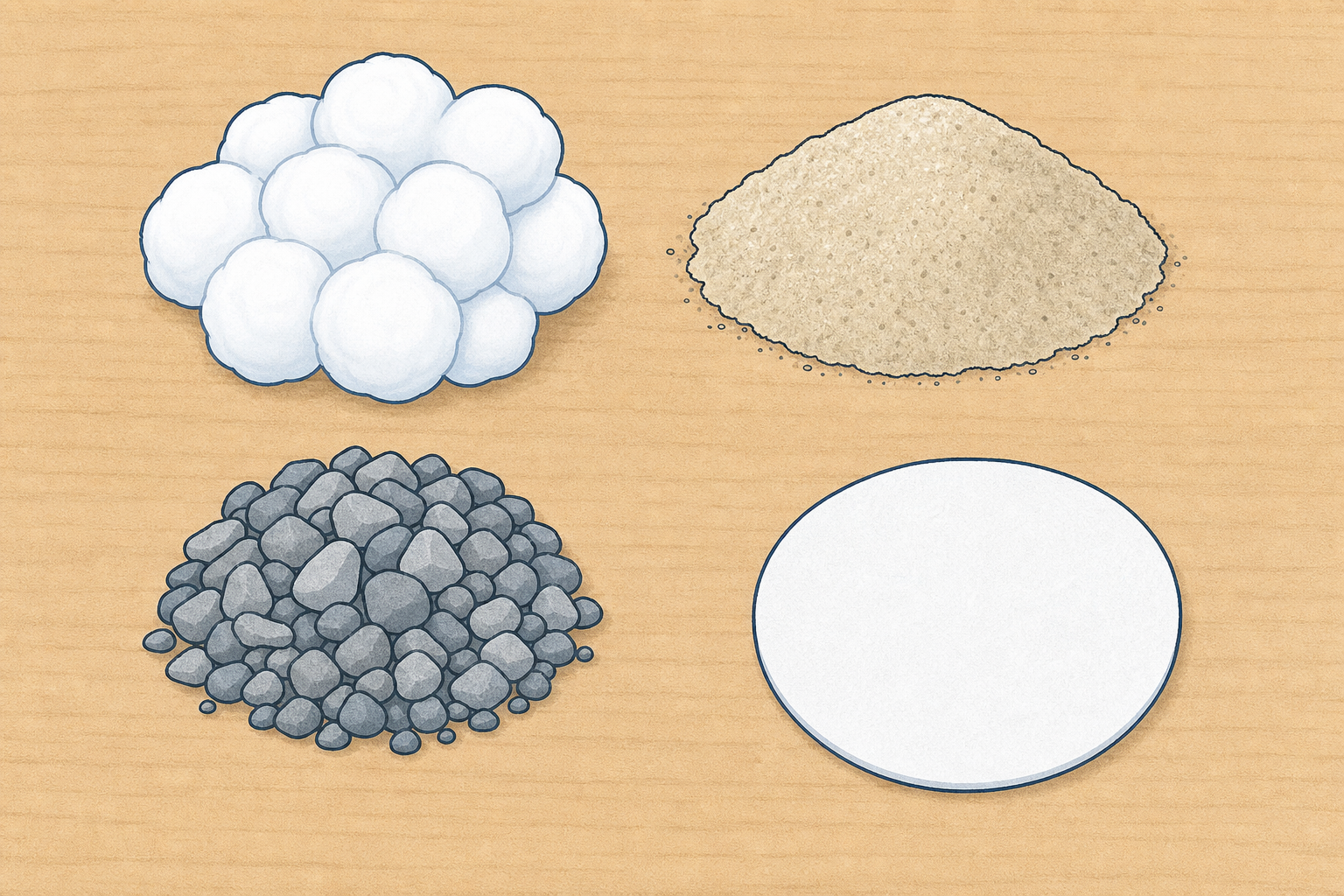 Your kit includes cotton wool, washed sand, washed gravel or small stones, and optional filter paper. Turn and talk for thirty seconds: which layer do you think should sit at the bottom of your bottle, and why? Then hands up to share one idea.
 Before we build, we plan a fair test. You will help sort five things about the test: the filter design, how clear the water is, amount of muddy water, the bottle size, and how long we wait.
Which one do we change? Which one do we measure? Which three must stay the same?
So that every group judges water the same way, we all use one scale: 1 very muddy, 2 mostly muddy, 3 half clear, 4 mostly clear, 5 almost clear. It stays up where you can see it while you test, so check it before you give your water a score.
Which filter design cleans muddy water best?
Your challenge: build a bottle filter that makes muddy water clearer. Use the kit on your table. Choose which layers to include and in which order. Label your design so another group could rebuild it.
Work as a group. Keep the outside of the bottle dry and stand it steadily over your clean collection cup.
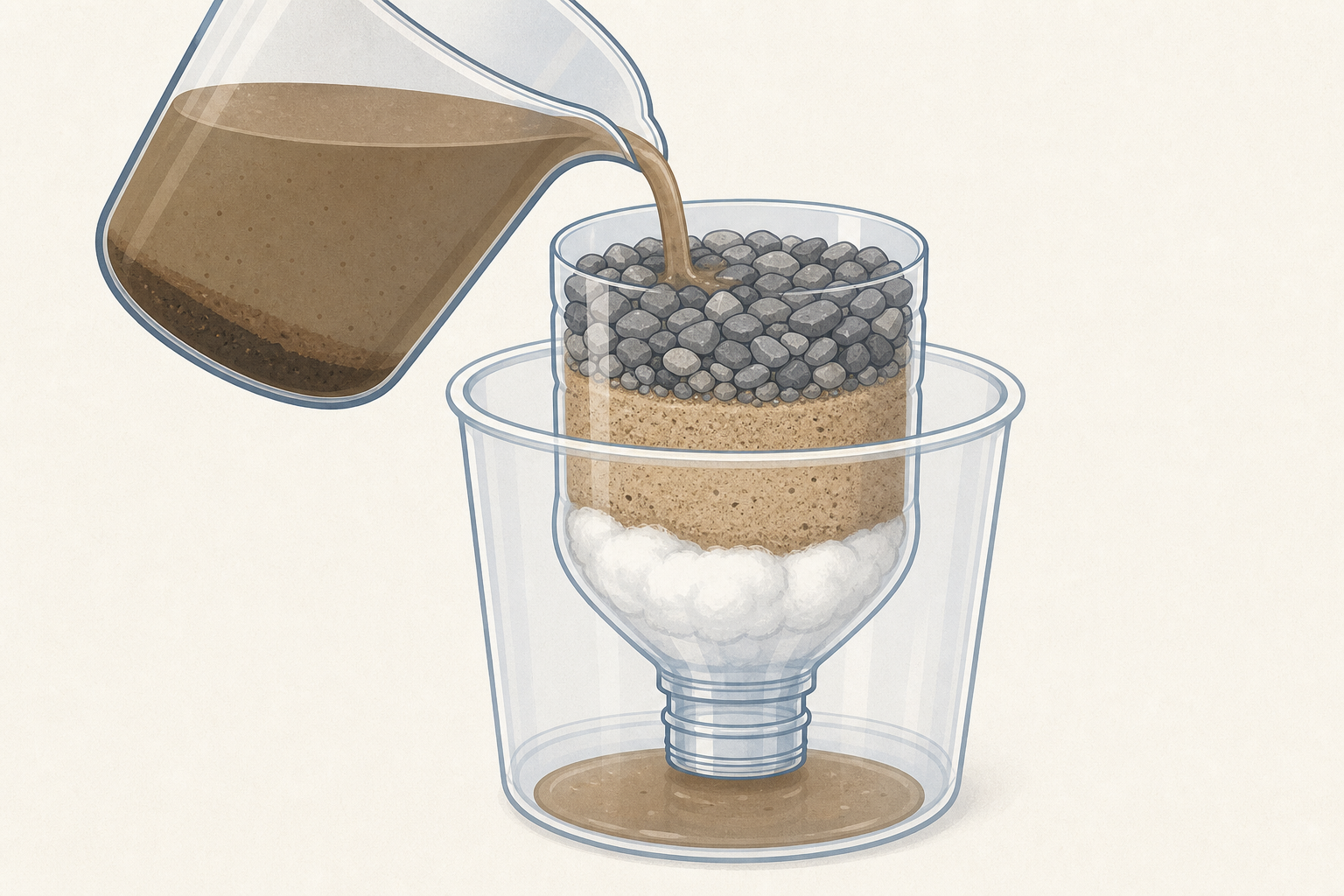 Fair-test time. Each group pours the same measured amount of stirred muddy water into their own filter. Wait together on the class countdown. Score clearness on the shared board scale (1 very muddy to 5 almost clear) and write that score on your bottle sticky note straight away.
When scores are ready, one runner from each group holds up the collection cup. We line them from muddiest to clearest and call designs and scores so everyone can see the class evidence.
Unlock the full learning experience
You're previewing this lesson. Get full access to this lesson and hundreds more — each one ready to teach, with interactive activities, printable resources and pupil progress tracking built in.
This lesson is copyright of Coding Ireland 2017 - 2026. Unauthorised use, copying or distribution is not allowed.