In-school workshops · Primary schools and libraries

Coding and STEM workshops for primary schools and libraries

Hands-on workshops we run in your classroom or library. Each one shows the curriculum area it supports and the key competencies children use, so you can plan it into your year.

Libraries: you can book these workshops for children's events too, so every card shows ages as well as classes.

Find a workshop for your curriculum focus

Starting a new curriculum area this year? Pick it below to see the workshops that support it.

Wellbeing SPHE · also STEM

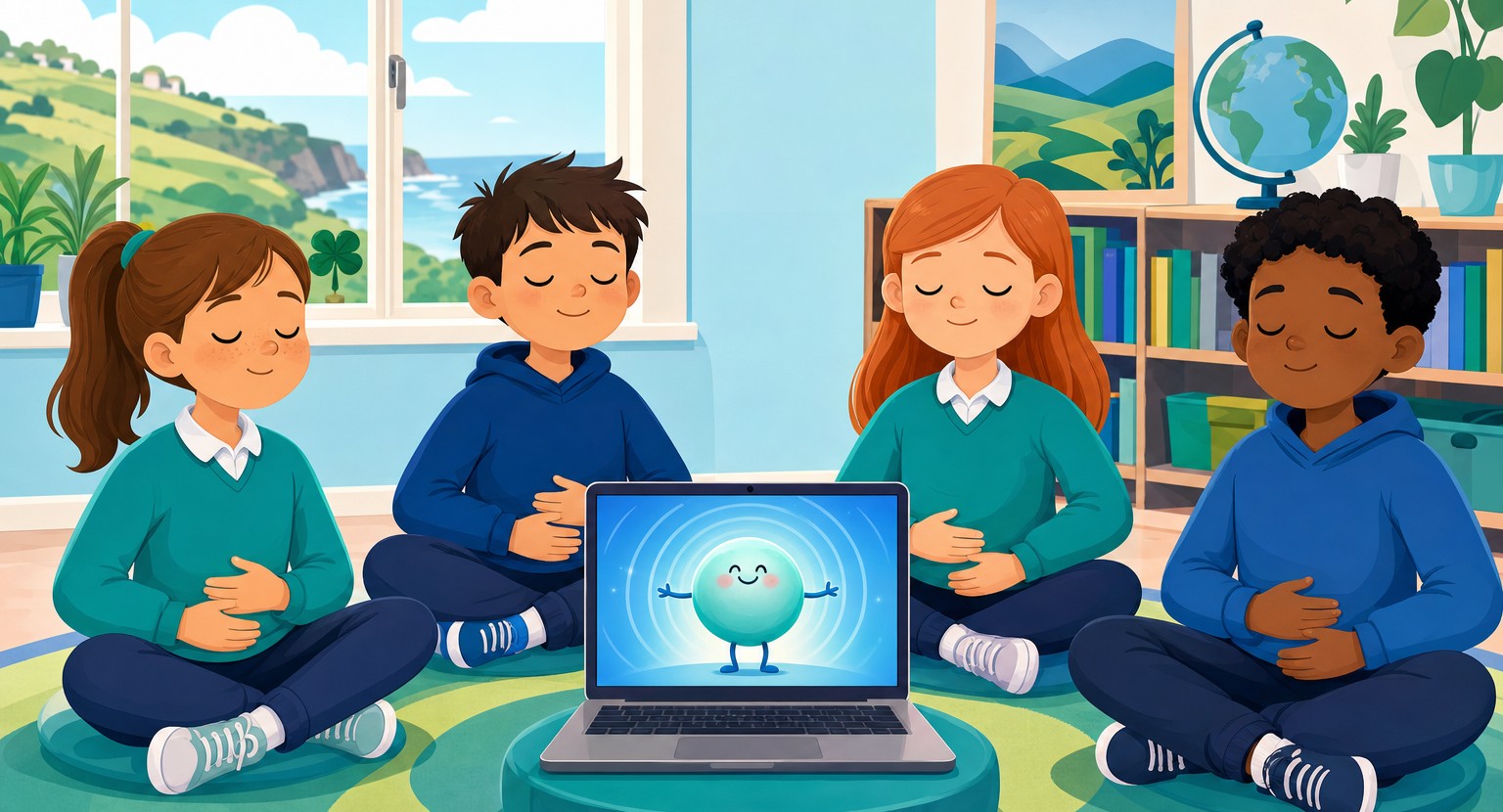
Code to Calm

Breathe • Code • Be

Children breathe, focus and create their own digital calm tool in ScratchJr or Scratch, with a version for each age group.

  • 1st–6th Class · ages 6–12
  • 60 minutes · No coding experience needed
  • Being well
  • Being a communicator and using language
Arts Education Music · also STEM

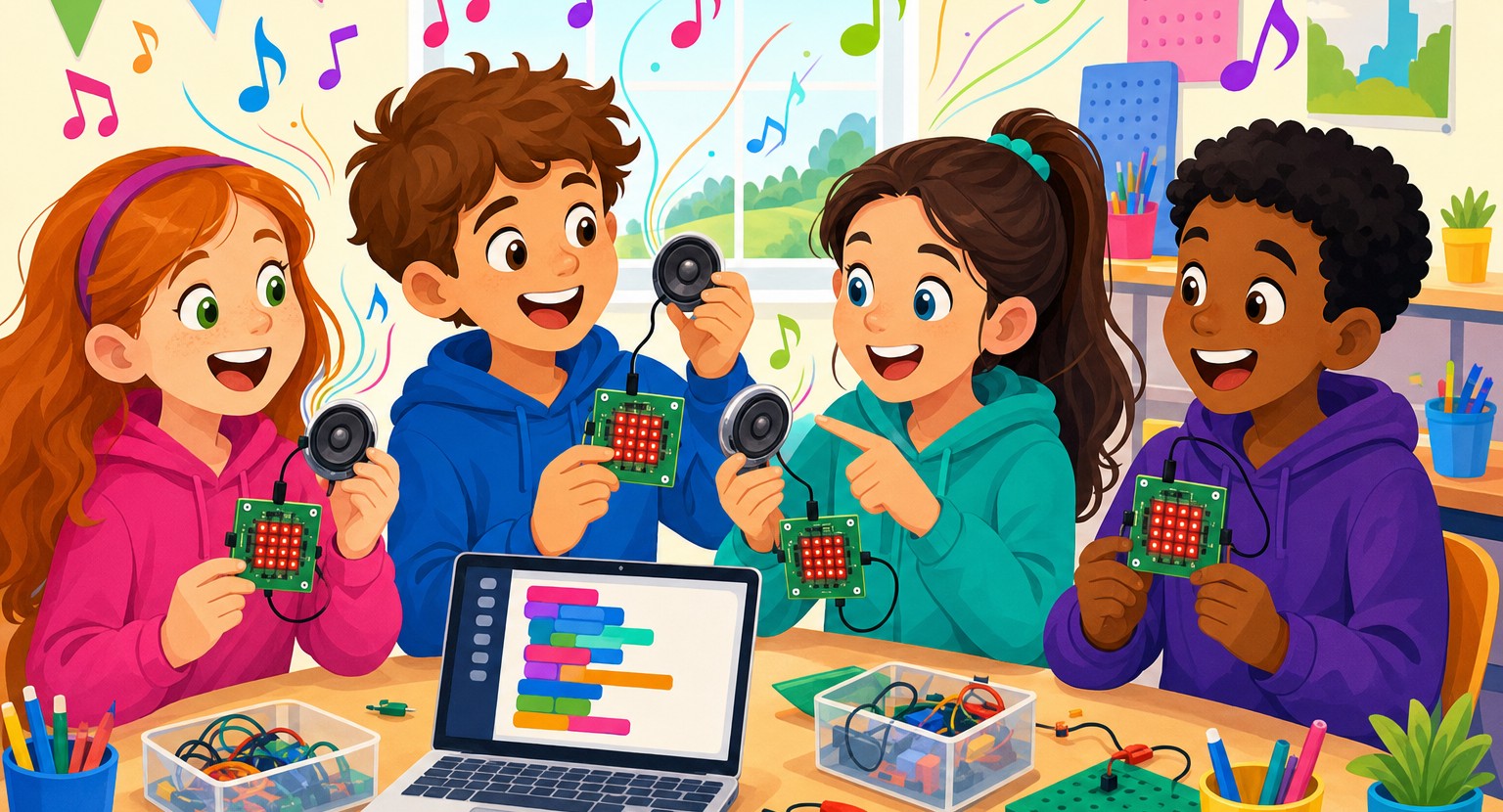
Beats and Bytes

Code • Create • Explore

Children code music onto a micro:bit, change the tempo, add their own sounds and compose a song of their own.

  • 3rd–6th Class · ages 8–12
  • 60 minutes · Hands-on
  • Being creative
  • Being mathematical
Arts Education Art and media arts · also STEM

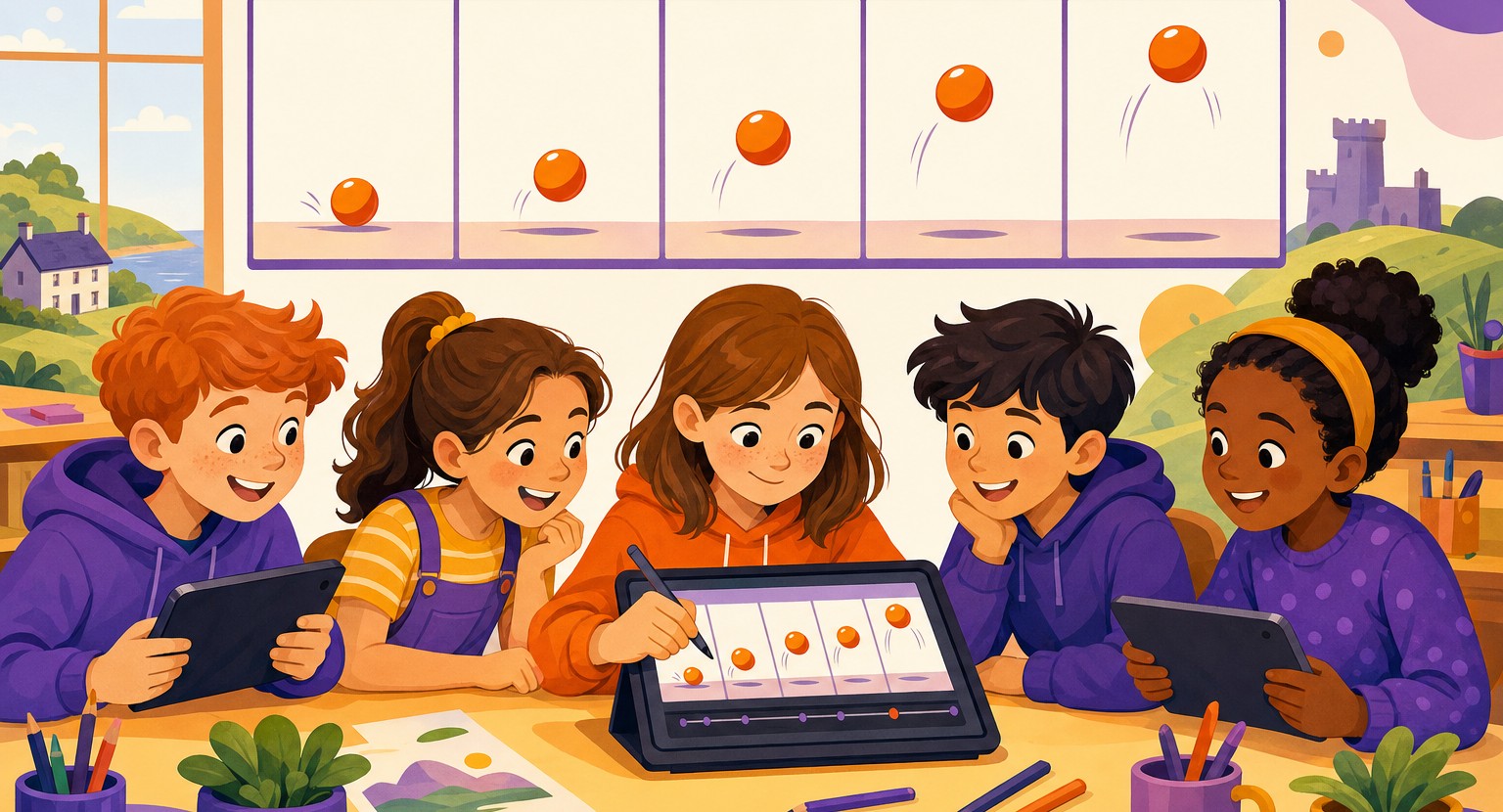
Frame by Frame

Draw • Move • Create

Children discover that movement is made of tiny changes over time, and leave with a looping animation they made themselves.

  • 3rd–6th Class · ages 8–12
  • 60 minutes · No accounts or downloads
  • Being creative
  • Being a digital learner
STEM Education Technology · also Arts

Introduction to Coding

Code • Create • Learn • Grow

A first coding adventure: children craft interactive stories in ScratchJr and build a personalised game.

  • Junior Infants–1st Class · ages 4–7
  • 60 minutes · iPads or laptops
  • Being a digital learner
  • Being creative
STEM Education Technology

Coding Fundamentals

Think • Code • Create • Play

Children find out what coding is and where it is used in the world, then create their first game in code.

  • 1st–2nd Class · ages 6–8
  • 60 minutes · iPads or laptops
  • Being a digital learner
  • Being mathematical
STEM Education Technology

Coding Essentials

Explore • Code • Create

Children explore how coding shapes the technology they use every day, then take their first steps by creating interactive projects of their own.

  • 3rd–6th Class · ages 8–12
  • 60 minutes
  • Being a digital learner
  • Being creative
STEM Education Technology and Engineering · also Arts

Make an Arcade Game

Plan • Code • Test • Play!

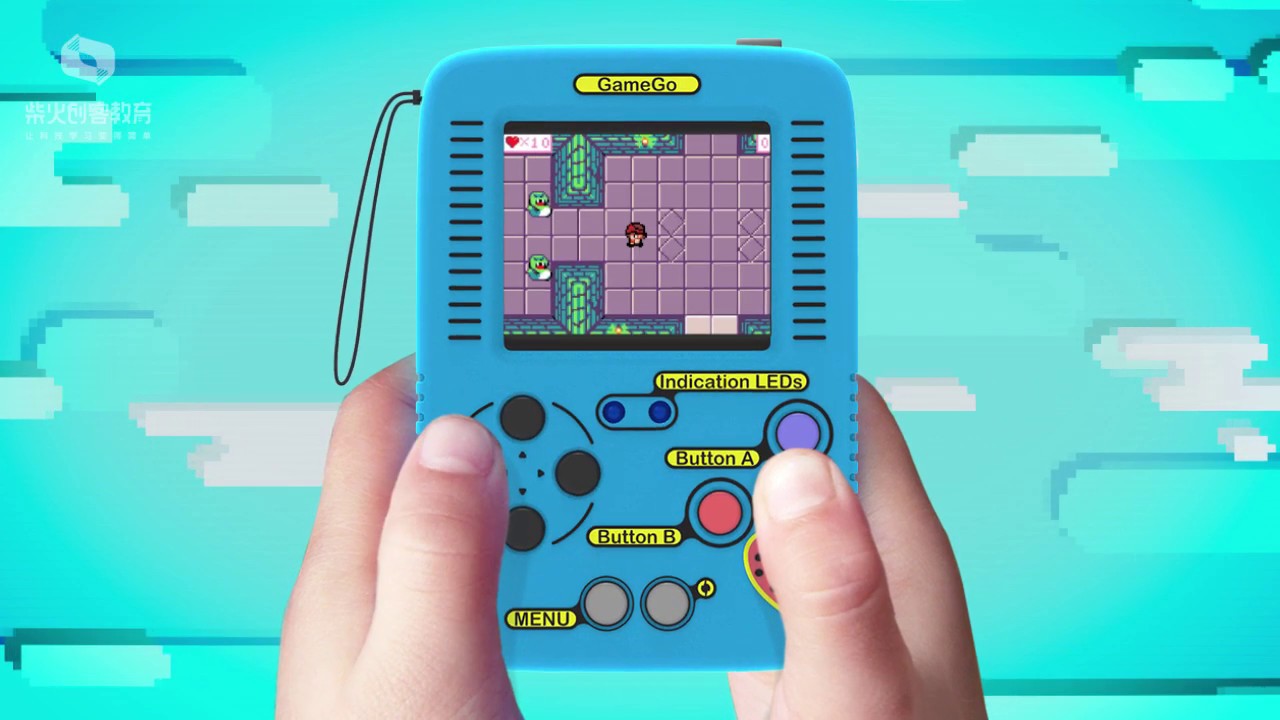
The classroom becomes a game design studio: children learn game mechanics, then code an arcade game they can play on handheld computers.

  • 3rd–4th Class · ages 8–10
  • 60 minutes · Beginner-friendly
  • Being creative
  • Being a digital learner
STEM Education Technology

AI Explorers Workshop

Train • Test • Play

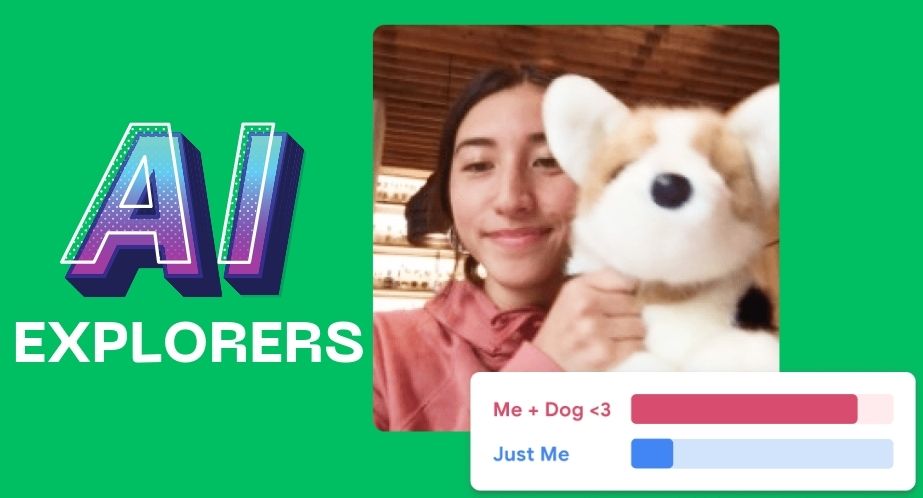
Children train AI models to recognise objects, facial expressions and hand gestures, then use them to control a game in Scratch.

  • 5th–6th Class · ages 10–12
  • 60 minutes
  • Being a digital learner
  • Being creative
STEM Education Technology · also Arts

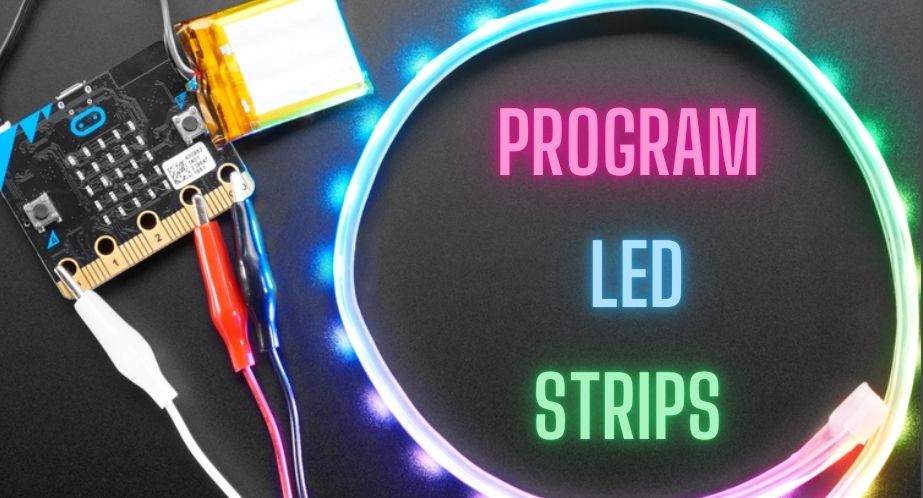
Program LED Light Strips

Connect • Code • Create • Shine

Children hook micro:bits up to LED strips and program colours, patterns and a light show of their own.

  • 5th–6th Class · ages 10–12
  • 60 minutes · Hands-on · No experience needed
  • Being a digital learner
  • Being creative
STEM Education Technology and Engineering

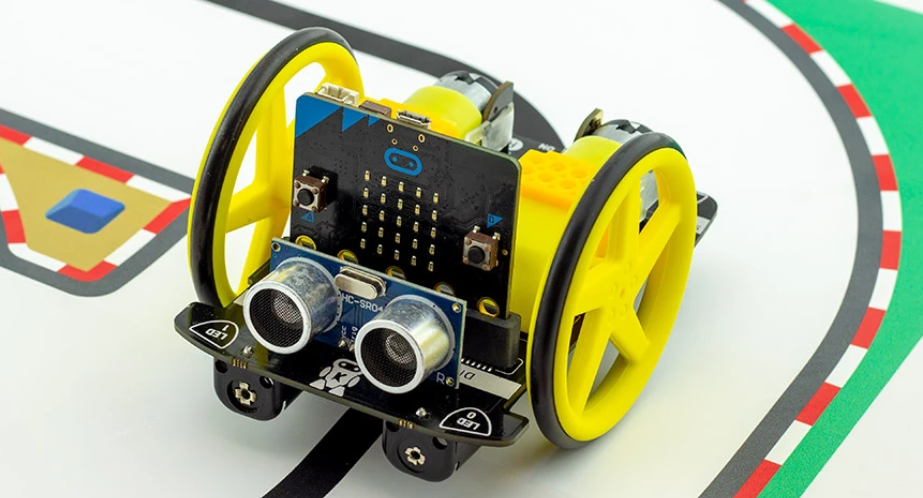
Race Autonomous Cars

Build • Program • Test • Improve

A team challenge: children program autonomous cars to race around a track, tweaking their code between runs.

  • 5th–6th Class · ages 10–12
  • 60 minutes · Team-based · Hands-on
  • Being mathematical
  • Being a digital learner

How the workshops fit the primary curriculum

Key competencies

Each card names the key competencies from the Primary Curriculum Framework that children use in the workshop, such as being a digital learner or being creative.

The class teacher stays central

The Wellbeing specification says external facilitators work under the guidance and supervision of the class teacher, who stays with the children at all times. Our workshops run the same way.

Flexible Time

The Primary Curriculum Framework gives every class Flexible Time each month: 5 hours at Stage 1, 6 hours at Stage 2 and 7 hours at Stages 3 and 4. Each school decides how best to use it, and a workshop can be part of that.

What Schools Are Saying About Our Workshops

Book a workshop

Make an enquiry and we will be in touch to plan the visit with you.

🍪 Our website uses cookies to make your browsing experience better. By using our website you agree to our use of cookies. Learn more