Intermediate
40 mins
Teacher/Student led
+70 XP
Pupils work on their own device
 Chromebooks, laptops, and PCs are crucial tools for coding and digital skills education. Chromebooks are ideal for web-based applications and collaborative projects, while laptops and PCs support a wider range of programming environments and software for more intensive tasks like software development and data analysis.
Editing Video with Clipchamp, Part 1: Import, Sequence and Trim
Students import three clips into Clipchamp, stack them on separate tracks and trim each to a set length, ending with a saved project that plays in order.
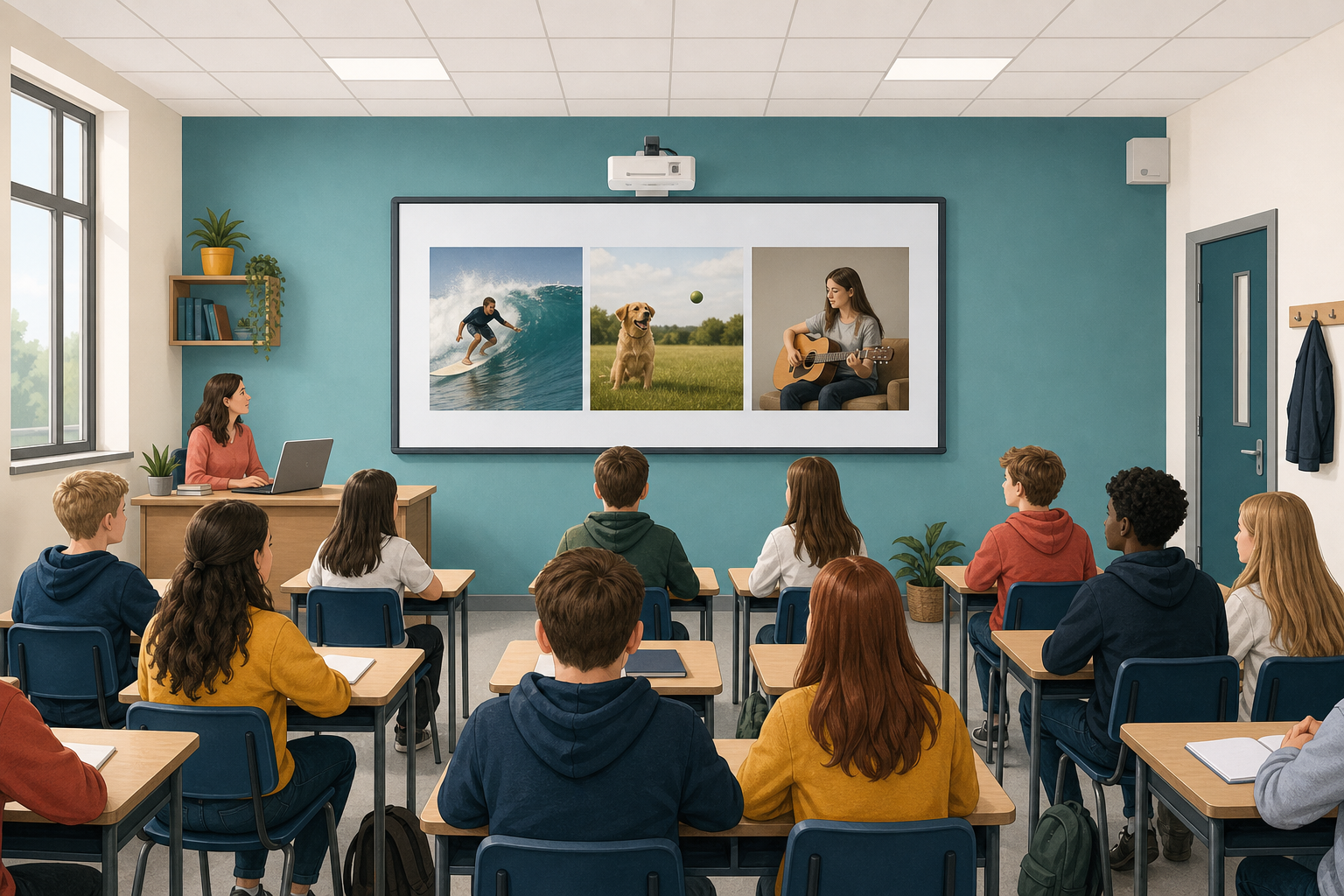 Your teacher will play you two versions of the same three clips, cut in a different order. Watch both, and decide what each version says happened.
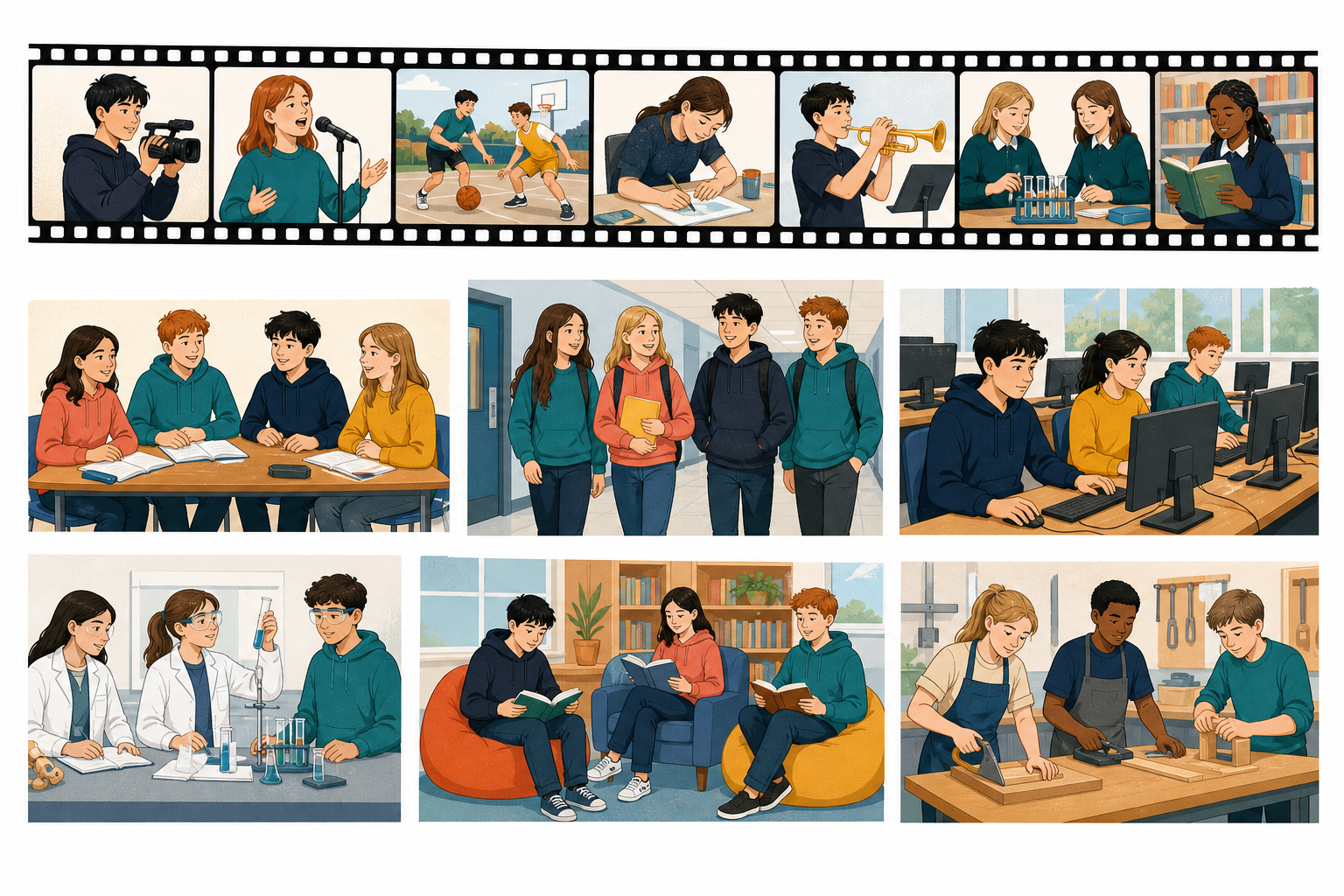 A video editor shows your footage as a timeline: a strip running left to right, where left is the start and right is the end.