1 - Getting Started ~3 mins
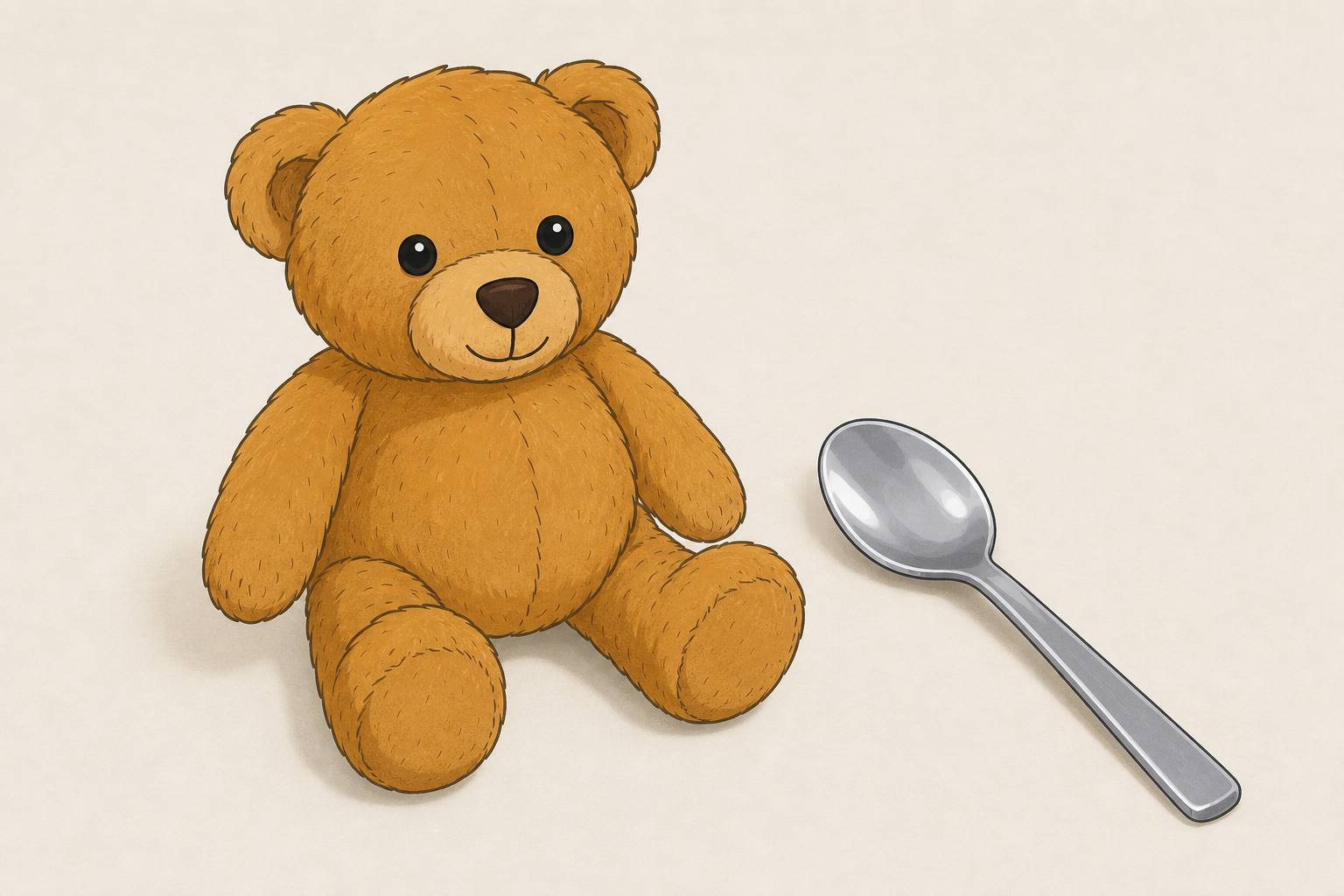 Watch and listen. Here is a teddy and a spoon. Which one looks squashy? Which one looks firm? Some friends will help us feel.
2 - Hard and Soft ~3 mins
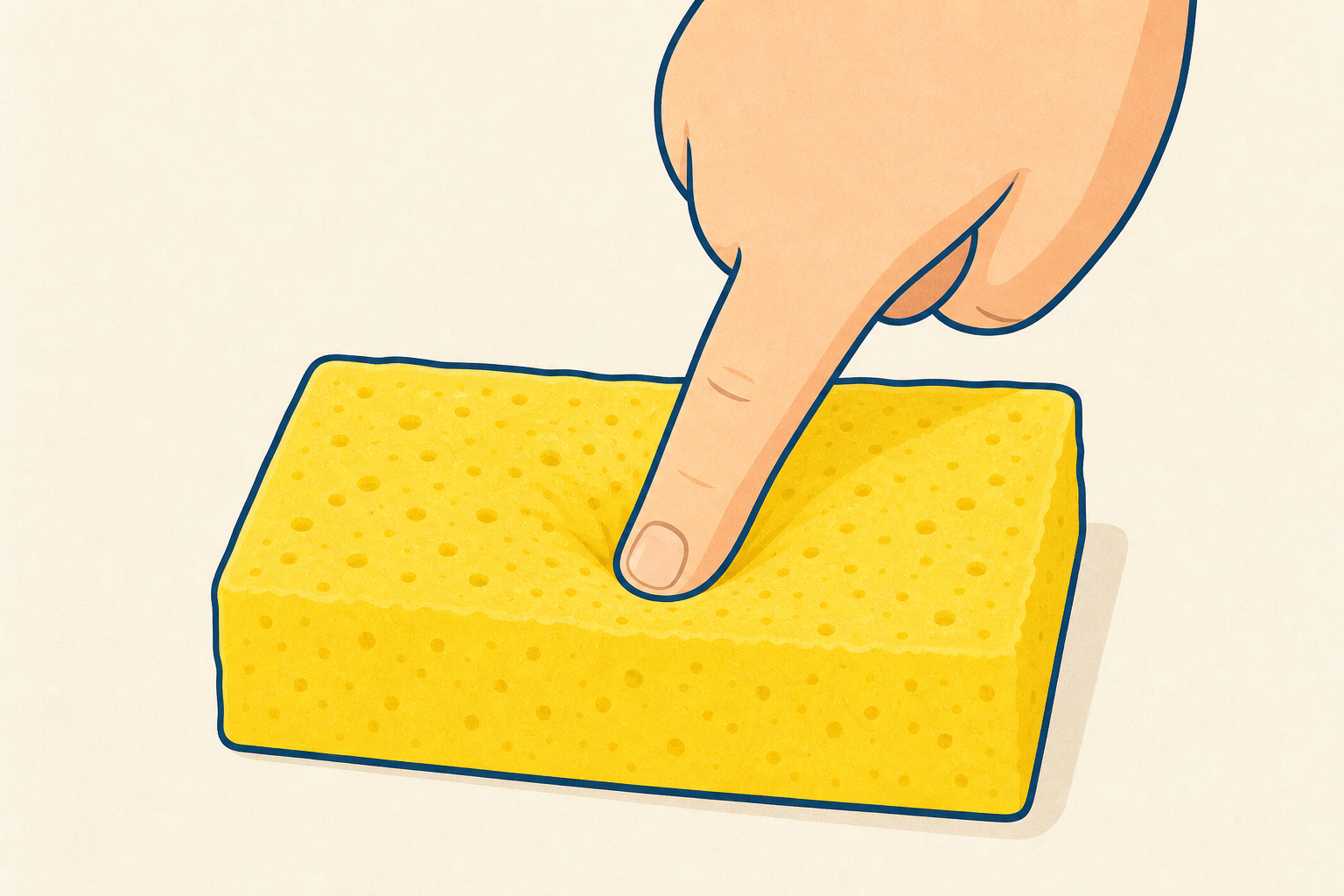 Today's words: hard means firm and does not squash. soft means squashy.
Will the sponge feel hard or soft? Watch what happens when I try.
3 - Touch Table ~6 mins
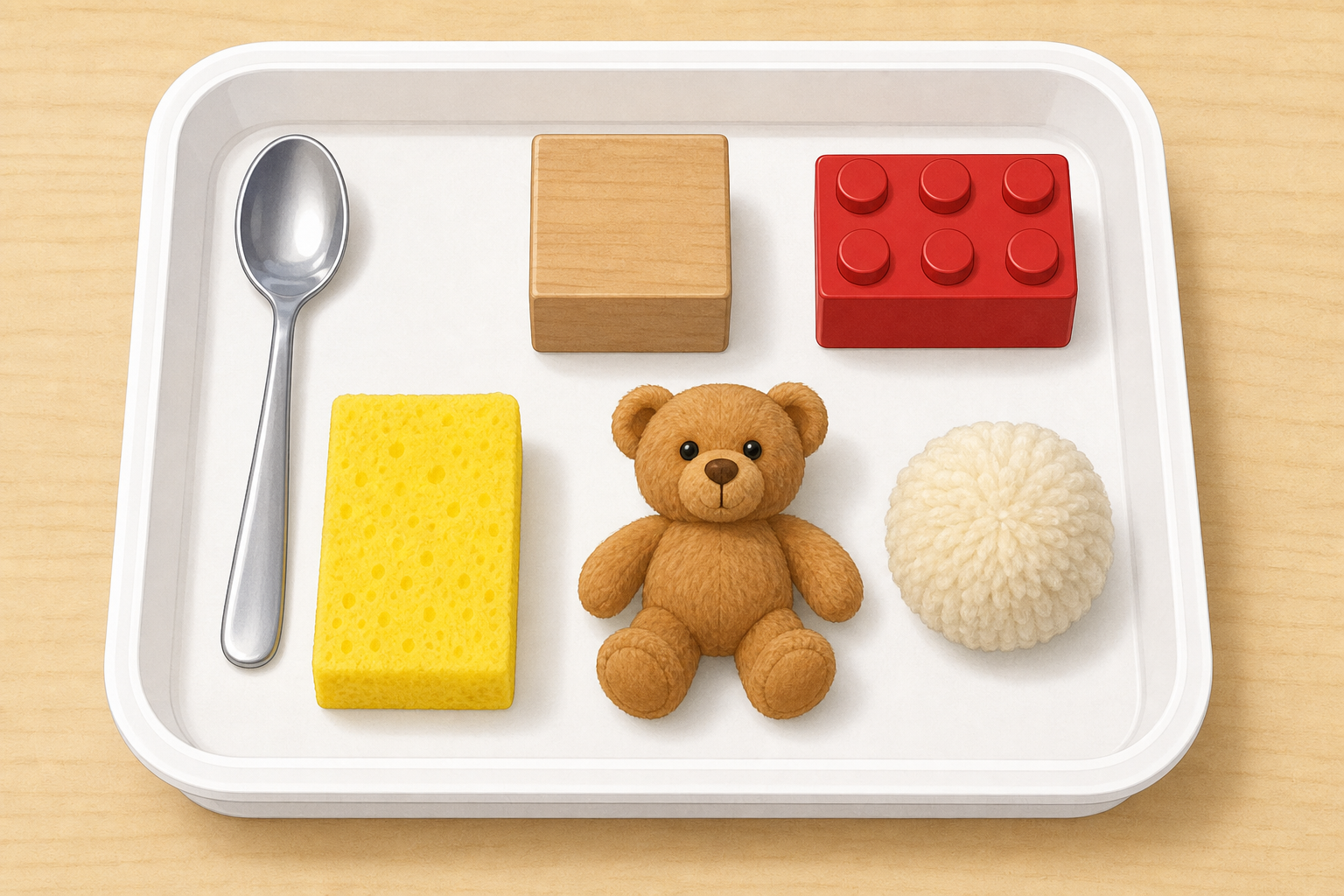 At your group's touch tray, squeeze, press and feel each thing. Does it squash, or does it stay firm?
4 - How Does It Feel? ~2 mins
Pick one thing. Press it. Tell a friend: did it squash, or did it stay firm?
5 - Sort Hard and Soft ~5 mins
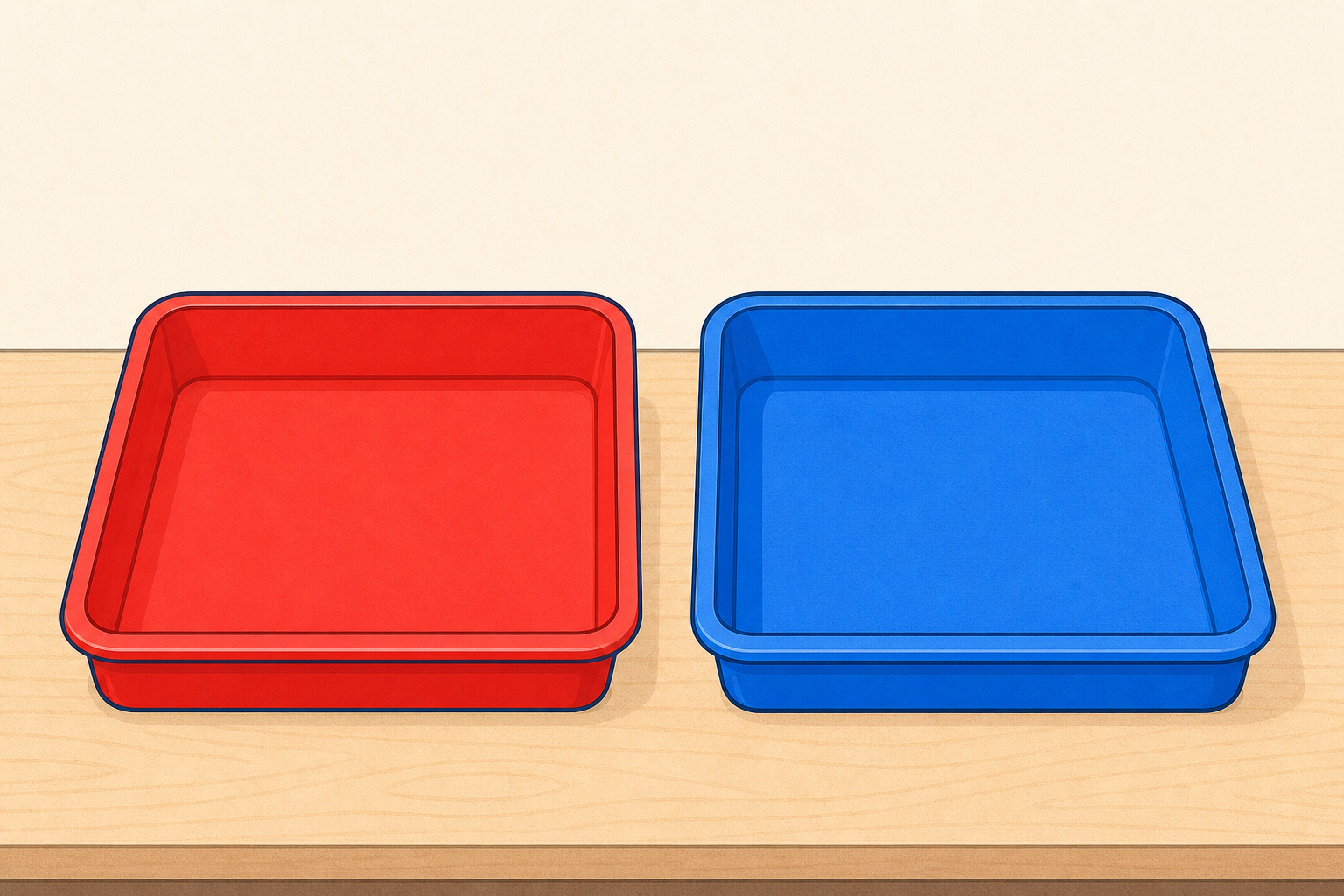 Sort each thing into the hard tray or the soft tray. Press first if you are not sure.
Unlock the full learning experience
You're previewing this lesson. Get full access to this lesson and hundreds more — each one ready to teach, with interactive activities, printable resources and pupil progress tracking built in.
This lesson is copyright of Coding Ireland 2017 - 2026. Unauthorised use, copying or distribution is not allowed.