1 - Start ~4 mins
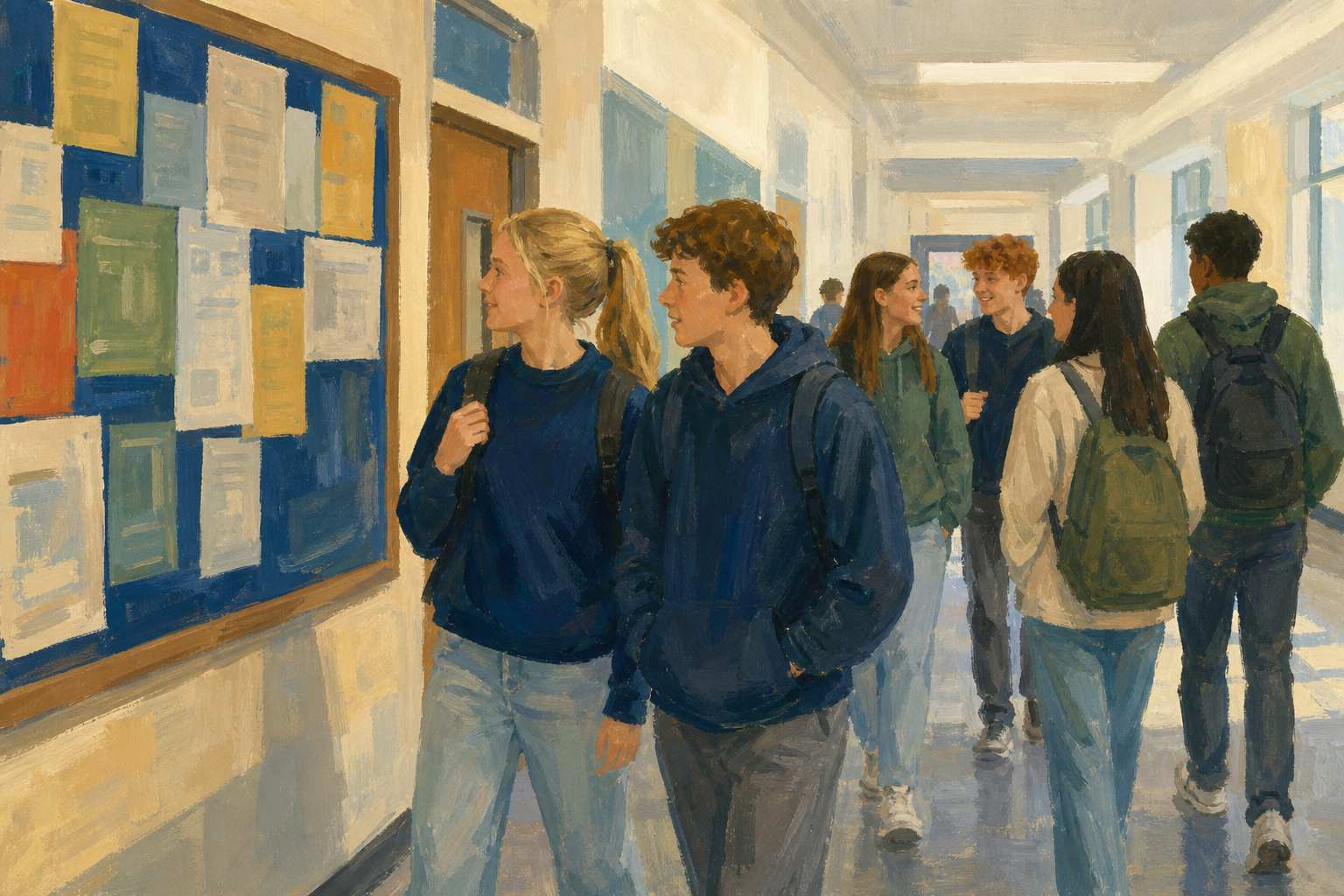
2 - Who Gets a Say Here ~9 mins
A school has several groups that take or shape decisions, and they do not all hold the same power. Here are the five, with one real example for each.
Students and classes raise ideas, vote, and elect people to speak for them. Example: a class votes to request a new club.
The student council gathers views and brings proposals to staff or the principal. Example: the council carries a canteen request to a meeting.
Teachers and year heads decide a lot inside classes and year groups, and feed into wider plans. Example: a year head sets a year-group trip plan.
The principal and deputy principal run the school day to day and make many final yes-or-no calls. Example: the principal approves or refuses a new rule for break time.
The board of management handles bigger policy, budget and staffing questions. Example: the board decides a uniform policy, a phone rule, or major building work that affects the whole school.
The same idea can pass through several of these groups. Who acts at each stage is what turns a suggestion into a real change, or stops it cold.
3 - From Idea to Done ~19 mins
Open the interactive. Drag the six stages of a school decision into the order they usually happen.
When the class agrees the order, take one real decision from this school that did reach a finish. Walk it once along the flow. Name who acted at each stage, or at least at three key stages: who suggested it, who said yes or no, and who put it into action.
Then look at a decision that was suggested but never happened. Find the stage it stopped at, and who would have had to act for it to move on. Your teacher will write that decision and the stage where it stopped on the board, under the heading Stalled decision. You will need that note later in the strand.
From idea to done
4 - Make Sense of It ~5 mins
Look at the stalled decision still on the board.
Talk in pairs, then share. Use these starters if you need them:
- Power: Was the stop about nobody who could say yes being asked?
- Practical: Was it about cost, rules, safety or time?
- Follow-through: Was it about nobody carrying it after a yes?
Then: what does that tell you about where students in this school already have influence, and where they mostly do not?
There is no single right reading. The point is to describe the process you actually saw, not the one you wish had happened.
5 - What You Covered ~3 mins
You can now:
- name the main groups that take or shape decisions in a school, and say what each can actually do
- put a school decision into stages from first idea to done, and say who acts at each stage
- find where a decision that never happened stopped, and keep that example for later work on how democracy works in practice
Unlock the full learning experience
You're previewing this lesson. Get full access to this lesson and hundreds more — each one ready to teach, with interactive activities, printable resources and pupil progress tracking built in.
This lesson is copyright of Coding Ireland 2017 - 2026. Unauthorised use, copying or distribution is not allowed.