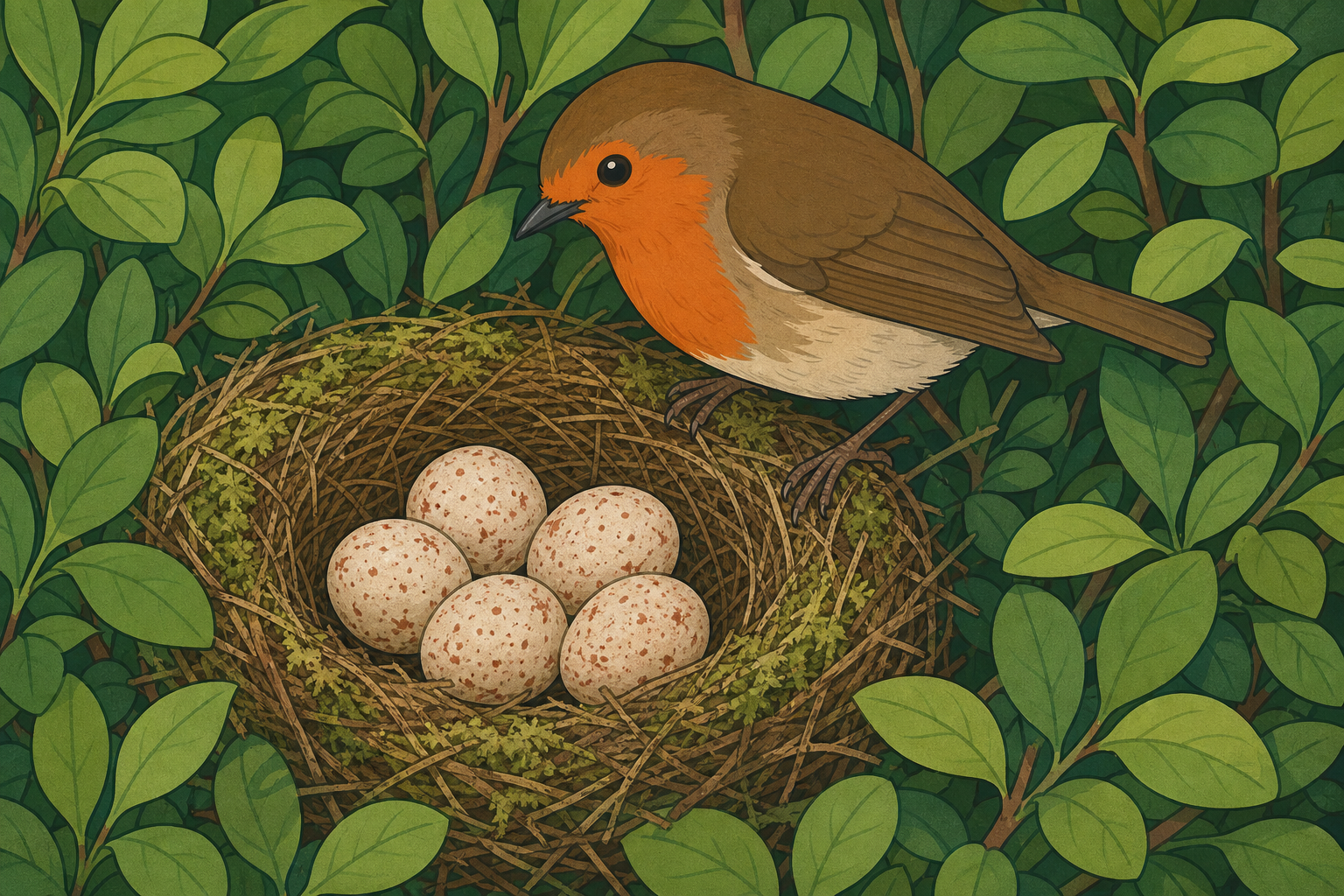
Look at this frog spawn. It is a cluster of jelly-like eggs from an Irish pond. What do you think it will become next? Will it always stay looking like this, or will it change?
Hands up your guess for the next stage, and say why you think that.
Keep this hook light: one curiosity question and a quick show of hands. Do not hand out stage cards or teach the full cycle yet.
Before the lesson: print the provided life-cycle stage card sets so each group will have one animal set (frog or butterfly) and one oak set. Have a photo or real sample of frog spawn ready only if you can source it safely; a clear photo on the IWB is enough.
Key question: What do you think happens next, and why? Accept all ideas. Predictions are the start of the science, not answers to mark right or wrong.
What to expect: many pupils will say tadpole or frog. Some may jump straight to adult frog and skip stages. Note that for later.
Hold that thought about the frog spawn. Living things grow and change through stages, then the next generation starts the same pattern again. That whole journey is called a life cycle. Each clear part of the journey is a stage.
Watch the frog cards as we order them. I wonder: why might scientists draw a life cycle as a loop, not a straight line that stops at the adult? Share a guess. It is fine not to know yet.
Project only the short board text. Use the table below yourself; do not project the full table. Lead with the modelled frog-card loop so the terms feel earned, not pre-loaded.
| Concept | Why it matters | Example |
|---|---|---|
| Life cycle — the repeating pattern of stages a living thing goes through as it grows, reproduces and the next generation begins | It helps us see that living things do not stay the same; they change in an order that can start again | A frog goes from spawn to tadpole to froglet to adult frog, then new spawn begins the cycle again |
| Stage — one clear part of a life cycle when the living thing looks or lives differently from the part before | Naming stages lets us put a life in order and talk about what each part needs | A caterpillar eats and grows; a chrysalis is the resting change stage before the adult butterfly |
| Season link — how a life-cycle stage often matches a time of year across Ireland's four seasons | It connects living things to the Irish year so pupils notice when to look for eggs, seeds or young animals | Frog spawn is commonly found in Irish ponds in spring; many oak acorns fall in autumn |
Modelled cycle (you do this live before groups sort):
After the model, hang the words on what pupils just saw: the whole loop is the life cycle; each card is a stage. Keep season link light here (one line is enough); step 6 carries the season work.
Misconception to head off: pupils often think the adult is the finish line. Stress that the loop shows the next generation beginning. Another common mix-up is treating metamorphosis animals as if they simply get bigger; name that frog and butterfly stages can look very different.
Ask: If we stopped at the adult and drew a straight line, what important idea would we miss?
Do not leave the demo frog cards on the model table as a fifth pack. Clear the model before any group packs go out:
This stops mixed packs mid-handover and matches the two-phase board text in the next step.
In your group you have one Irish animal pack.
First job only: put those animal stages in order as a loop. Start at the earliest stage, move round to the adult, then close the loop back to new eggs or spawn so the next generation can begin.
When your group agrees the animal loop is closed, freeze and look up. Your teacher will give the next job then.
Every group needs one animal set and one oak set, but not both at once. Animal packs go out at the step 2 handover; oak packs stay on the side table until the switch. Assign frog sets to half the groups and butterfly sets to the other half so the class meets both animals. Every group sequences the oak. This is required, not optional: learning objective 1 asks for an animal and a plant.
Print load: enough frog sets for half the groups, enough butterfly sets for the other half, and one oak set per group. Cut cards apart so groups can shuffle and reorder. Do not invent extra cards.
Phase 1 board (on as groups start): only the animal-loop job above. Do not show oak or share lines yet.
Phase 2 board (project when you call switch):
Second job: open your oak pack. Order acorn to mature oak as a loop, then close it so new acorns can begin again. When both loops are done, be ready to say one order out loud (animal or oak) and name one clue that told you which stage came next.
Frog set
Card A — Frog spawn: Soft jelly eggs laid in pond water. This is the egg stage.
Card B — Tadpole: A young frog that lives in water, swims with a tail and has no legs yet.
Card C — Froglet: A small frog that has grown legs. The tail is shrinking as it changes.
Card D — Adult frog: A full-grown frog that can live on land and in water. Adult frogs can breed, and new spawn begins the cycle again.
Butterfly set
Card A — Egg: A tiny egg laid on a leaf. This is the start of the butterfly cycle.
Card B — Caterpillar: The larva stage. It eats leaves and grows quickly.
Card C — Chrysalis: The pupa stage. The body is changing inside a hard case.
Card D — Adult butterfly: A winged insect that can fly, feed and lay new eggs.
Oak set
Card A — Acorn: The seed of the oak tree. It can grow if conditions are right.
Card B — Seedling: A young oak just starting out, with a thin stem and a few small leaves.
Card C — Sapling: A young tree that is taller and stronger but not yet fully grown.
Card D — Mature oak: A full-grown oak that can produce new acorns.
Circulate and ask: What clue on the card helped you? and Where does the next generation begin?
Correct orders:
Differentiation: if a group is stuck, give two anchor cards (first and last) and ask them to place the middle pair. If a group finishes both sets early, compare frog or butterfly with oak: which stages look most unlike the adult?
Look-fors: both sets ordered; loop closed on each, not stopped at the adult; pupils using card clues; at least one pupil naming that the next generation begins again.
If time is slipping: cut the share to two voices only (one animal, one oak) rather than dropping the oak sequence. Oak is required for LO1.
Look with me at the finished frog life cycle on the board. Notice the order of the four stages and the arrows between them.
Three arrows show the frog growing into the next stage. Why is the last arrow different, and why does it loop back toward the start instead of stopping at the adult frog?
This is a short whole-class look-and-discuss beat, not a second sequencing task. Drive the interactive in display mode so the finished cycle is already on screen; nothing moves. You narrate and question; pupils do not rebuild the frog order here.
On screen the class should see four cards already placed in a cycle: frog spawn (egg), tadpole, froglet, adult frog. The three forward arrows are labelled grows into. The closing arrow is labelled lays spawn so it is clearly reproduction, not more growth.
Point to each stage in order. Pause on the return arrow. Contrast aloud: grows into means the same animal changing; lays spawn means the next generation beginning. Ask two or three pupils: What begins again when new spawn is laid?
Key observation to draw out: the adult is not the end of the story for the species; new eggs start the same pattern for the next generation. That is why scientists draw a loop.
Keep this to about four minutes. The next step builds the butterfly cycle with the class and spends the main time on that same return link.
We already know stage order from the card work. Now the class job is different: build the butterfly cycle on the board so we can lock the return link.
Help place egg, caterpillar, chrysalis and adult butterfly if needed, then focus on the finish: where should the last arrow point, what should we call that link, and why is it not another 'grows into'?
Switch the interactive to explore mode with layout: cycle. Four cards appear: egg, caterpillar, chrysalis, adult butterfly.
Pupils call out placements; you drag on the IWB. Fold the whole class in: Do you agree with that order? What would you put next? Groups who already sequenced butterfly at the desk should still stay engaged: their fresh job is naming and defending the return arrow, not rediscovering order.
Target sequence: egg → caterpillar → chrysalis → adult butterfly, with the closing arrow labelled lays eggs (not 'grows into') pointing back toward egg.
Focus of this beat: once the four stages are roughly placed (take at most 2–3 minutes if order is already secure), spend the remaining time on the return arrow. Contrast grows into (same animal changing) with lays eggs (next generation).
Quick contrast if 1–2 minutes remain (not a full rebuild): Which frog or butterfly stage looks most unlike its adult? How is that different from oak, where a seedling already looks a little like a tiny tree? Add one wonder line: A frog's cycle can fit inside a single Irish year; an oak may wait many years before it is ready to make acorns — same loop idea, very different clocks. Do not treat oak board rebuild as optional stretch; oak was already required for every group at the desk.
Misconception: some pupils put adult butterfly before chrysalis because they know butterflies best as adults. Ask what has to happen inside the case before wings appear.
Success look-for: the class can say the loop shows the next generation starting, and can name that the return arrow is not another 'grows into'.
You're previewing this lesson. Get full access to this lesson and hundreds more — each one ready to teach, with interactive activities, printable resources and pupil progress tracking built in.