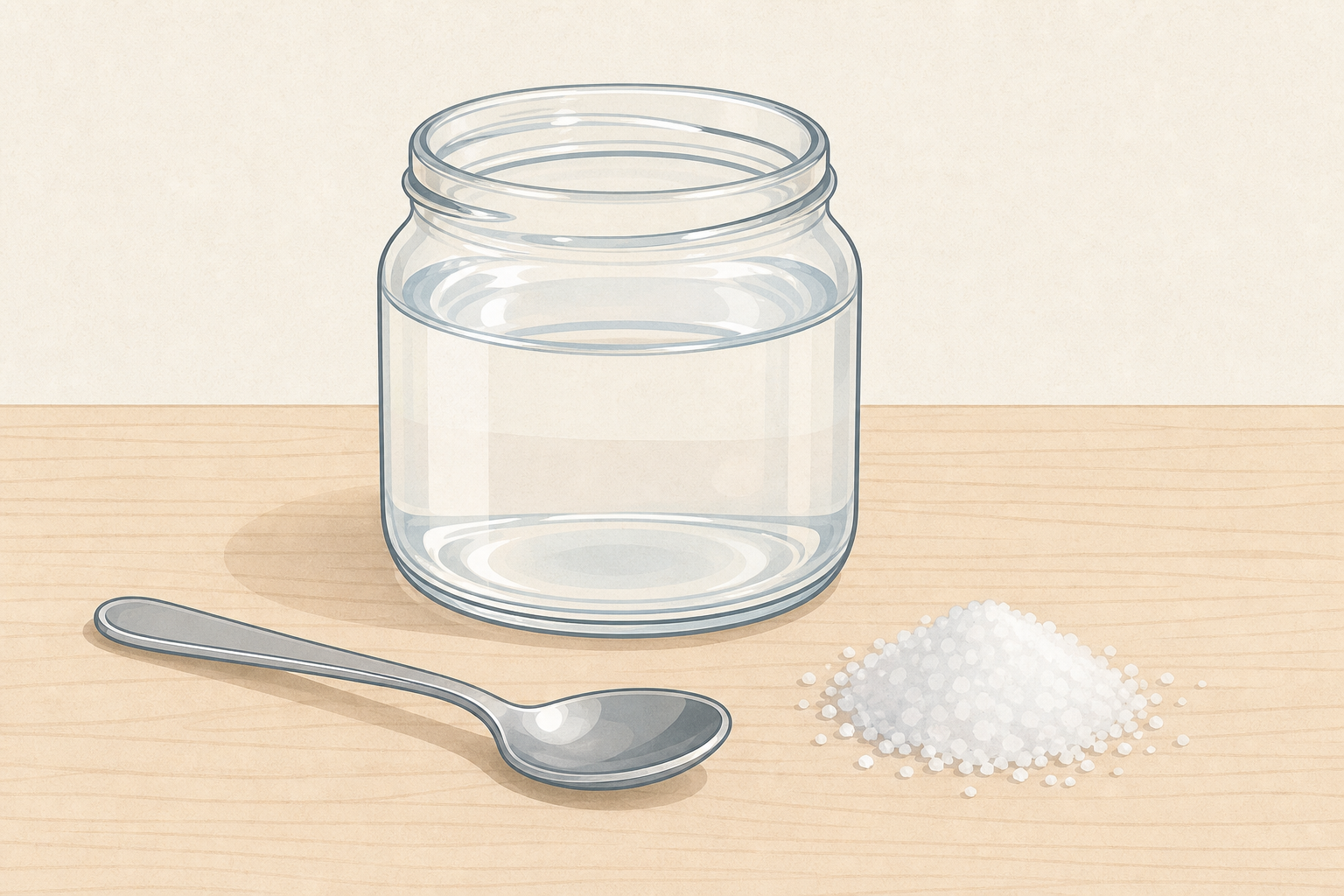
 Look at this clear jar. Salt was stirred into the water until you could not see a single grain. Has the salt gone for good, or is it still in there somehow?
Hands up: gone forever, still there, or not sure?
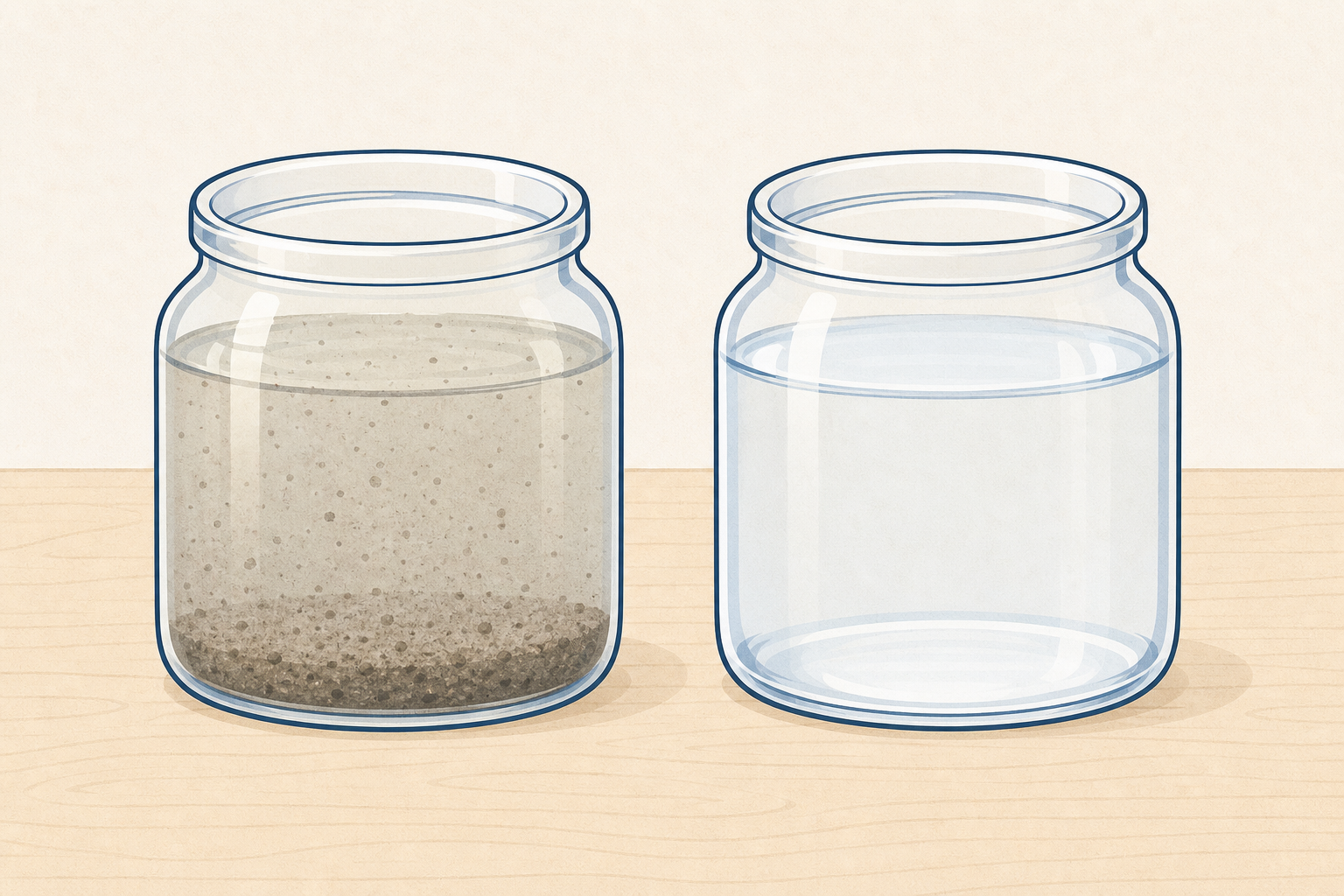 Here is a second jar. You can still see the sand grains in the water. That is a mixture: the materials are together but keep their own properties.
Our first jar looks clear. When salt disappears into water but is still there, that is a solution.
Dissolved does not mean gone. If the salt is still in the clear water, how could we get materials back out?
Two puzzles for your group. First: when salt dissolves and the water looks clear, where has the salt gone? Second: if we pour sandy water through filter paper, what will be caught and what will run through?
Agree one prediction for each puzzle and be ready to say why.
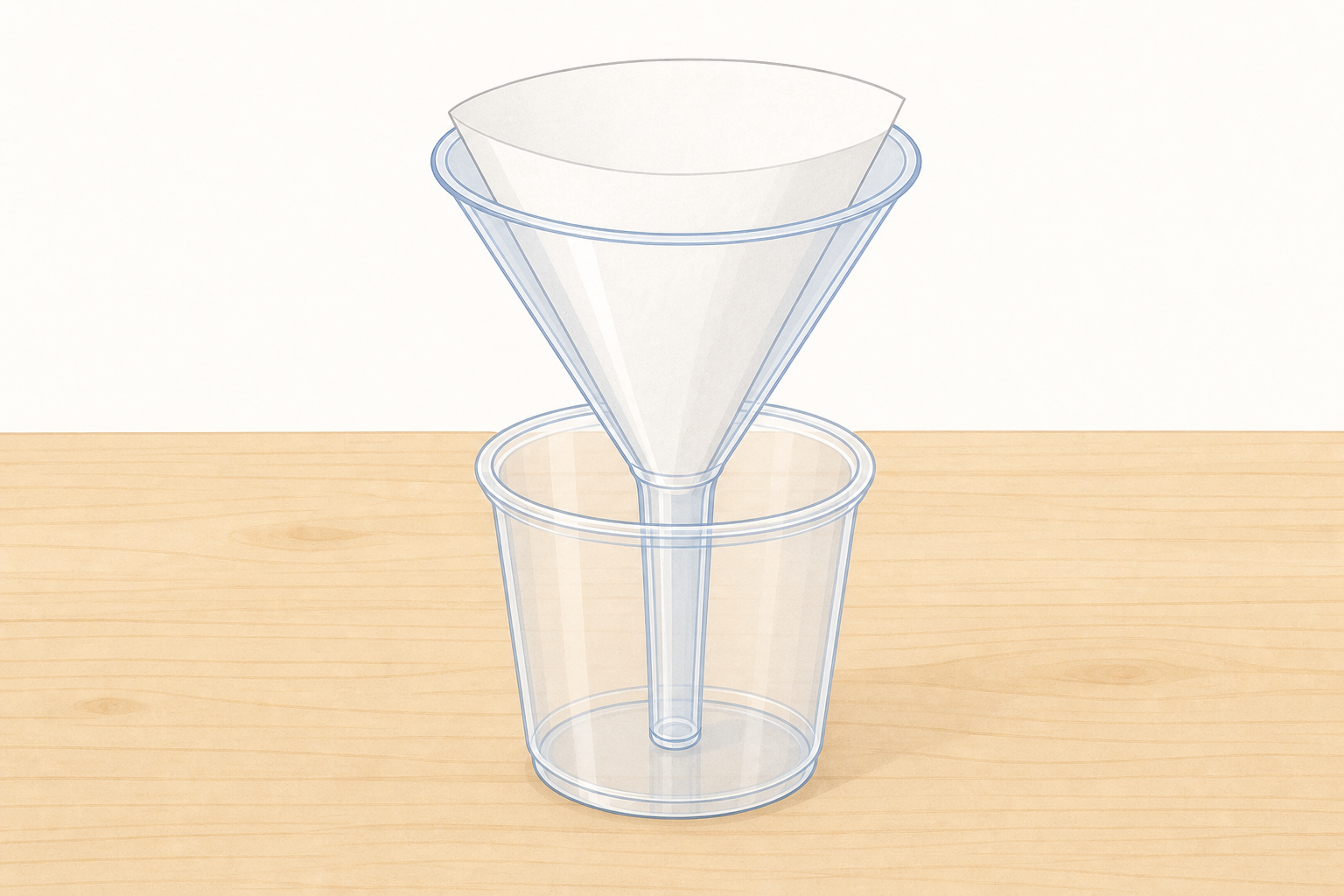
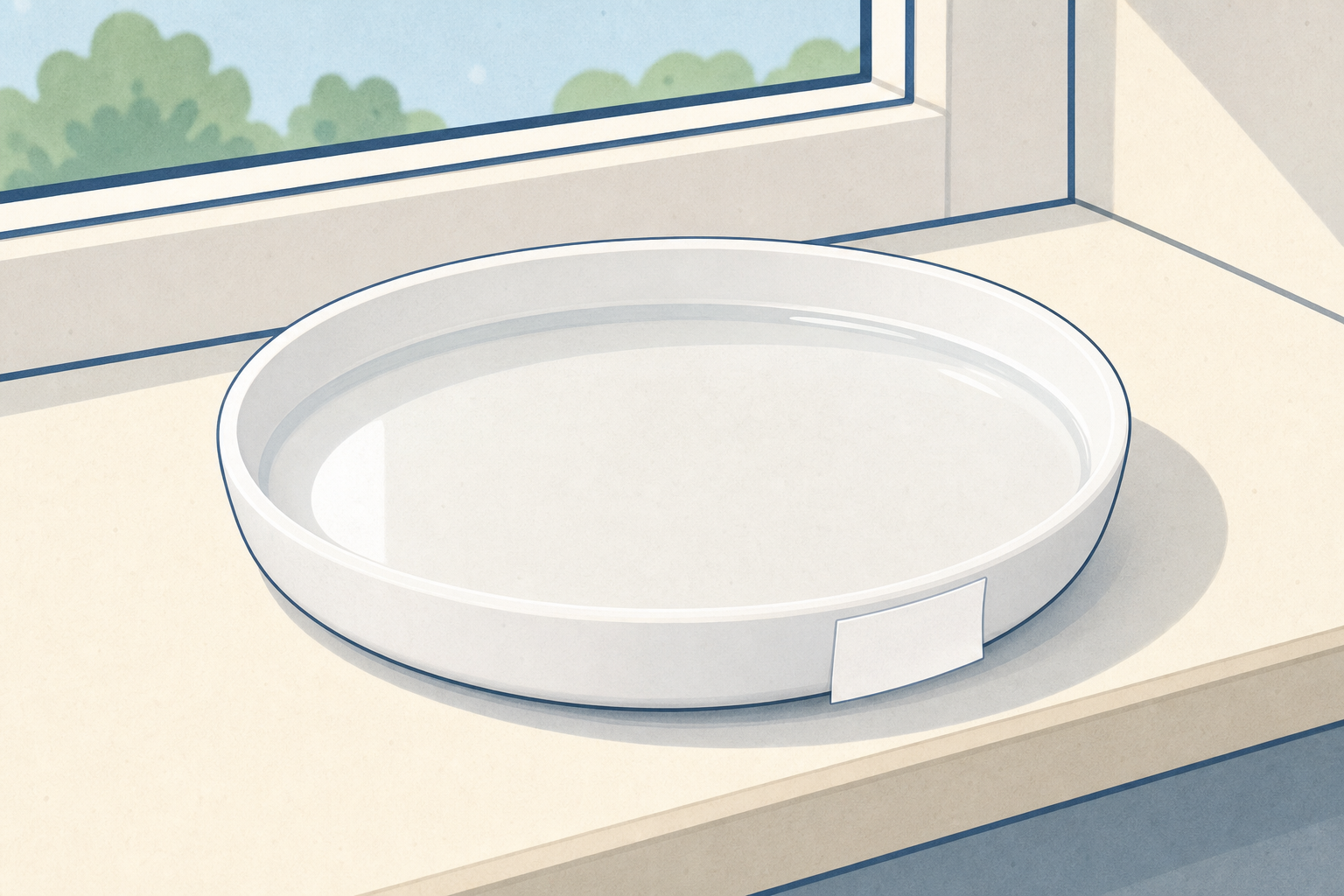 Watch the set-up carefully. First we will try filtering: pouring sandy water through paper with tiny holes so undissolved bits are caught. Then we will pour a little clear salt solution into shallow dishes for the windowsill. That starts evaporation, when water slowly dries away and can leave dissolved solid behind.
Before anything is poured: what do you think will be left in the filter paper, and what will look different in the dishes after a few days?
 Today your group gets the sand back out of the water with your own hands, and starts the salt off on a much slower journey. Your tray has everything you need: sandy water, clear salt solution, filter paper, a funnel, cups, a shallow dish and a label, along with your Investigation Journal page.
The board sets out the order to work through. The one thing it leaves up to you is how thin to pour the salt layer into your dish. That choice is yours to argue for and to write down, because a thin film dries far sooner than a deep puddle in a cool room.
Crystals take days, so the dish you set on the windowsill is a waiting experiment, not a finished recovery.
Unlock the full learning experience
You're previewing this lesson. Get full access to this lesson and hundreds more — each one ready to teach, with interactive activities, printable resources and pupil progress tracking built in.
This lesson is copyright of Coding Ireland 2017 - 2026. Unauthorised use, copying or distribution is not allowed.