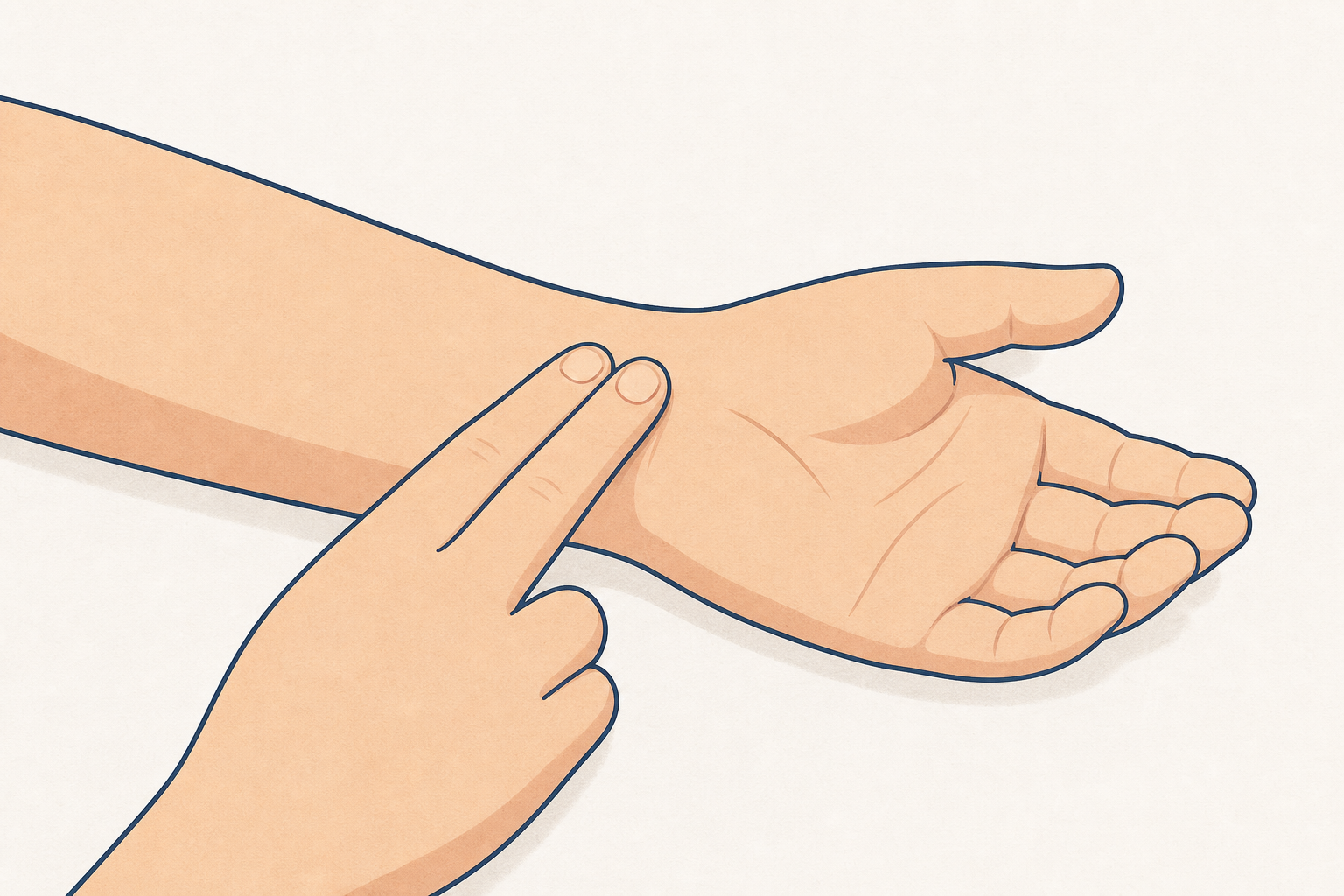
 Place two fingers gently on the side of your neck or on the inside of your wrist. Can you feel a soft thump? That is your pulse: your heart beating.
Now notice your breathing. Quiet or busy? Here is today's wonder: does exercise change our pulse and our breathing?
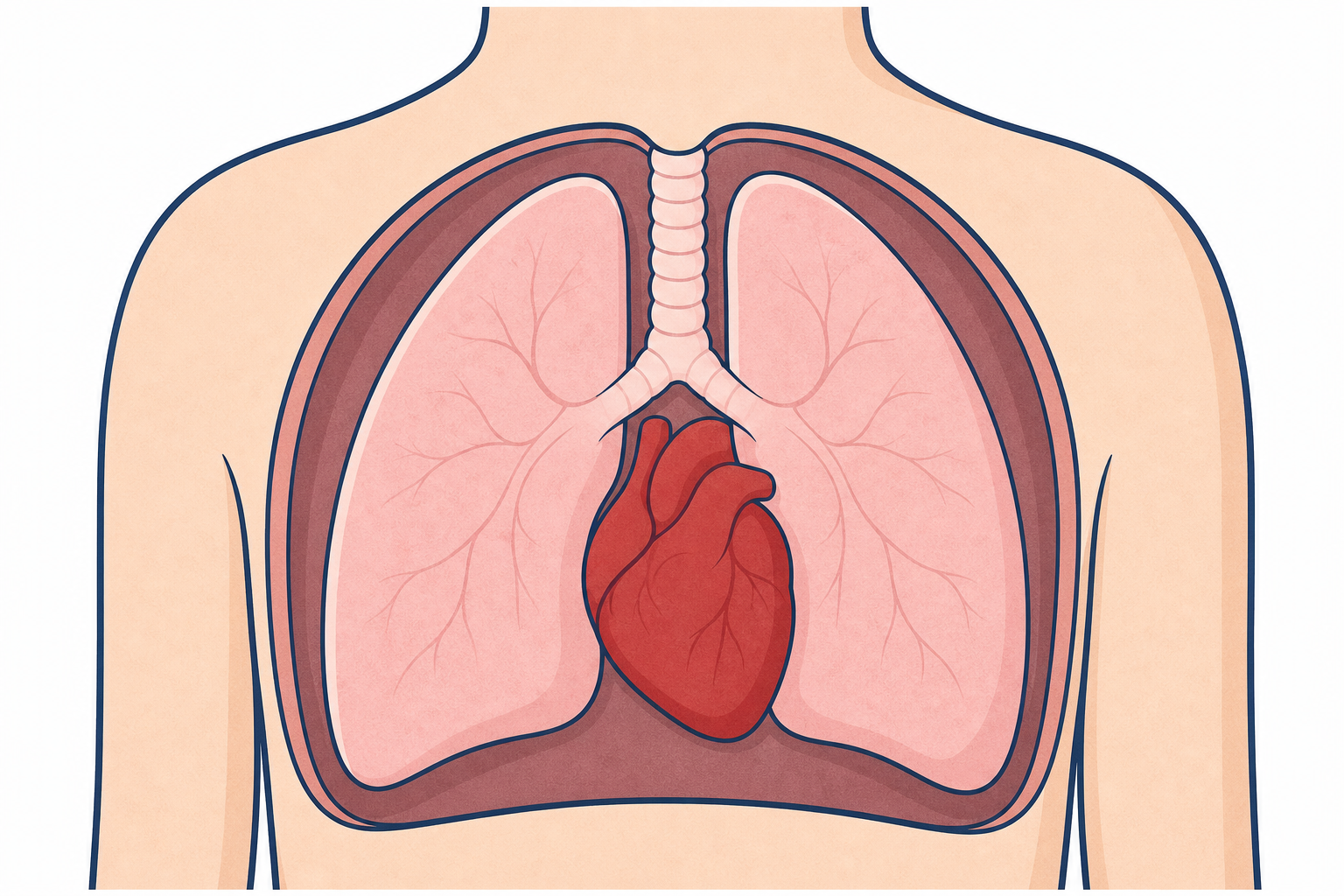
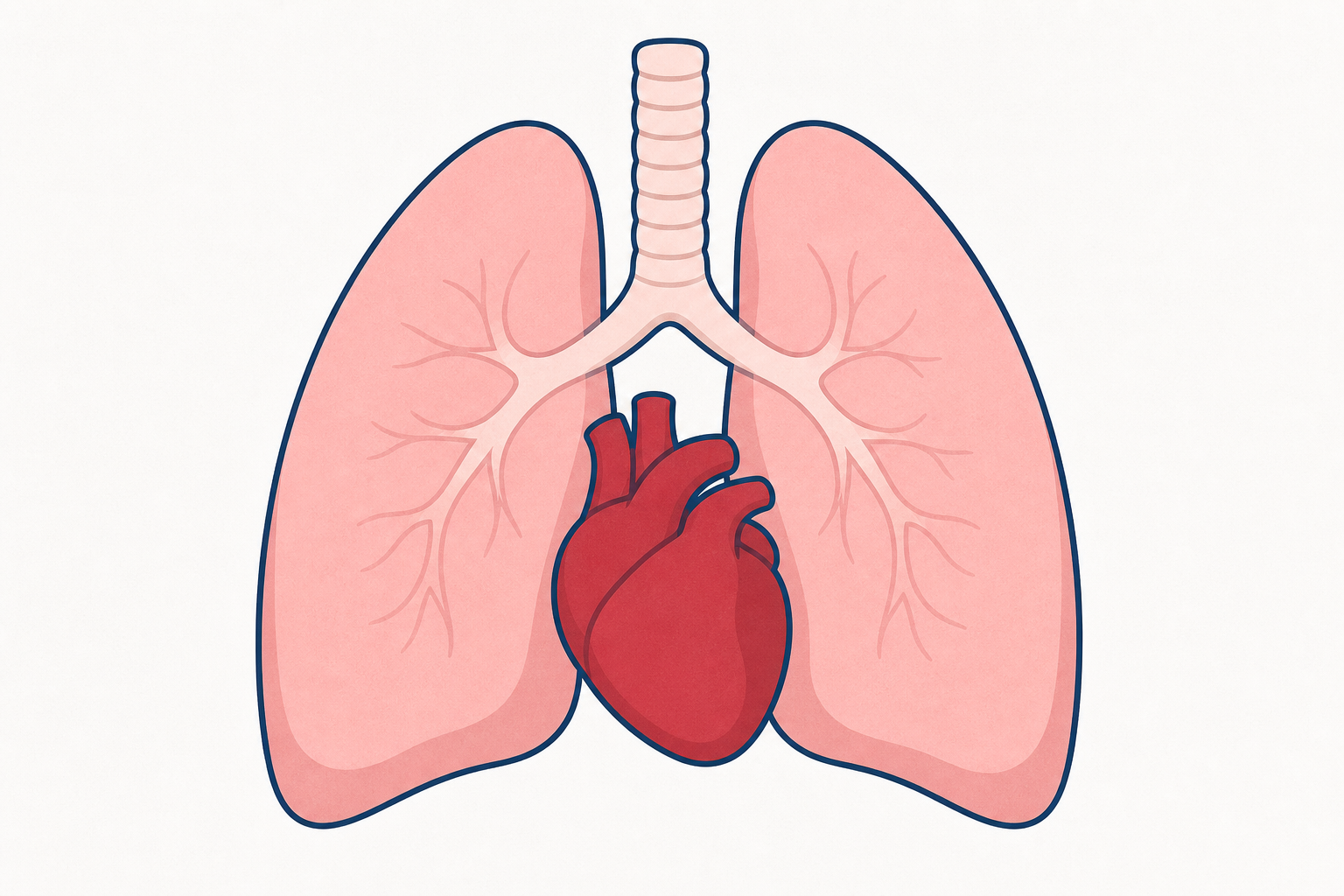 Today's words: pulse (the beat you feel each time your heart pumps) and breathing rate (how many breaths you take in one minute). Your heart and blood vessels make up your circulatory system, and your lungs and airways make up your respiratory system: the lungs take oxygen in from the air, and the heart pumps that oxygen round your body in your blood.
When you move hard, your muscles need more oxygen. What do you think the heart and lungs do about that?
 Our wonder is whether exercise changes our pulse and breathing. In pairs, choose the one-minute activity you will test: steady step-ups, high-knee marches, or star jumps.
On your Investigation Journal page, write your activity on the My activity line. That makes the printed question yours.
Then, under I predict… because…, write what you think will happen to both numbers after the activity, and why.
Watch how we time and count. We count pulse beats for exactly 15 seconds, then multiply by 4 to get the rate per minute. Breaths are counted the same way. Each reading is taken twice, and we use the average of the two.
The timer on the board keeps every count exactly the same length, so all our numbers can be compared fairly.
Work in pairs. You each measure your own pulse and breathing, and your partner watches the timer and checks you multiplied by 4. If you should not exercise, you time and record for your partner.
- Sit still. Count your pulse for 15 seconds and multiply by 4. Do it twice and write the average.
- Measure your resting breathing twice the same way and write the average.
- When the class timer starts, do your activity at a steady pace for one full minute.
- Straight away, measure your pulse twice and your breathing twice again, and write the averages.
Record all four averages on your Investigation Journal page.
Unlock the full learning experience
You're previewing this lesson. Get full access to this lesson and hundreds more — each one ready to teach, with interactive activities, printable resources and pupil progress tracking built in.
This lesson is copyright of Coding Ireland 2017 - 2026. Unauthorised use, copying or distribution is not allowed.