1 - Start ~4 mins
2 - When a Case Changes the Rule ~5 mins
A court case or a formal equality complaint can do something a private letter cannot: it can force a decision, put reasons on the record, and change a practice for people who were never in the room. That is the power of law as a lever.
It is also costly. The person or family who brings a case spends time, energy and often money. Hearings take a long time. Appeals add years. There is a real risk of losing. So when you read a success story, notice both halves: the wider change, and the price paid by the people who pushed it.
Quick refresh: discrimination is illegal in Irish law on nine grounds (gender, civil status, family status, sexual orientation, religion, age, disability, race, and membership of the Traveller community). You have mapped which bodies hear which kinds of case. Today you put that knowledge against one full account and answer from the text, not from guesswork.
3 - Read the Account ~17 mins
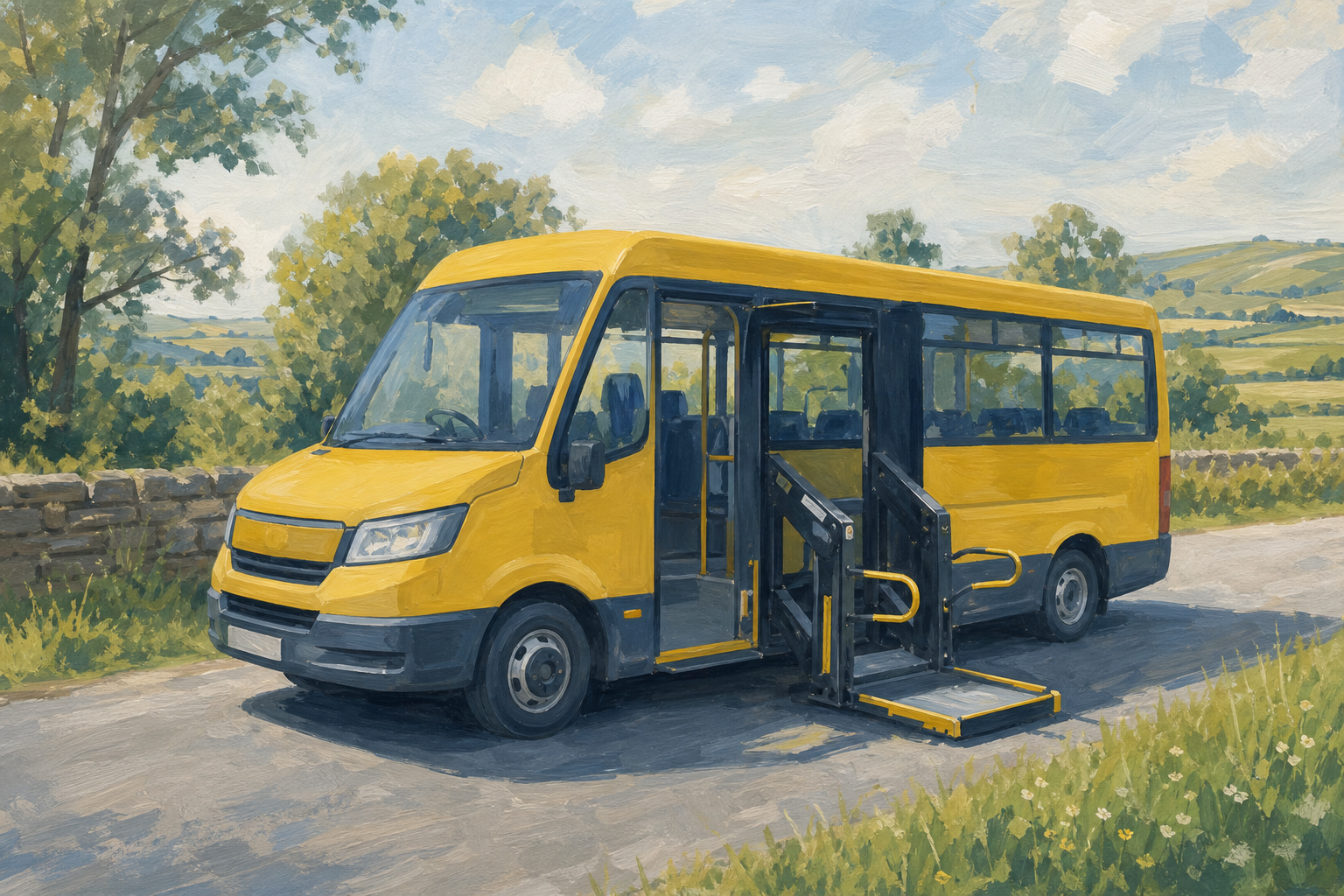
One complaint that changed a bus route
4 - Make Sense of It ~11 mins
Talk these through as a class. Nothing is typed or saved.
- Which detail in the account best shows that the law changed something for people beyond one family?
- If the family had stopped after the letters were refused, what would likely still be true on that road?
- What would you want somebody to understand about the cost before they called a case "easy" or "quick"?
- Why can one family's formal complaint change a rule for people who never took a case? Use detail from the account.
5 - What You Covered ~3 mins
You can now:
- explain how a formal equality complaint or court case can change a practice for people beyond those who brought it
- pick out from an account written for this lesson what someone was trying to change, which route they took, how long it took, and what was different afterwards
- name the personal cost that often sits behind a public win
Law is one lever citizens can use when other routes have failed. It is powerful, and it is rarely free.
Unlock the full learning experience
You're previewing this lesson. Get full access to this lesson and hundreds more — each one ready to teach, with interactive activities, printable resources and pupil progress tracking built in.
This lesson is copyright of Coding Ireland 2017 - 2026. Unauthorised use, copying or distribution is not allowed.