A complete year of Maths, delivered by teacher-led interactive-whiteboard lessons, a printed pupil Activity Book, and a Teacher Resource Book, built to the NCCA Primary Mathematics Curriculum.
Click any lesson with to preview it
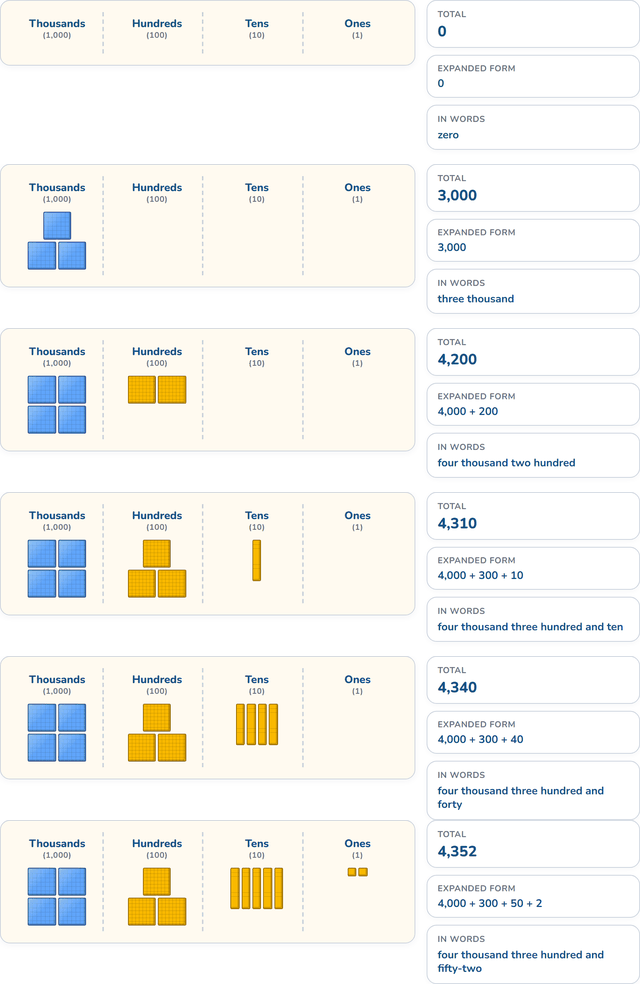
Build place value across the hundreds. Pupils read, write, partition, compare, order, round and estimate whole numbers to 1,000, with a first look beyond.
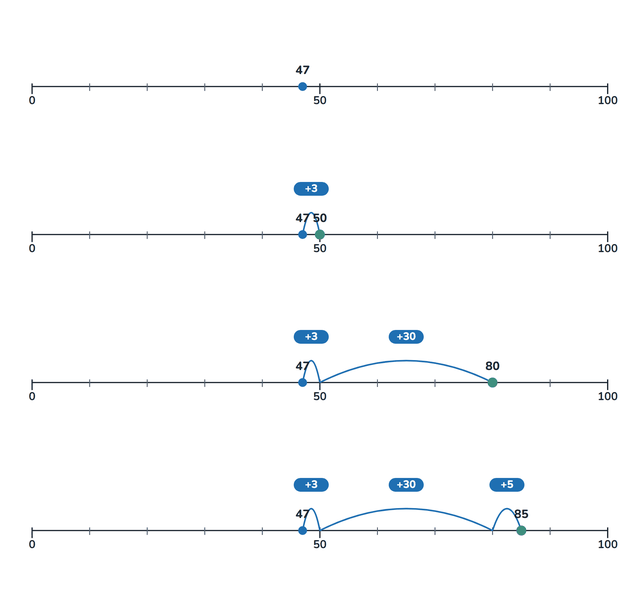
Introduce flexible mental strategies and secure written methods for the four operations with small numbers, and the links between them.
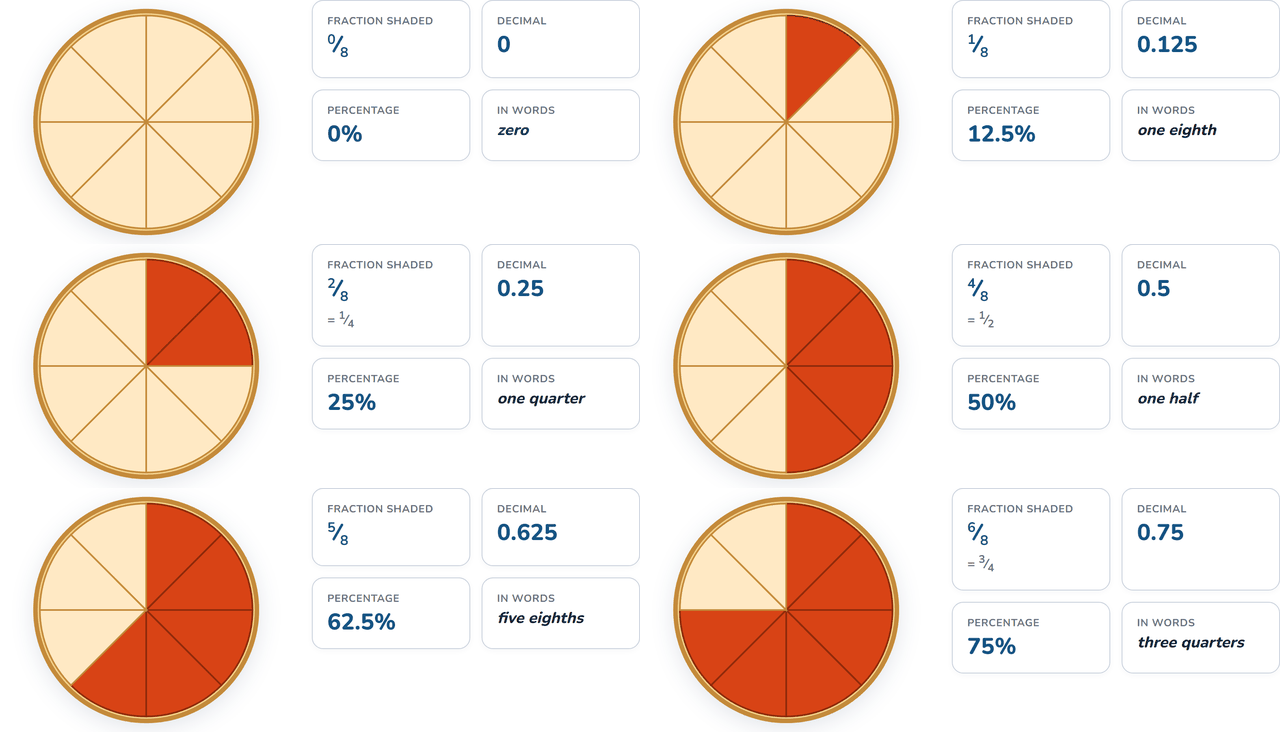
Name, compare and find fractions of quantities, meet equivalence as a first look, and meet tenths as the first decimals with a gentle first touch of hundredths.
Estimate and measure length, weight and capacity with the right instrument and unit, and take a first look at renaming metric units.
Find perimeter by adding the sides, area by counting square units, and volume by counting unit cubes, all by counting with a first gentle link to multiplication.
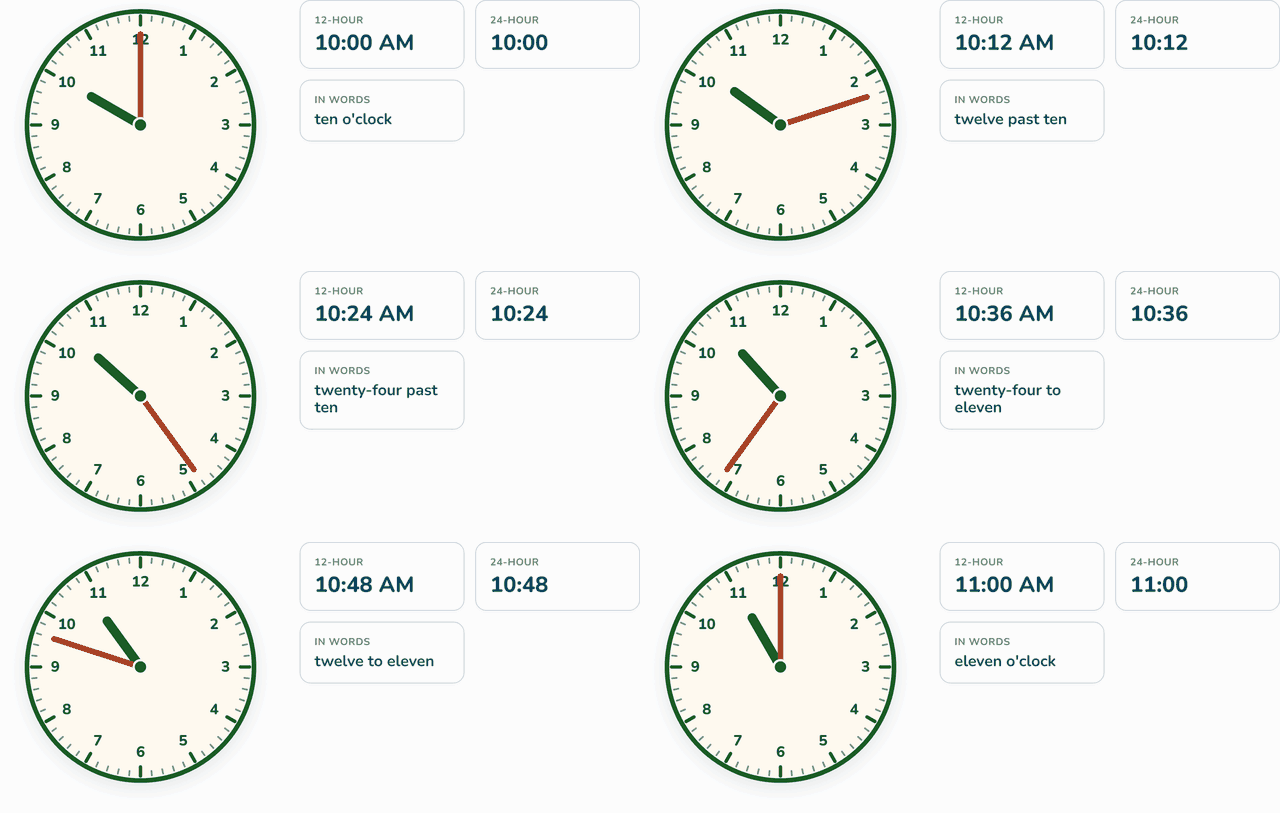
Tell the time to 5-minute intervals across analog and digital, work with units of time and the calendar, and calculate with euro and cent in everyday money contexts.
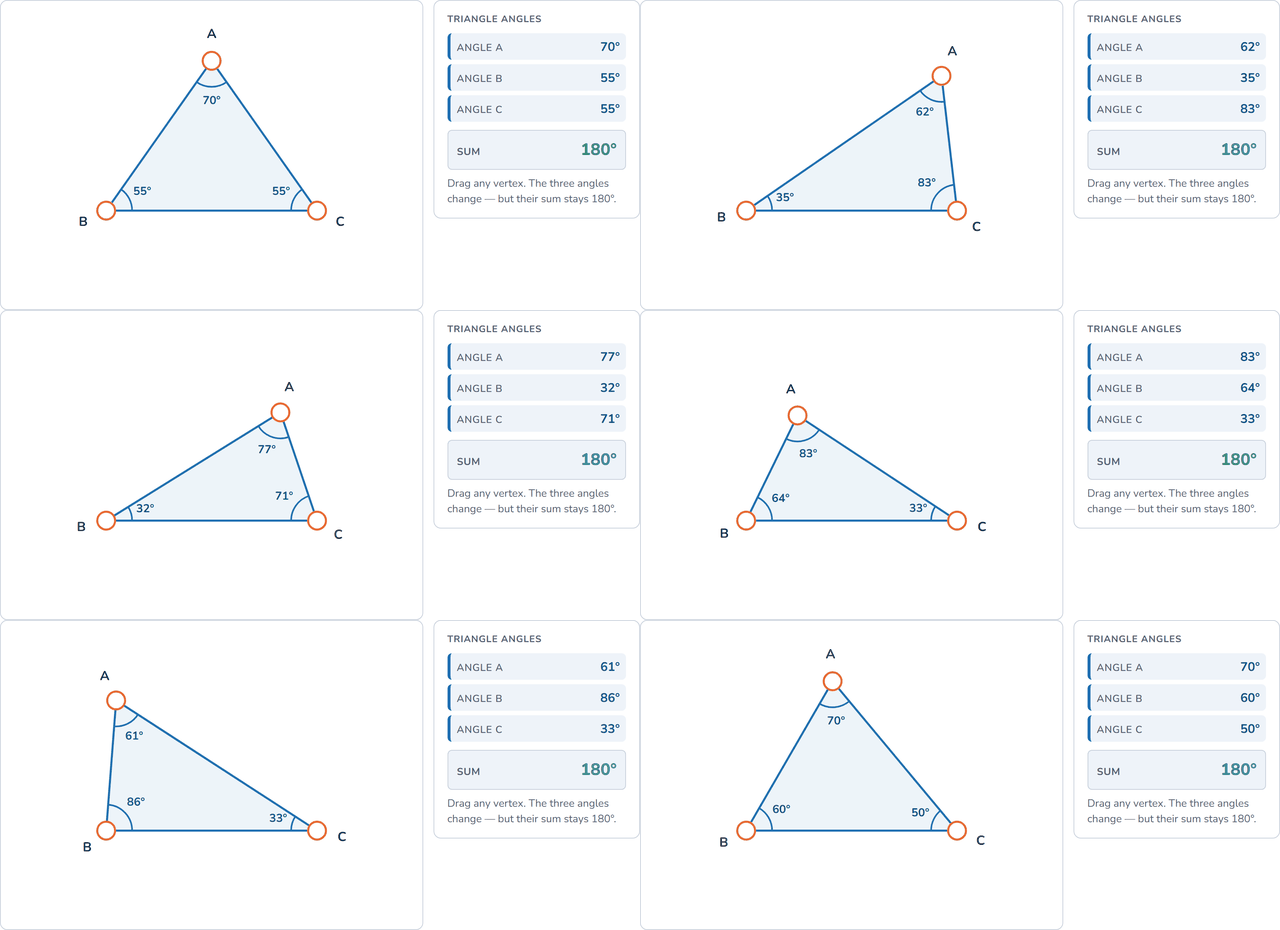
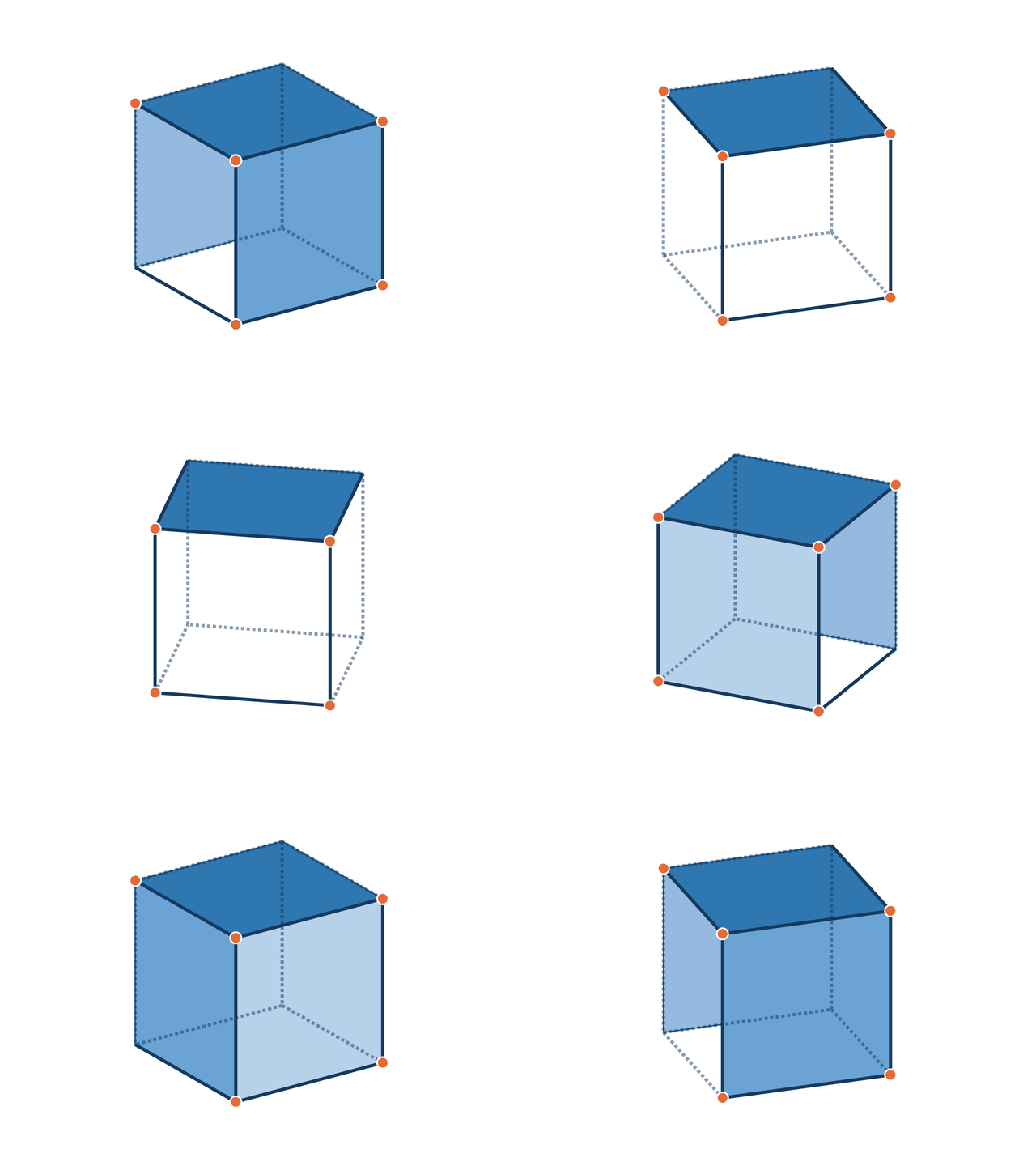
Name and sort 2D and 3D shapes by their properties, name the parts of a circle, and recognise and compare angles as amounts of turn, all concrete and introductory with no degrees or protractor.
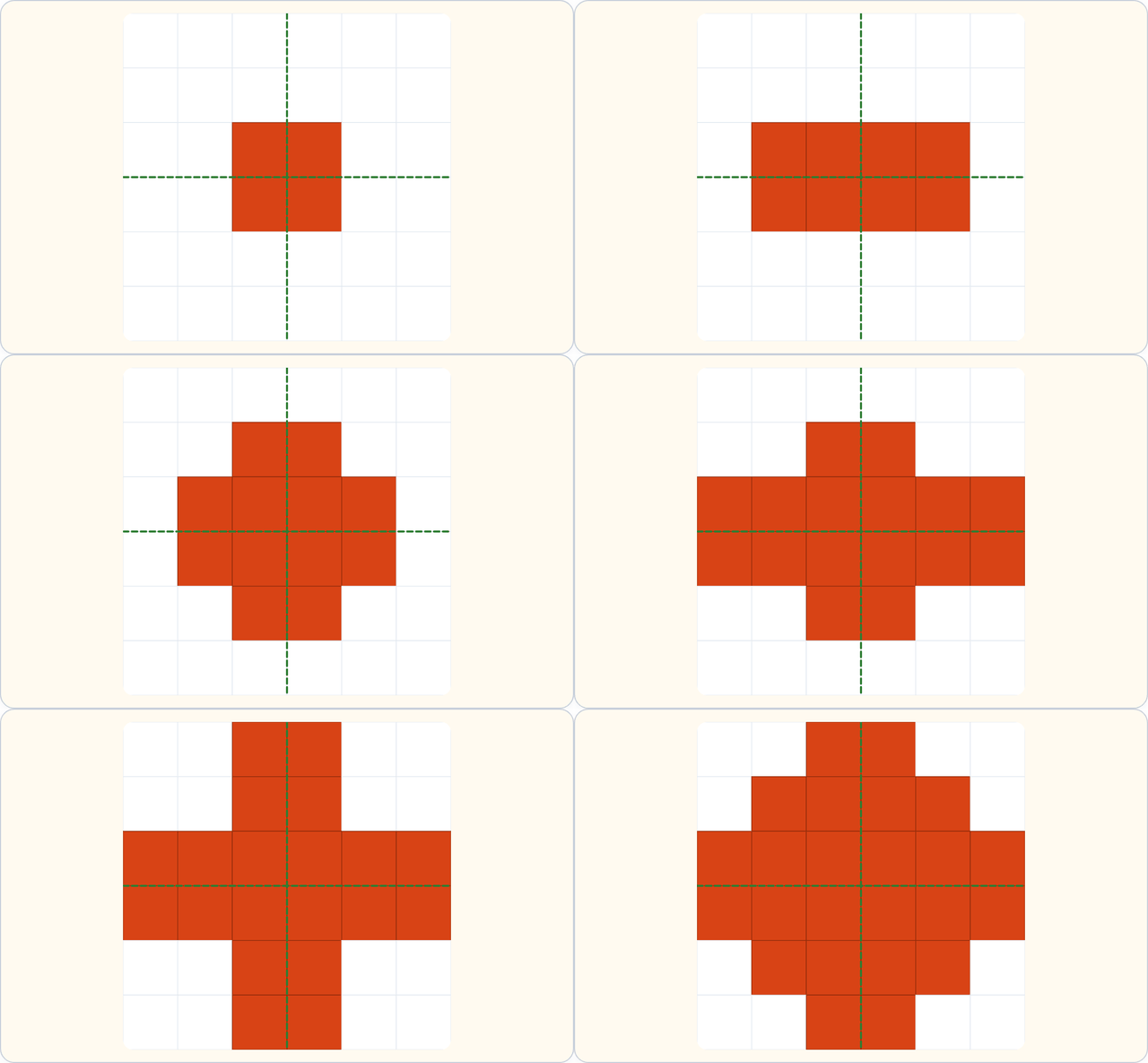
Find lines of symmetry and model reflections, turns, slides and tessellations; give and follow directions and read simple grid references, all concrete and visual.
Pose questions and collect, display and read data with tallies, pictograms and bar charts and the mode; describe and test the likelihood of events.
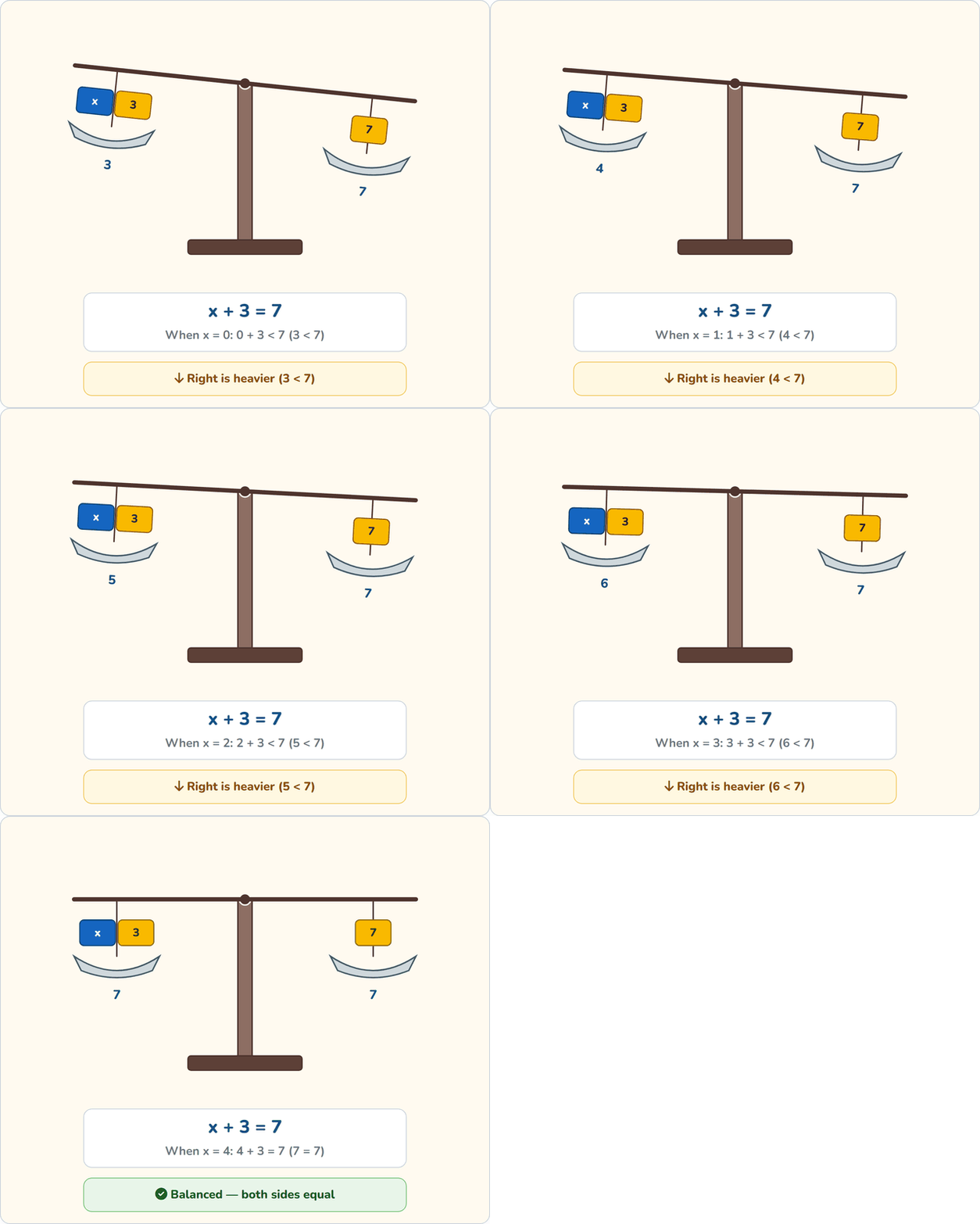
Find and use the rule behind number and shape patterns, read and solve number sentences with a missing value, and close the year with a cross-strand review.
Build place value across the hundreds. Pupils read, write, partition, compare, order, round and estimate whole numbers to 1,000, with a first look beyond.
Introduce flexible mental strategies and secure written methods for the four operations with small numbers, and the links between them.
Name, compare and find fractions of quantities, meet equivalence as a first look, and meet tenths as the first decimals with a gentle first touch of hundredths.
Estimate and measure length, weight and capacity with the right instrument and unit, and take a first look at renaming metric units.
Find perimeter by adding the sides, area by counting square units, and volume by counting unit cubes, all by counting with a first gentle link to multiplication.
Tell the time to 5-minute intervals across analog and digital, work with units of time and the calendar, and calculate with euro and cent in everyday money contexts.
Name and sort 2D and 3D shapes by their properties, name the parts of a circle, and recognise and compare angles as amounts of turn, all concrete and introductory with no degrees or protractor.
Find lines of symmetry and model reflections, turns, slides and tessellations; give and follow directions and read simple grid references, all concrete and visual.
Pose questions and collect, display and read data with tallies, pictograms and bar charts and the mode; describe and test the likelihood of events.
Find and use the rule behind number and shape patterns, read and solve number sentences with a missing value, and close the year with a cross-strand review.
See exactly how this course maps to official curriculum specifications
The curriculum does not include official reference codes for individual learning outcomes, so we have assigned a code scheme to make it easier to identify and track coverage.
Equipment used in some of the lessons in this course. Items can be shared among students.
Get in touch to discuss pricing and ordering for your school.