A complete year of Maths, delivered by teacher-led interactive-whiteboard lessons, a printed pupil Activity Book, and a Teacher Resource Book, built to the NCCA Primary Mathematics Curriculum.
Click any lesson with to preview it
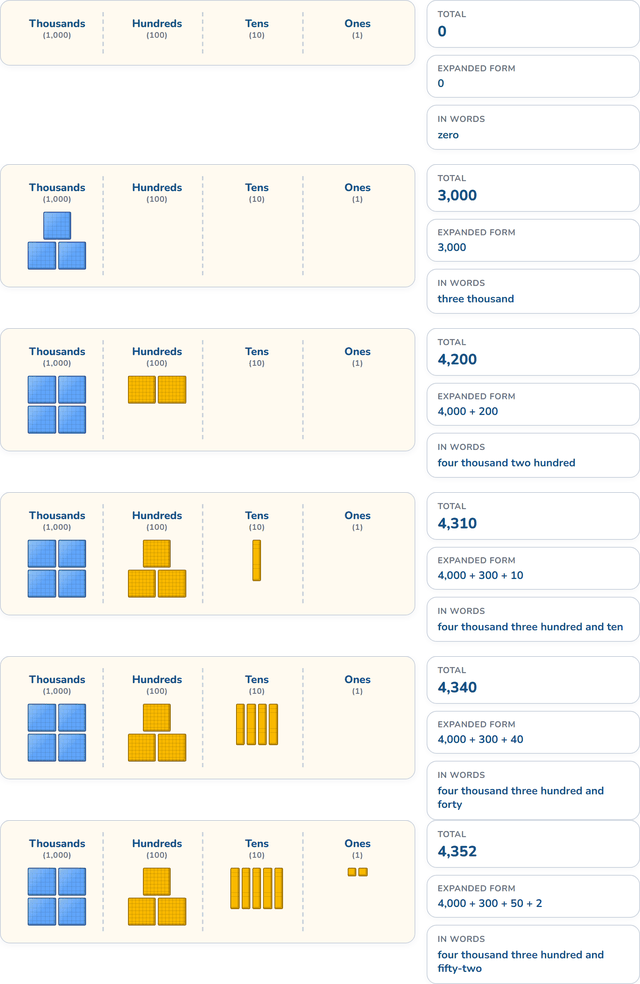
Extends the base-ten system from whole numbers to decimals to thousandths; builds fluency in reading, writing, partitioning and comparing decimals; introduces percentages and negative numbers.
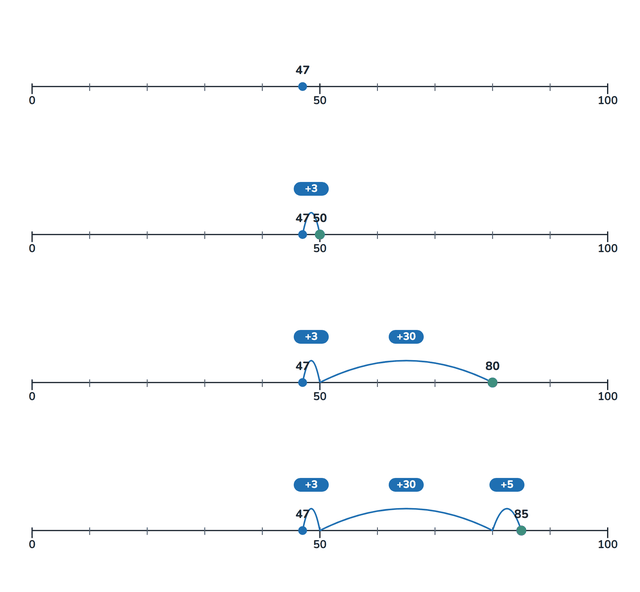
Extends the four operations to multi-digit whole numbers and decimals; builds operation flexibility; introduces factors, multiples and prime / composite numbers.
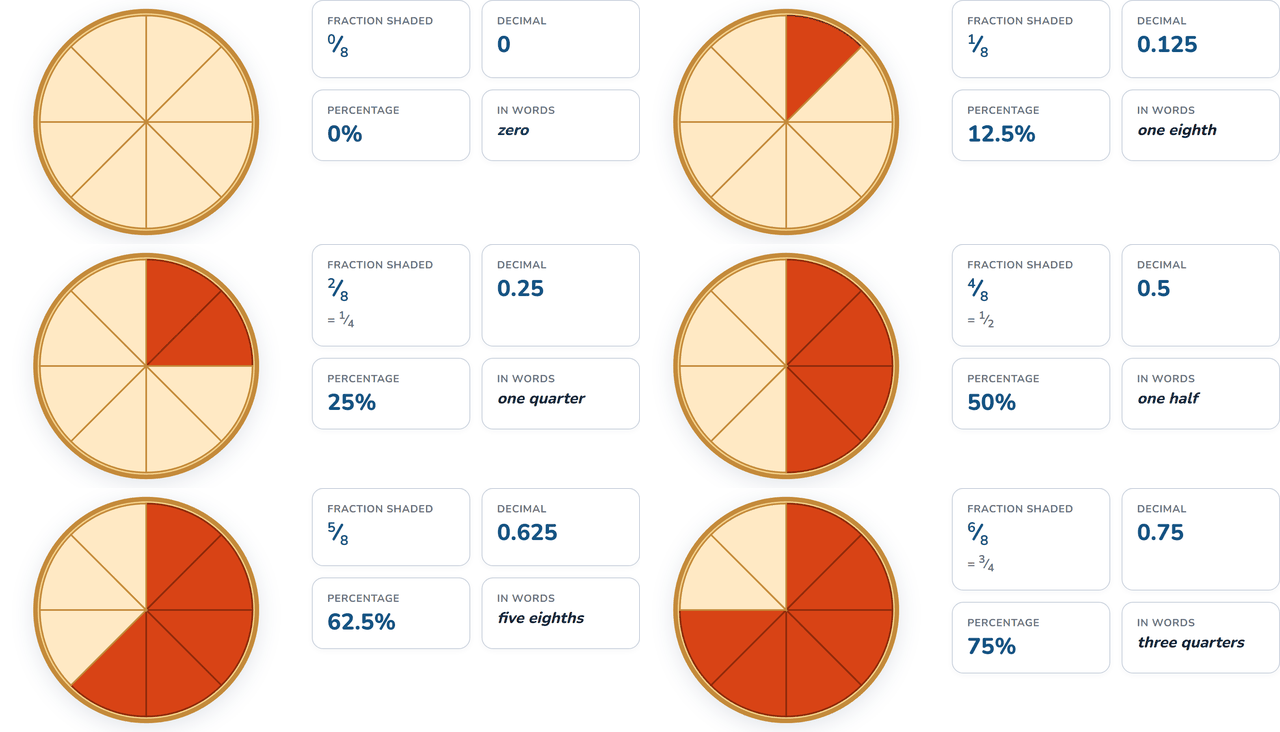
Builds flexible movement between fractions, decimals and percentages; introduces ratio and proportion.
Moves from whole-number measures to fractional and decimal measures; develops estimation; introduces area of triangles and composite shapes and volume of cuboids.
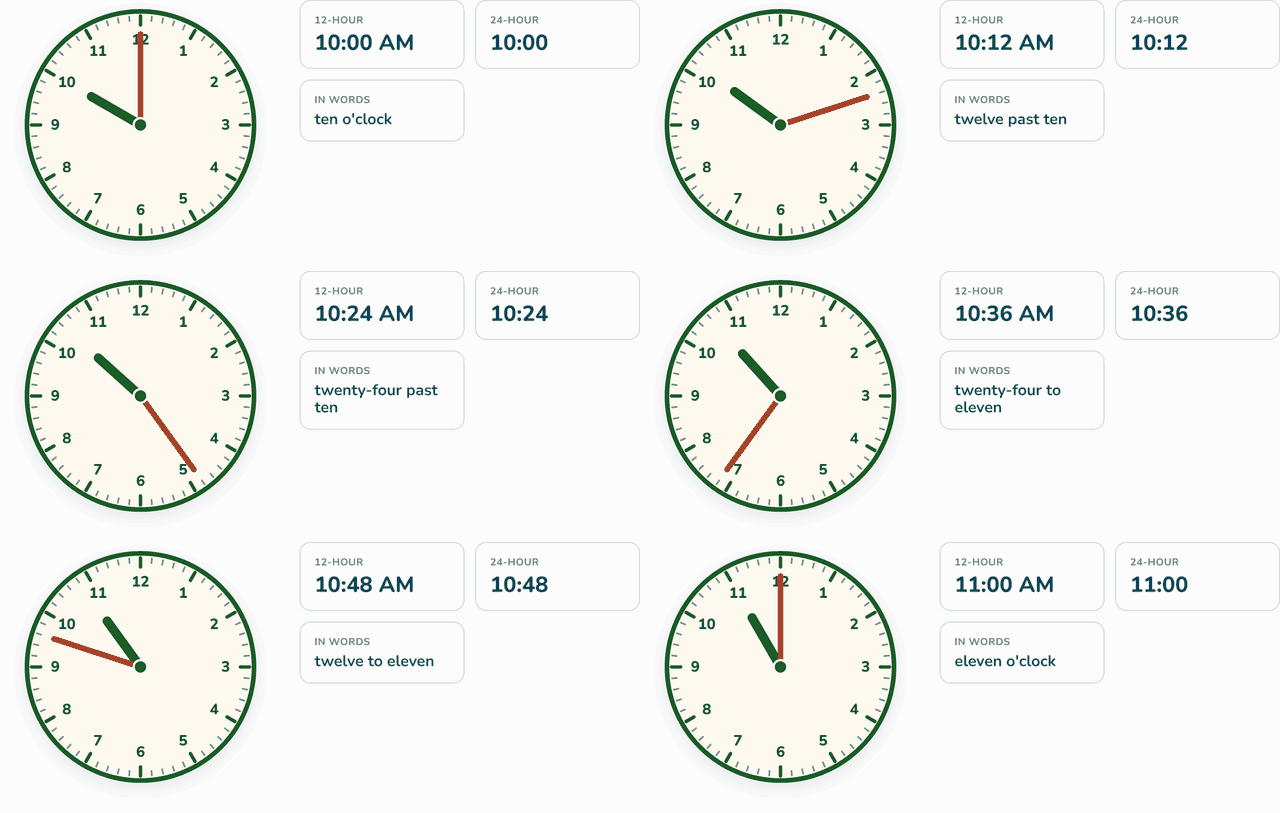
Reads, writes and reasons about time across 12-hour and 24-hour formats and elapsed-time problems; budgets and reasons about transactions.
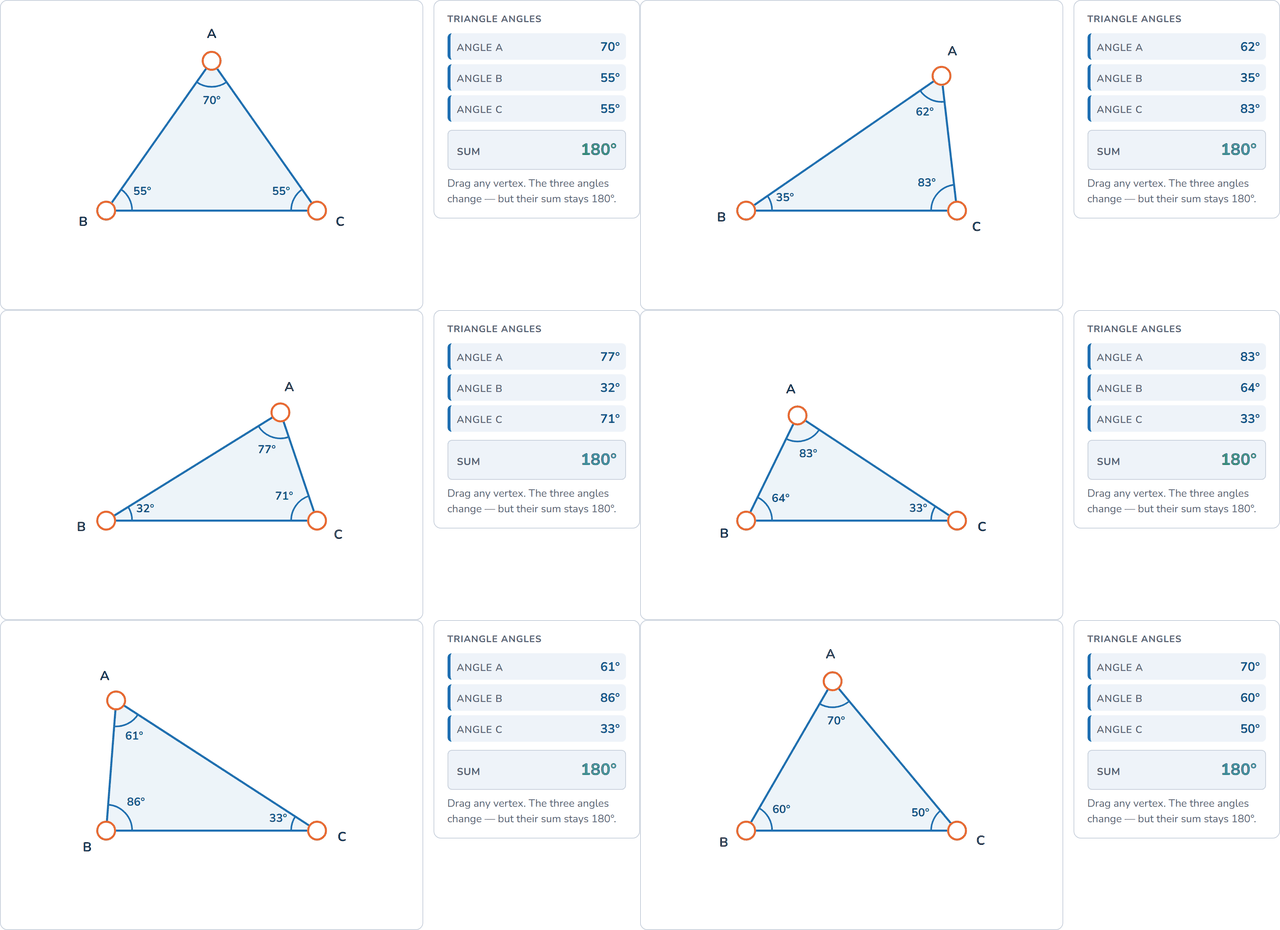
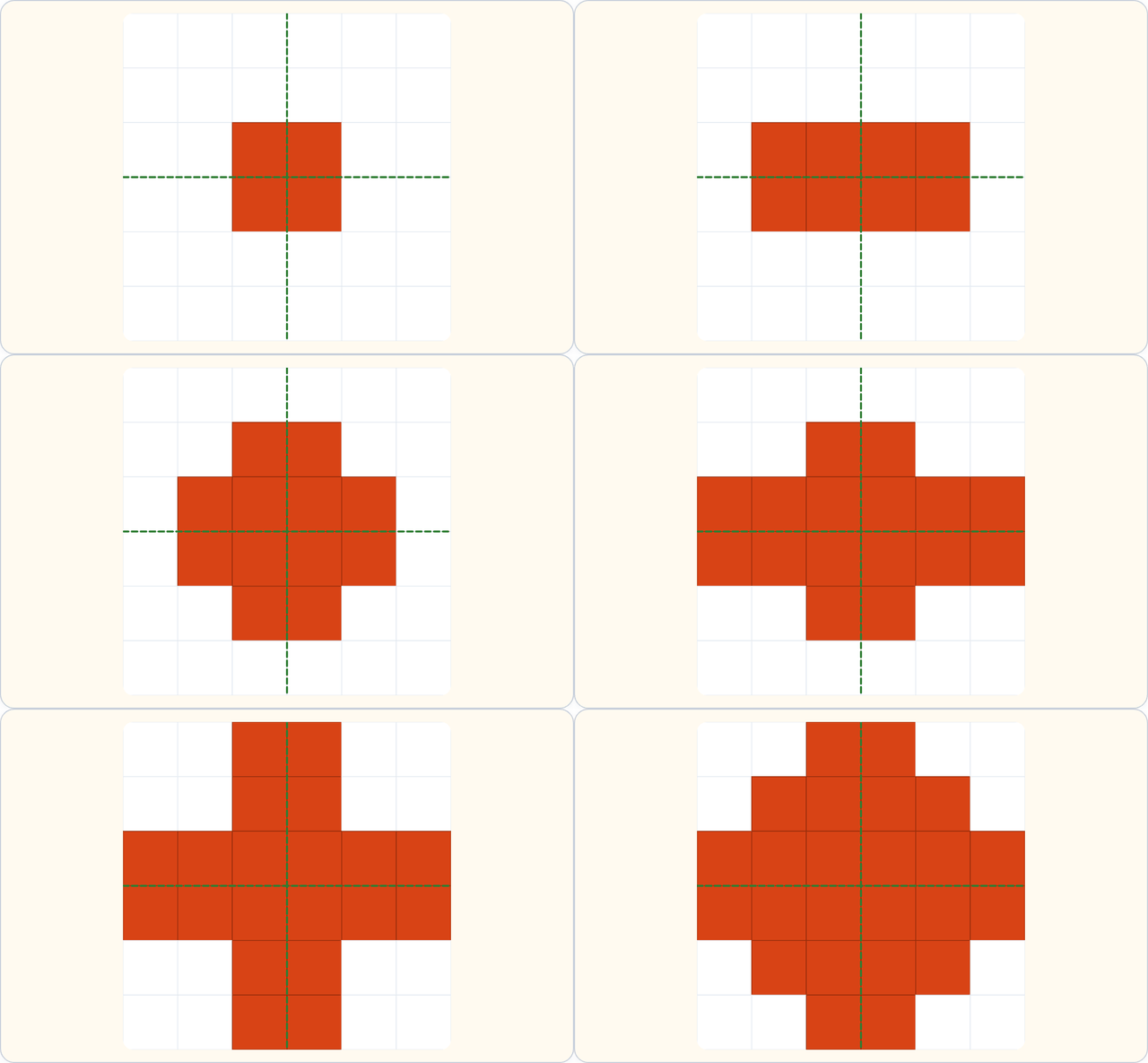
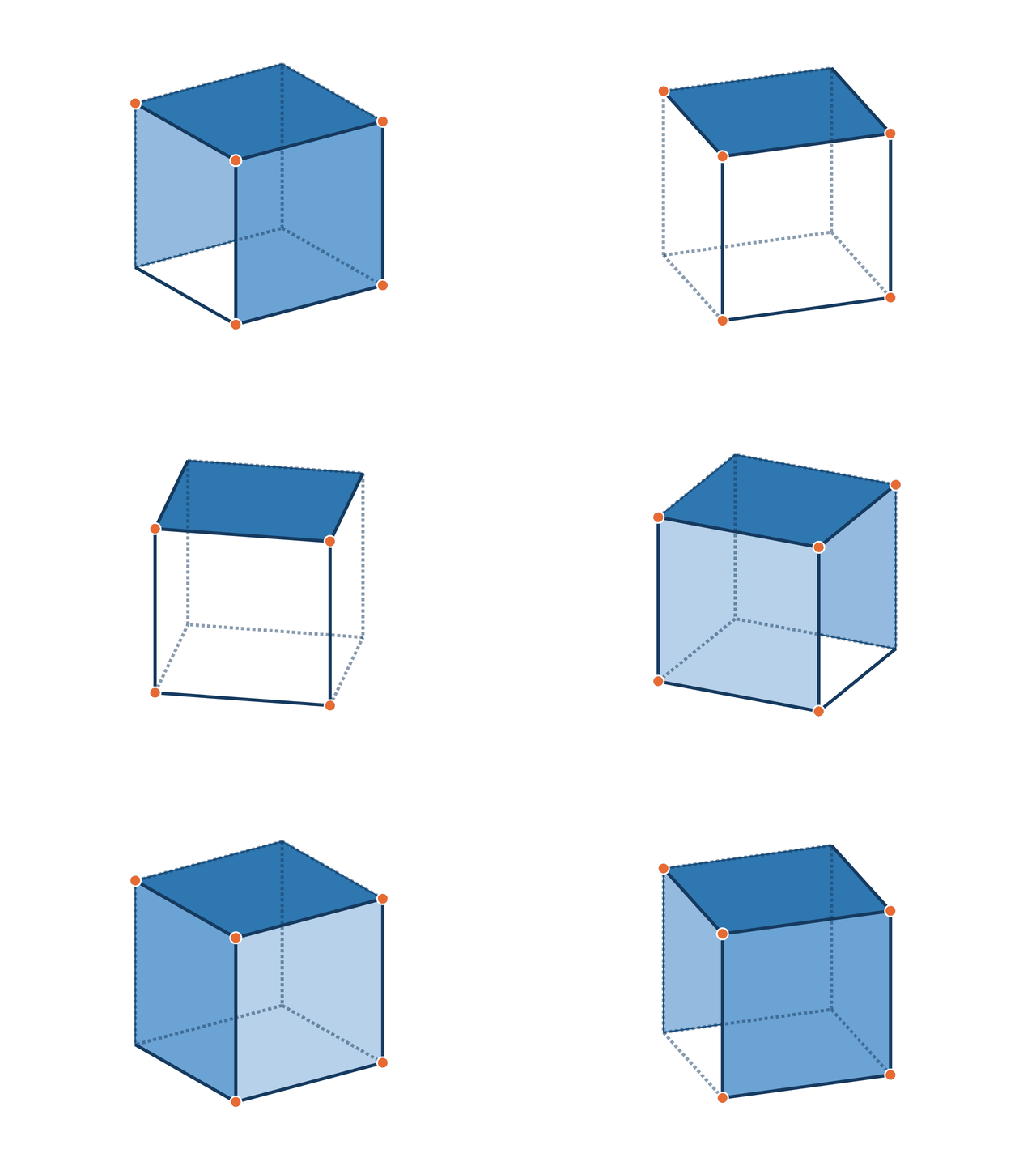
Investigates properties of 2D and 3D shapes; introduces angles, angle sums, circles, compass-and-ruler construction, symmetry, transformations and tessellation.
Poses questions; collects, organises and represents data; reasons about chance; introduces scale drawings and the four-quadrant co-ordinate plane.
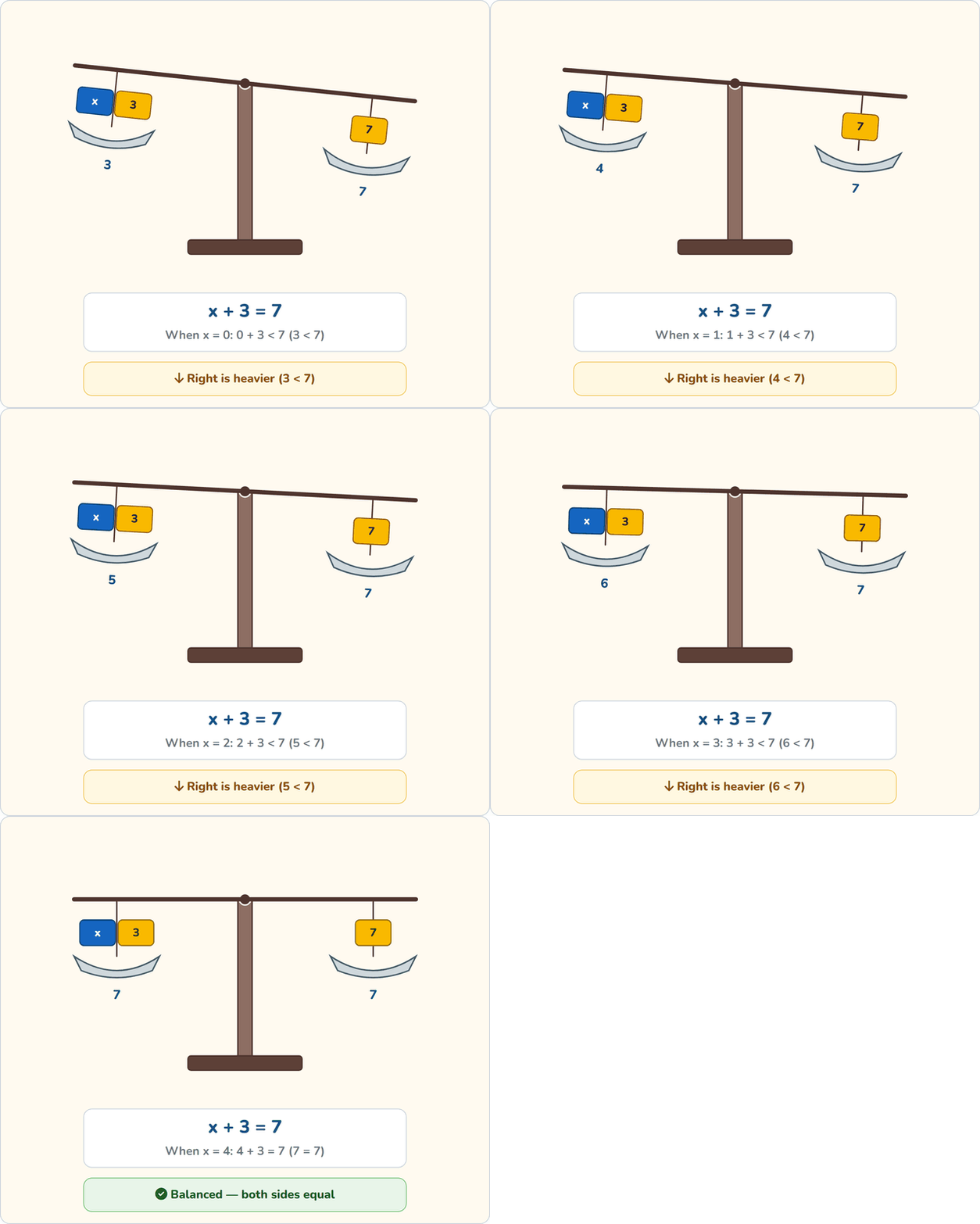
Identifies rules in patterns and expresses them in words, diagrams and letter-symbols; introduces equations and the balance model.
Caps the year with open-ended modeling tasks, a five-strand recap, a portfolio review and a class maths fair.
Extends the base-ten system from whole numbers to decimals to thousandths; builds fluency in reading, writing, partitioning and comparing decimals; introduces percentages and negative numbers.
Extends the four operations to multi-digit whole numbers and decimals; builds operation flexibility; introduces factors, multiples and prime / composite numbers.
Builds flexible movement between fractions, decimals and percentages; introduces ratio and proportion.
Moves from whole-number measures to fractional and decimal measures; develops estimation; introduces area of triangles and composite shapes and volume of cuboids.
Reads, writes and reasons about time across 12-hour and 24-hour formats and elapsed-time problems; budgets and reasons about transactions.
Investigates properties of 2D and 3D shapes; introduces angles, angle sums, circles, compass-and-ruler construction, symmetry, transformations and tessellation.
Poses questions; collects, organises and represents data; reasons about chance; introduces scale drawings and the four-quadrant co-ordinate plane.
Identifies rules in patterns and expresses them in words, diagrams and letter-symbols; introduces equations and the balance model.
Caps the year with open-ended modeling tasks, a five-strand recap, a portfolio review and a class maths fair.
See exactly how this course maps to official curriculum specifications
The curriculum does not include official reference codes for individual learning outcomes, so we have assigned a code scheme to make it easier to identify and track coverage.
Equipment used in some of the lessons in this course. Items can be shared among students.
Get in touch to discuss pricing and ordering for your school.